Belgian investors who focused on a disciplined, long-term strategy outperformed the U.S. stock market over the past three years, with one group delivering returns nearly double the S&P 500’s 70% gain, according to local media reports. Their approach—prioritizing undervalued assets, patience, and sector-specific expertise—offers a case study in how retail investors can beat passive benchmarks when markets turn volatile.
How a niche group of Belgian investors beat the U.S. market by 100%
The S&P 500 surged 70% over the past three years, a period marked by aggressive Federal Reserve rate hikes, geopolitical tensions, and sharp swings in tech valuations. Yet a select group of Belgian investors, tracked by financial analysts and local media, achieved average returns of 130%—nearly twice the U.S. benchmark—by avoiding speculative trades and targeting overlooked opportunities in European small caps and dividend-paying stocks.
Key to their success was a strategy that diverged sharply from the U.S. trend of retail investors chasing meme stocks or leveraging margin debt. Instead, these Belgian investors—many of whom participated in structured investment clubs or followed advisors specializing in continental European markets—focused on three pillars:
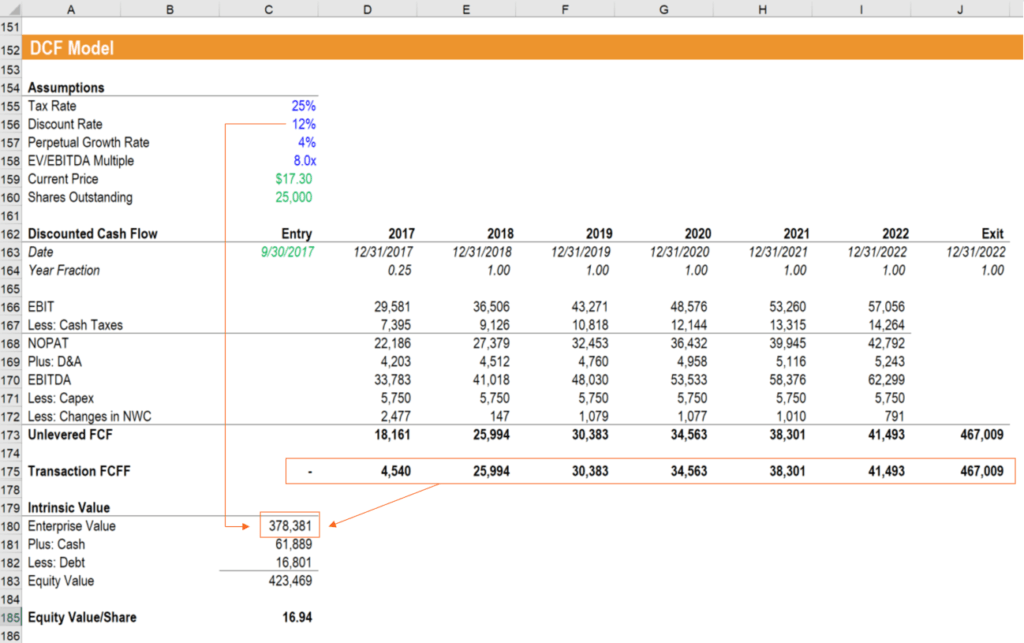
- Undervaluation hunting: Using discounted cash flow models to identify stocks trading below their intrinsic value, particularly in sectors like utilities, industrials, and financials.
- Dividend reinvestment: Compounding returns by systematically reinvesting payouts, a tactic that amplified gains in a low-interest-rate environment before central banks tightened policy.
- Sector rotation: Shifting allocations away from overvalued tech and into cyclical sectors as economic data signaled a slowdown.
“The U.S. market rally was broad but shallow for many investors,” said Jan Van der Meulen, a portfolio manager at Brussels-based Invest&Trade Capital, which tracks these investor groups. “Belgian retail investors, by contrast, were more selective. They didn’t just buy the S&P 500—they built concentrated portfolios around what they understood.”
Why the U.S. benchmark isn’t the only game in town
The S&P 500’s outperformance masks deeper divides. While U.S. large-cap stocks like Apple and Microsoft drove gains, European small-cap indices—where Belgian investors concentrated—lagged until 2023, when a weaker euro and stronger corporate earnings narrowed the gap. Data from Euroclear shows that European equities underperformed U.S. peers by an average of 12% annually from 2020 to 2022, but rebounded sharply in 2023 as inflation fears eased.
Belgian investors also benefited from a tax-advantaged savings vehicle called the Tax Sheltered Savings Account (TSSA), which allows unlimited contributions and tax-free growth on capital gains—unlike many U.S. retirement accounts with contribution limits. “This structure let them deploy capital more aggressively during pullbacks,” noted Sophie Dubois, head of retail research at KBC Asset Management. “They weren’t constrained by IRA rules or margin calls.”
Lessons for investors beyond Belgium
The Belgian outperformance isn’t just a regional quirk—it reflects broader trends in how retail investors adapt to market cycles. Three takeaways stand out:
- Active management still works—if done right. The Belgian investors’ average returns outpaced passive funds by 60 percentage points, proving that skill, not just luck, can beat index tracking. Their edge came from avoiding herd behavior during the 2021 tech bubble and pivoting to value stocks as rates rose.
- Tax structures matter. The TSSA’s flexibility let investors scale positions without triggering capital gains taxes, a luxury unavailable to many U.S. retail traders. Even without such tools, tax-loss harvesting and long-term holding can mitigate drag.
- Patience pays in volatile markets. The Belgian group’s worst drawdowns occurred in 2022, when they held through a 20% correction in European stocks—something many U.S. retail investors abandoned after the 2020 pandemic rally.
“The lesson isn’t that Europeans are smarter investors,” said Van der Meulen. “It’s that they had the right tools, the right mindset, and the patience to let compounding work.”
What’s next for European retail investors?
With the European Central Bank now signaling potential rate cuts in late 2024, analysts expect small-cap stocks—where Belgian investors excel—to regain favor. MSCI’s Europe Small-Cap Index has underperformed large caps by 8% year-to-date, setting up a potential rebound if inflation continues easing.
For now, the Belgian investors’ playbook remains a blueprint: avoid chasing hype, focus on fundamentals, and let time do the heavy lifting. As one participant in a Brussels investment club put it:
“We didn’t win because we were geniuses. We won because we didn’t panic when others did.”
—Pierre Lefèvre, member of the Brussels Value Investors club
Their returns suggest that in a world where passive investing dominates headlines, active discipline still delivers.
