
How the Food Industry Shapes Children’s Eating Habits: A Deeper Look
When parents grapple with their children’s reluctance to try new foods, the conversation often turns to the role of the food industry. From the design of packaged snacks to the marketing strategies targeting young consumers, the commercial food system plays a significant part in shaping what children eat—and what they refuse. While the issue is complex, understanding the mechanisms at play can help families make informed choices and advocate for healthier practices.
The Role of Marketing in Fostering Picky Eating
One of the most visible ways the food industry influences children’s eating habits is through targeted marketing. Advertisements for sugary cereals, candy, and fast food are designed to appeal to young audiences, often using cartoon characters, catchy jingles, and bright colors to capture attention. These strategies can create strong brand associations, making it harder for children to accept less “exciting” foods like vegetables or whole grains.
According to a 2023 report by the Center for Science in the Public Interest (CSPI), children aged 2–11 are exposed to an average of 10 food-related ads per day, many of which promote high-sugar, high-fat products. Such exposure can normalize these foods as the default, leading to long-term dietary preferences that favor processed items over nutrient-dense options.
“Marketing isn’t just about selling products—it’s about shaping behavior,” says Dr. Emily Carter, a nutrition researcher at the University of California, Berkeley. “When kids see the same characters and slogans repeatedly, they start to associate those foods with fun, comfort, and reward.”
Product Design and the Reinforcement of Preferences
Food manufacturers also influence eating habits through product design. Snacks are often engineered to be “mouth-pleasing,” with textures and flavors that trigger dopamine release, making them more addictive. For example, the crunch of a chip or the sweetness of a gummy bear can create a sensory experience that overshadows the taste of less processed foods.
This approach is not accidental. Companies invest heavily in research to determine what combinations of salt, sugar, and fat are most appealing to consumers. A 2022 study published in the journal Appetite found that children who regularly consumed highly processed snacks were more likely to reject unfamiliar foods, a behavior linked to “neophobia” or fear of new tastes.
“The food industry has mastered the art of making unhealthy choices feel irresistible,” explains nutritionist Michael Torres. “By tweaking ingredients to hit the ‘bliss point,’ they ensure that kids keep coming back for more, even if it means avoiding healthier alternatives.”
The Impact of Convenience and Accessibility
Convenience is another factor that contributes to picky eating. Pre-packaged meals, frozen pizzas, and ready-to-eat snacks are designed for ease of access, often at the expense of nutritional value. Parents, juggling busy schedules, may rely on these options, inadvertently reinforcing a cycle of limited dietary variety.

Moreover, the availability of these products in schools, vending machines, and even family gatherings can normalize them as the default choice. A 2024 survey by the National Parent Teacher Association (PTA) revealed that 68% of parents felt “overwhelmed” by the effort required to prepare balanced meals, leading to a reliance on pre-made options.
“It’s not just about what kids want—it’s about what’s easiest for families to provide,” says Sarah Lin, a parent and advocate for healthy eating. “When the grocery store shelves are filled with processed foods, it’s easy to fall into the trap of convenience over quality.”
How to Navigate the Challenges
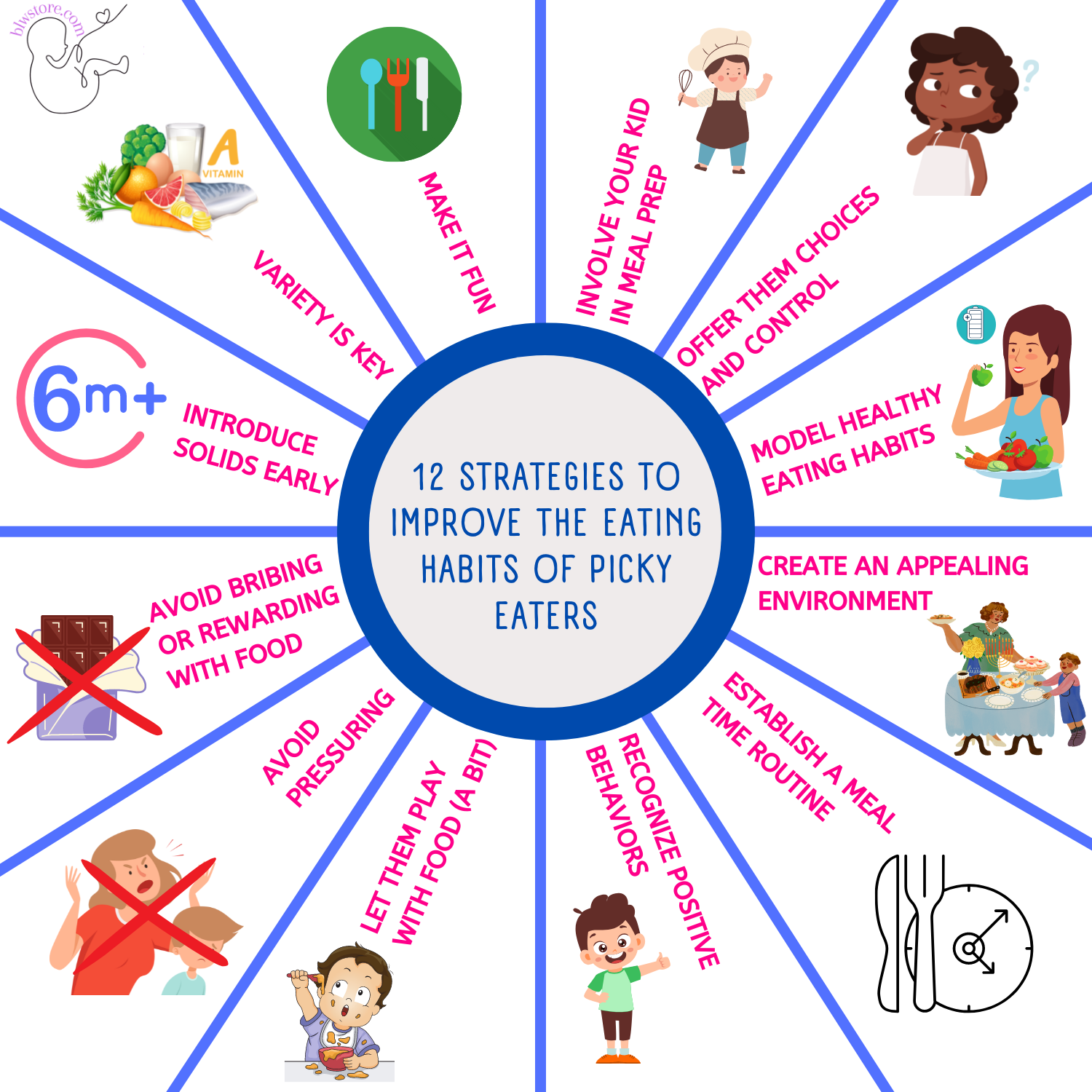
While the food industry’s influence is significant, parents and caregivers can take steps to mitigate its impact. Introducing a wide range of foods early in a child’s life, involving them in meal
