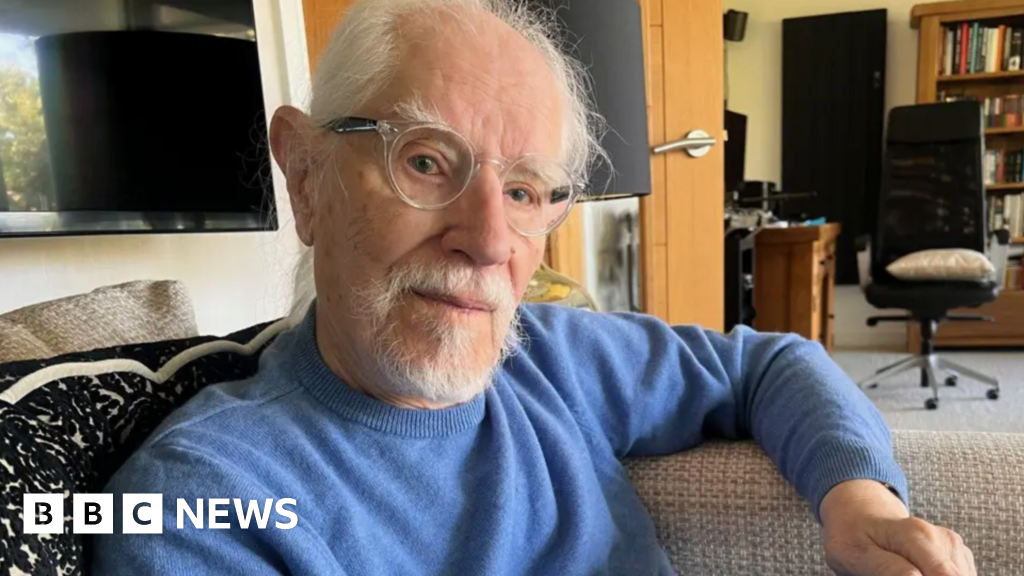
How a sick boy in Kings Norton inspired Thomas the Tank Engine – BBC
The creation of Thomas the Tank Engine began as a series of bedtime stories told by the Rev. W. Awdry to his son, Christopher, who was ill while living in Kings Norton, Birmingham. According to historical records, these improvised tales about anthropomorphic trains were designed to comfort the child and eventually evolved into The Railway Series, which grew into a global media franchise.
How did a sick child in Kings Norton influence the creation of Thomas the Tank Engine?
The origins of the world’s most famous locomotives are rooted in a domestic crisis in Kings Norton. During the 1940s, Christopher Awdry suffered from a period of prolonged illness that confined him to his bed. To distract his son from the discomfort of his condition and the isolation of his recovery, the Rev. W. Awdry began inventing stories about trains with distinct personalities, flaws, and moral lessons. These stories were not initially intended for publication but served as a therapeutic tool for a sick child.
The environment of Kings Norton played a critical role in this creative process. As a significant railway junction in Birmingham, the area was saturated with the sounds, smells, and sights of steam engines. Awdry utilized these local observations to ground his fantasy stories in a tangible reality. He didn’t just describe trains; he described the specific mechanics and operational frustrations of the railway, which provided a sense of order and predictability for Christopher during a time of physical instability.
The interaction between father and son was collaborative. Christopher often questioned the logic of the stories, prompting the Rev. W. Awdry to refine the “rules” of the Island of Sodor. This feedback loop ensured that the narratives remained engaging and logically consistent, laying the groundwork for a series that would appeal to children’s innate desire for structure and causality.
“The stories were born out of a need to cheer up a sick boy, transforming a bedroom in Kings Norton into a gateway to a fictional railway world.”
What role did the Rev. W. Awdry play in the series’ development?
The Rev. W. Awdry was more than a father telling stories; he was a dedicated railway enthusiast with a deep knowledge of locomotive engineering. This expertise is what separated The Railway Series from other children’s books of the era. Awdry insisted that every story be based on a “real” railway incident, even if the characters were fictional. He believed that children deserved accuracy, and he spent years researching railway mishaps and operational procedures to ensure the plots were plausible.
Awdry’s approach to the characters was rooted in a desire to teach morality and the value of hard work. Thomas, Percy, and Gordon were not merely cute animals or objects; they were reflections of human archetypes. Thomas represented the ambitious but occasionally overconfident youth, while Gordon embodied the arrogant established order. By framing these human traits within the rigid hierarchy of a railway, Awdry could explore themes of humility, cooperation, and the consequences of vanity.
The transition from oral storytelling to written manuscripts occurred as Awdry realized the stories had a broader appeal. He began documenting the tales he told Christopher, eventually leading to the publication of the first book in 1945. His commitment to realism remained a hallmark of the series; he famously clashed with illustrators who attempted to make the engines look too “cartoony,” insisting they adhere to the actual proportions of the locomotives they were based on.
Key elements of Awdry’s narrative philosophy
- Technical Accuracy: Every engine’s behavior was tied to its actual mechanical capabilities.
- Moral Consequences: Characters who were “cheeky” or “proud” invariably faced a logical consequence, such as getting stuck in a snowdrift.
- The Hierarchy of Work: The stories emphasized the importance of “being a really useful engine,” mirroring the industrial values of mid-century Britain.
How did the geography of Kings Norton shape the Island of Sodor?
While the Island of Sodor is a fictional location off the coast of England, its DNA is inextricably linked to the railway landscape of the West Midlands. The Rev. W. Awdry drew heavily from the operational complexities he witnessed in Kings Norton and the wider British rail network. The concept of a “branch line”—a smaller line branching off a main trunk—is central to the stories and was a common feature of the regional rail infrastructure at the time.
The juxtaposition of the “big engines” on the main line and the “small engines” on the branch lines mirrored the social and industrial stratification of the 1940s. In Kings Norton, the contrast between massive freight trains and smaller local shuttles was a daily occurrence. This visual and auditory contrast became the primary source of conflict in the books, as the larger engines looked down upon the smaller ones, only to be saved by them in times of crisis.
| Sodor Element | Real-World Inspiration | Narrative Purpose |
|---|---|---|
| Branch Lines | Regional UK Rail Networks | Creates a sense of community and local identity. |
| The Fat Controller | Railway Station Masters/Managers | Represents authority, discipline, and order. |
| Engine Personalities | Industrial worker archetypes | Explores human ego and social cooperation. |
| Railway Mishaps | Actual historical rail accidents | Provides a basis for moral lessons and plot tension. |
The Island of Sodor acted as a sanctuary. For a child trapped in a bedroom in Kings Norton, the idea of an island where engines had voices and feelings provided an escape from the limitations of illness. This “safe space” allowed Christopher to explore the world through his father’s stories, turning the confinement of sickness into a journey of imagination.
Why does the origin of Thomas the Tank Engine matter today?
The story of a sick boy in Kings Norton inspiring Thomas the Tank Engine is more than a piece of trivia; it illustrates the power of storytelling as a coping mechanism. The series’ longevity can be attributed to the fact that it was not created by a marketing committee, but by a father attempting to soothe his child. This emotional core gives the original stories a sincerity that resonated across generations.
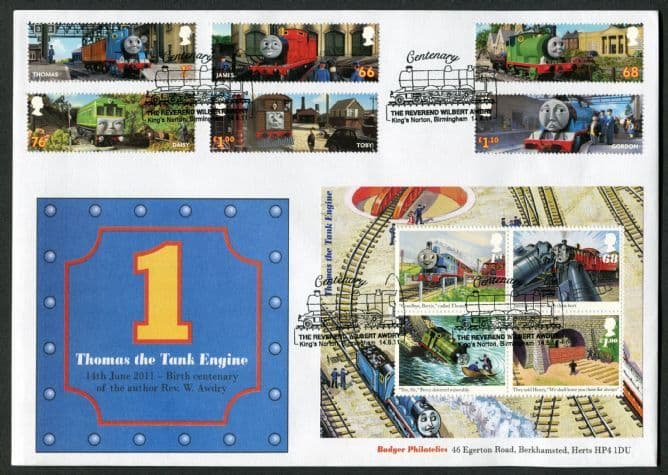
Furthermore, the series serves as a historical archive of the steam era. Because the Rev. W. Awdry was obsessed with accuracy, the books preserve the atmosphere, terminology, and operational logic of the British railways before the massive shift to diesel and electric power. For many children, these stories were their first introduction to the concept of industrial history.
The evolution of the brand from a series of books to a global television phenomenon also highlights a shift in children’s media. The original Railway Series focused on narrative arcs and moral complexity. The later television adaptations, while successful, shifted toward simpler, more repetitive structures aimed at a younger preschool audience. Understanding the Kings Norton origins allows readers to appreciate the original, more complex literary intent of the series.
Related explainer on the history of British steam locomotives may provide further context on the machines that inspired Awdry.
Common misconceptions about the creation of the series
There are several prevailing myths regarding the origins of Thomas the Tank Engine that often obscure the factual history of the Kings Norton period.
Myth: Thomas was created as a commercial product
Contrary to the modern perception of the brand as a toy-selling machine, Thomas was born from a purely personal need. The Rev. W. Awdry did not seek a commercial market; he sought to entertain his son. The commercialization occurred decades later, long after the core characters and their world had been established through the father-son bond.
Myth: The stories are purely whimsical fantasies
While the engines talk, the plots are rarely “magical.” Awdry avoided fantasy elements, preferring “industrial realism.” If an engine crashed, it was because of a signal failure, a blocked line, or a character’s negligence—not because of magic. This commitment to realism was a direct result of Awdry’s desire to give his son a world that felt real and logical.
Myth: The Island of Sodor is based on one specific place
While Kings Norton provided the atmospheric inspiration, Sodor is a composite of various British landscapes and railway experiences. Awdry drew from his travels and his reading of railway journals, combining these with his local observations to create a fictional geography that felt authentic to any rail enthusiast in the UK.
The trajectory from bedside stories to global franchise
The path from a bedroom in Birmingham to international fame followed a specific progression. After the stories were told to Christopher, they were written down, illustrated, and published as The Railway Series. These books gained a cult following among children and railway enthusiasts alike due to their unique blend of technical detail and character-driven storytelling.
The 1980s marked a turning point with the launch of the television series. This adaptation introduced a wider audience to the characters but also began the process of simplifying the narratives. The transition from the printed page to the screen required a change in pacing and tone, moving away from the Rev. W. Awdry’s original, more detailed prose toward a format suitable for shorter episodes.
Despite these changes, the core themes established in Kings Norton—the value of being “useful,” the dangers of pride, and the importance of friendship—remained central. The global success of the franchise is a testament to the universal nature of these themes, which were first articulated to a single sick boy in the West Midlands.
Timeline of the Thomas Legacy
- 1940s: Rev. W. Awdry tells stories to his ill son, Christopher, in Kings Norton.
- 1945: Publication of the first book in The Railway Series.
- 1945–1972: Rev. W. Awdry writes the bulk of the original series, emphasizing railway realism.
- 1973–1980s: Christopher Awdry takes over the series, continuing his father’s legacy.
- 1984: The television series debuts, propelling the characters to global fame.
- Present: The franchise continues through various reboots and digital adaptations.
Frequently Asked Questions
Who was the sick boy that inspired Thomas the Tank Engine?
The sick boy was Christopher Awdry, the son of the Rev. W. Awdry. While living in Kings Norton, Birmingham, Christopher suffered from an illness that left him bedridden, prompting his father to create stories about talking trains to keep him entertained.

Where exactly in Birmingham did this happen?
The stories were conceived in Kings Norton, a suburb of Birmingham known for its railway history and its role as a significant junction. The ambient noise and activity of the local trains heavily influenced the setting and plot of the stories.
Did the Rev. W. Awdry use real trains as models?
Yes. According to historical accounts of the series, the Rev. W. Awdry insisted on technical accuracy. He based the characters on real locomotive classes and ensured that the operational logic of the Island of Sodor mirrored actual British railway practices of the time.
What is the difference between The Railway Series and the TV show?
The Railway Series refers to the original books written by the Awdrys, which are characterized by more complex plots and a focus on technical realism. The TV show is a simplified adaptation designed for a younger audience, focusing more on short-form lessons and visual appeal.
Why is the phrase “really useful engine” so important?
The phrase reflects the industrial ethos of the mid-20th century. In the context of the stories, being “useful” meant performing one’s duty reliably and without complaint, serving as a moral lesson for children about the value of hard work and responsibility.
The legacy of the stories told in Kings Norton persists not just in toys and television, but in the enduring appeal of a world where order, duty, and kindness are the primary drivers of progress. What began as a father’s attempt to comfort his son became a blueprint for children’s literature worldwide.
