
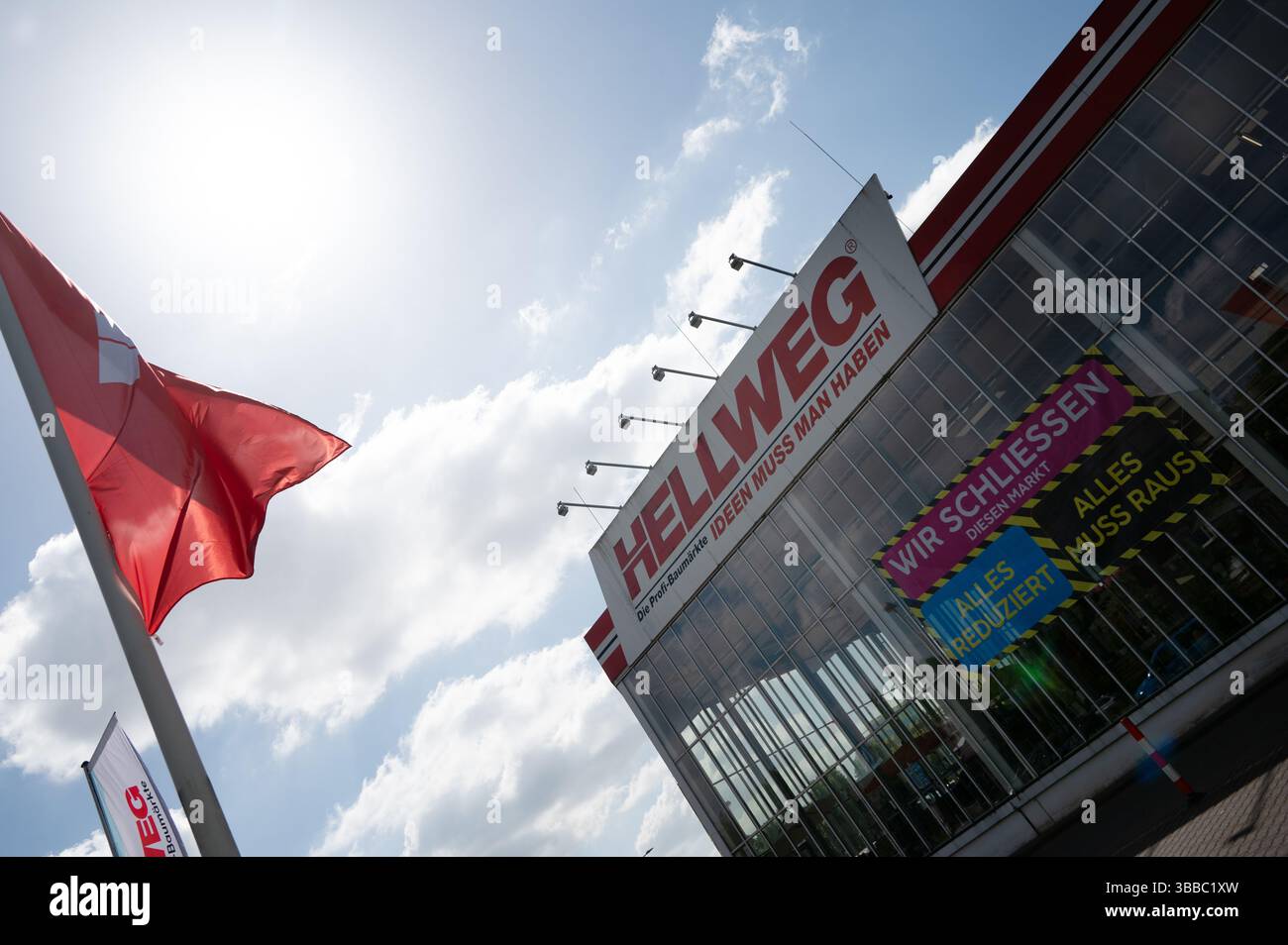
Hellweg, Germany’s third-largest DIY chain, has filed for insolvency under self-administration, triggering job cuts for 2,900 employees and the closure of 68 stores nationwide. The move marks the latest collapse in Europe’s struggling retail hardware sector, where rising costs and shifting consumer habits have pushed multiple chains into distress this year.
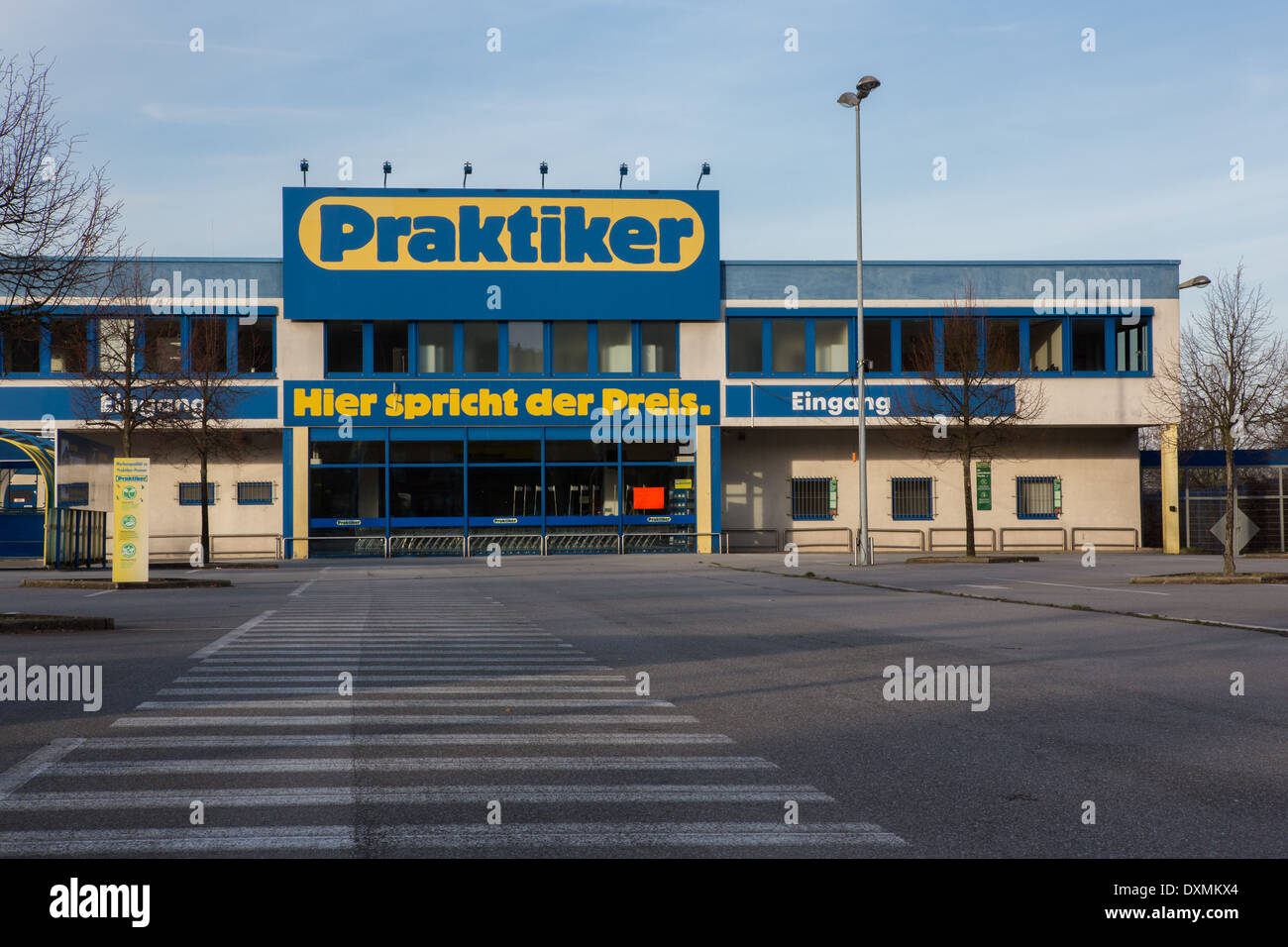
According to company statements and local media reports, Hellweg’s insolvency filing—announced Friday—comes as the chain struggles with mounting debt and shrinking margins. The retailer, which operates under the Hellweg and Praktiker brands, will continue trading during the insolvency process, allowing creditors to negotiate a restructuring plan. Analysts warn the case could accelerate consolidation in Germany’s €12 billion DIY market, where competitors like Hornbach and Obi have already expanded aggressively.
Why Hellweg’s Collapse Matters for Germany’s Retail Sector
The insolvency underscores the brutal cost pressures facing European retailers, where energy prices surged 30% last year and wage demands have eaten into already thin profit margins. Hellweg’s troubles follow similar struggles at rival chains: Bauhaus filed for insolvency in 2022, and Toom collapsed in 2020 after years of losses. Industry experts say Hellweg’s self-administration—where the company retains control while restructuring—may buy time, but success hinges on deep cost cuts and a turnaround in consumer spending.
“This is a classic case of a retailer that grew too fast and couldn’t adapt to the new reality of higher costs and changing shopping habits,” said a retail analyst at a major European bank, who requested anonymity. “The question now is whether the insolvency process can stabilize the business or if we’re heading toward a fire sale.”
Job Cuts and Store Closures: The Human Cost
Hellweg’s insolvency will directly affect 2,900 employees across 68 stores, with local unions already warning of broader regional economic fallout. The chain’s self-administration plan aims to preserve jobs where possible, but analysts expect further layoffs if restructuring fails. In comparison, Bauhaus’s 2022 collapse led to 1,500 job losses and the closure of 30 stores—a precedent that has left workers and small-town communities wary.
“For many of these employees, Hellweg was their only local employer,” said a spokesperson for the German Trade Union Federation (ver.di). “We’re urging creditors to prioritize job retention over short-term financial gains.” Hellweg’s stores, which employ around 80% of its workforce, will remain open during the insolvency process, but no timeline has been set for a final restructuring decision.
What Happens Next: Restructuring or Liquidation?
The insolvency process will unfold in three phases, according to legal filings. First, Hellweg’s management will propose a restructuring plan to creditors, including debt reduction and potential asset sales. If no agreement is reached within three months, the company could face liquidation. Key stakeholders—including private equity firms that have previously invested in the chain—are already evaluating their options, with sources suggesting a sale to a competitor like Hornbach or Obi remains the most likely outcome.
Industry observers note that Hellweg’s real estate portfolio, valued at over €500 million, could become a focal point for creditors. The chain’s 68 stores, many in prime suburban locations, have attracted interest from rival retailers looking to expand. However, the high debt load—estimated at €300 million—may limit buyers’ appetite, pushing some to focus only on select assets.
Broader Implications for Germany’s DIY Market
Hellweg’s insolvency comes as Germany’s DIY sector undergoes a period of intense consolidation. Competitors like Hornbach and Obi have been expanding rapidly, acquiring smaller chains and modernizing their store networks to attract cost-conscious consumers. Analysts say Hellweg’s collapse could accelerate this trend, with stronger players poised to snap up distressed assets at discounted prices.
“This is a wake-up call for the entire sector,” said a market researcher at a Frankfurt-based consulting firm. “The survivors will be those who can adapt to the new cost structure and offer value that justifies higher prices.” For consumers, the immediate impact may be limited—Hellweg’s market share of around 8% is small—but the ripple effects could include higher prices at remaining chains as they absorb Hellweg’s former customer base.
The insolvency filing does not immediately trigger a stock market reaction, as Hellweg is privately held. However, investors in related sectors—such as logistics and real estate—will be watching closely for signs of further distress in the retail hardware space.
