Heartseed Announces First Patient Dosed in a Phase I/II EMERALD Study with HS-005 – a Cell Therapy Administered via Catheter, Designed to Restore Heart Function in People with Severe Heart Failure Cardiomyocyte Spheroids of HS-005 are Manufacture – Nikon
Heartseed has administered the first dose of HS-005 to a patient as part of its Phase I/II EMERALD clinical trial, according to company announcements. This cell therapy utilizes cardiomyocyte spheroids manufactured using Nikon technology and is delivered via a catheter to restore heart function in individuals suffering from severe heart failure.
What is the EMERALD Study and the HS-005 Treatment?
The EMERALD study is a Phase I/II clinical trial designed to evaluate the safety and efficacy of HS-005, an investigational cell therapy. Heartseed developed HS-005 to address the critical needs of patients with severe heart failure, a condition where the heart muscle is too weak to pump enough blood to meet the body’s requirements. Unlike traditional medications that manage symptoms or slow the progression of the disease, HS-005 aims to physically restore lost heart function by replacing damaged tissue with new, functional heart muscle cells.
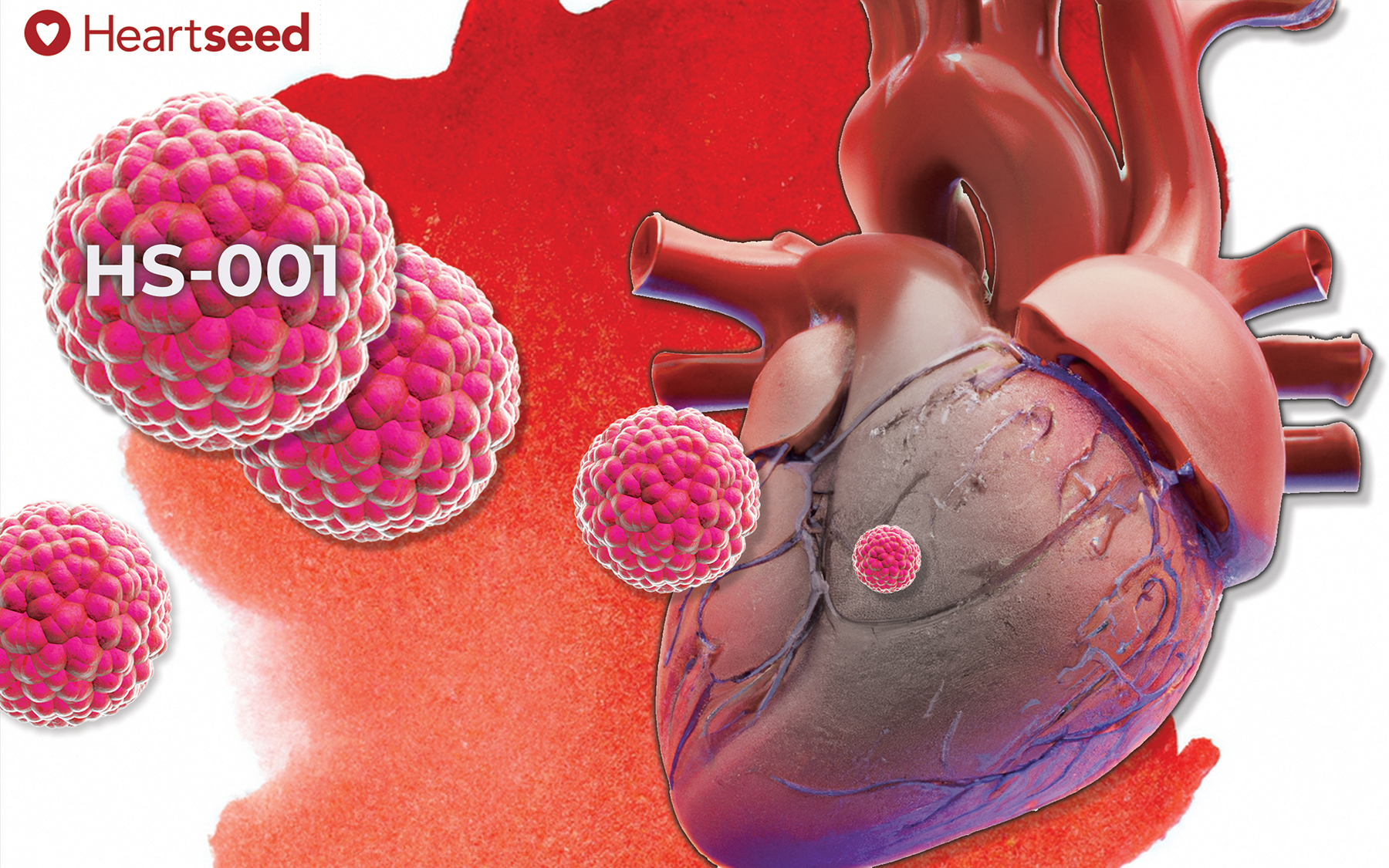
The core of the therapy consists of cardiomyocyte spheroids. According to Heartseed, these are three-dimensional clusters of heart muscle cells derived from stem cells. The company specifies that these spheroids are designed to integrate into the patient’s existing heart tissue, potentially improving the heart’s contractile force and overall pumping efficiency.
Key objectives of the EMERALD study include:
- Safety Assessment: Monitoring patients for adverse reactions or complications following the administration of HS-005.
- Feasibility: Testing the catheter-based delivery system to ensure cells reach the target areas of the myocardium.
- Efficacy Signals: Measuring improvements in left ventricular ejection fraction (LVEF) and other markers of heart function.
How the Nikon Manufacturing Process Creates Cardiomyocyte Spheroids
A critical component of the HS-005 therapy is the precision required to manufacture the cardiomyocyte spheroids. Heartseed utilizes advanced technology from Nikon to ensure the cells are produced with high consistency and quality. The manufacturing process is not merely about growing cells, but about shaping them into specific, uniform three-dimensional structures.
According to technical details provided by the partnership, Nikon’s contribution involves high-throughput imaging and automated systems. These tools allow Heartseed to monitor the morphology and growth of the spheroids in real-time. By maintaining strict control over the size and composition of each spheroid, the company aims to maximize the survival rate of the cells once they are transplanted into the human heart.
The use of spheroids rather than single-cell suspensions is a strategic choice. Heartseed reports that single cells often struggle to survive the transition into the host heart or are washed away by the bloodstream. Spheroids, acting as “mini-tissues,” provide a more robust structure that enhances engraftment and integration into the damaged myocardial wall.
| Feature | Single-Cell Therapy | HS-005 Spheroid Therapy |
|---|---|---|
| Physical Form | Individual dissociated cells | 3D multicellular clusters |
| Survival Rate | Lower (prone to apoptosis) | Higher (enhanced cell-to-cell support) |
| Integration | Difficult to localize | Better engraftment into myocardium |
| Manufacturing | Standard cell culture | High-precision Nikon-assisted automation |
The Role of Catheter-Based Delivery in HS-005 Administration
One of the primary innovations of the HS-005 therapy is its delivery method. Rather than requiring invasive open-heart surgery to implant the cells, Heartseed utilizes a catheter-based approach. This allows the cardiomyocyte spheroids to be delivered directly into the heart muscle through a minimally invasive procedure.
The catheter is threaded through the vascular system to the heart, where the HS-005 spheroids are injected into the damaged areas of the myocardium. Heartseed states that this method reduces the surgical risk for patients who are already in a fragile state due to severe heart failure. By minimizing the trauma of the procedure, the therapy becomes accessible to a wider range of patients who might not survive a full thoracotomy.
This delivery system must be precise. The spheroids must be deposited in specific regions of the heart to ensure they contribute to the overall pumping action without interfering with the heart’s electrical conductivity, which could potentially lead to arrhythmias.
Why This Matters for Patients with Severe Heart Failure
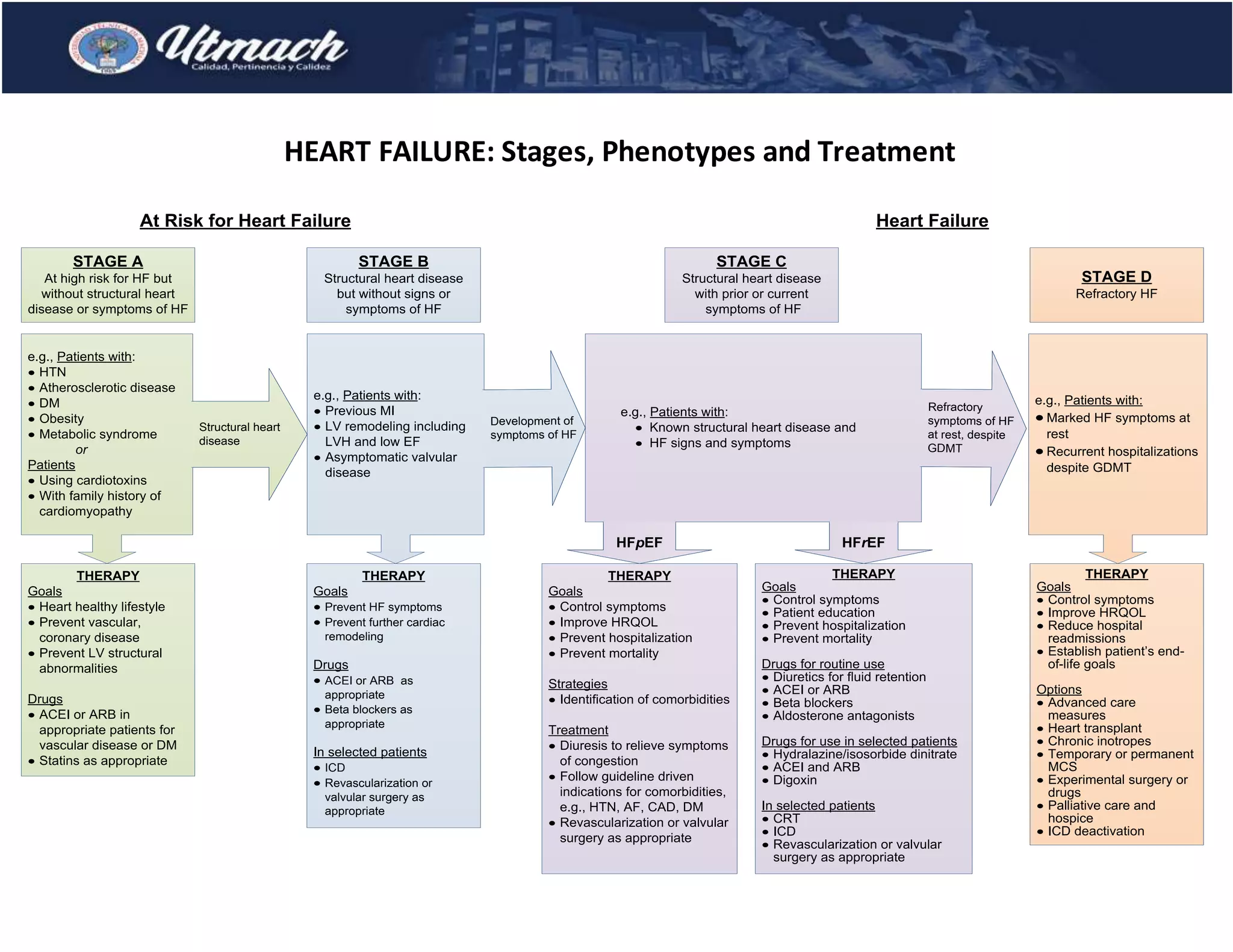
Severe heart failure represents a terminal stage of cardiac disease where the heart’s muscle is largely replaced by non-contractile scar tissue, often following a massive myocardial infarction (heart attack) or chronic cardiomyopathy. Current standards of care, such as beta-blockers, ACE inhibitors, and diuretics, focus on reducing the workload of the heart and removing excess fluid. They do not, however, replace the dead muscle.
For patients who do not respond to medication, the only remaining options are often:
- Left Ventricular Assist Devices (LVADs): Mechanical pumps that help the heart pump blood, which come with risks of infection and stroke.
- Heart Transplantation: The gold standard, but severely limited by the availability of donor organs.
The success of HS-005 would introduce a third category: regenerative therapy. If the cardiomyocyte spheroids can successfully integrate and beat in synchrony with the rest of the heart, the patient could potentially regain lost function without the need for a donor organ or a permanent mechanical pump.
“The goal is to transition from managing heart failure to actually repairing the heart muscle,” according to the strategic framework of the HS-005 development program.
Timeline and Development Milestones
The dosing of the first patient in the EMERALD study is the culmination of years of preclinical research and manufacturing optimization. The path to this milestone involved several critical stages:
- Stem Cell Differentiation: Developing the protocol to turn pluripotent stem cells into functional cardiomyocytes.
- Spheroid Engineering: Perfecting the 3D structure of the cells to ensure they survive transplantation.
- Nikon Integration: Implementing automated imaging and quality control to scale production.
- Preclinical Trials: Testing the therapy in animal models to prove that the cells could integrate and improve heart function.
- Regulatory Approval: Securing the necessary permits from health authorities to begin human trials.
The EMERALD study will now move forward with a small cohort of patients to establish a safety profile before expanding to larger groups to prove efficacy. The data gathered from these first patients will be vital for determining the optimal dosage and delivery locations for future treatments.
Addressing Potential Challenges in Cardiac Cell Therapy
While the dosing of the first patient is a significant milestone, cardiac regenerative medicine faces several well-documented hurdles. Heartseed’s approach with HS-005 is designed to address these specific issues.
The Risk of Arrhythmias
One of the most significant risks in cell therapy for the heart is “ventricular arrhythmia.” When new cells are introduced, they may not beat in perfect synchronization with the rest of the heart, creating electrical “short circuits.” Heartseed is monitoring this closely in the EMERALD study. The use of spheroids may help by promoting faster electrical coupling between the new cells and the existing tissue.
Cell Survival and Engraftment
Historically, many cell therapies failed because the injected cells died shortly after administration. By utilizing the Nikon-manufactured spheroid structure, Heartseed aims to provide the cells with a protective environment that mimics natural tissue, increasing the likelihood that they will survive and function long-term.
Immune Rejection
As with any cell therapy, the body’s immune system may recognize the new cells as foreign. The study will monitor how patients respond to the HS-005 cells and whether immunosuppressive therapy is required to prevent rejection.
For more information on how regenerative medicine is evolving, you may find a related explainer on stem cell differentiation helpful.
Comparison with Other Regenerative Approaches
HS-005 is part of a broader global effort to cure heart failure. However, it differs from other approaches in several key ways. Some researchers are focusing on “direct reprogramming,” which attempts to turn scar tissue (fibroblasts) into heart muscle cells directly inside the body. Others are using “exosomes” or “secretomes”—small vesicles released by cells—to stimulate the heart to heal itself without actually adding new muscle cells.
Heartseed’s approach is a “cell replacement” strategy. Instead of trying to fix the old cells or stimulate the body’s own dormant cells, they are adding entirely new, high-quality muscle tissue. This is a more direct approach to restoring contractile force, provided the cells can be successfully integrated.
| Approach | Mechanism | Primary Goal | Current Status |
|---|---|---|---|
| Cell Replacement (HS-005) | Injecting cardiomyocyte spheroids | Replace dead muscle with new tissue | Phase I/II Clinical Trials |
| Direct Reprogramming | Turning scars into muscle cells | Convert existing non-functional tissue | Mostly Preclinical |
| Exosome Therapy | Using cell-derived signaling molecules | Stimulate endogenous repair | Early Clinical Trials |
What to Monitor in the Coming Months
As the EMERALD study progresses, several key indicators will determine the success of HS-005. The medical community and investors will be looking for specific data points from the first group of dosed patients.
First, short-term safety is the priority. Any signs of severe inflammation or cardiac instability in the days following the catheter procedure would be a significant setback. Second, imaging data from MRIs or echocardiograms will be used to see if the spheroids have remained in place and if there is any visible change in the thickness or movement of the heart wall.
Finally, functional improvement will be the ultimate measure. If patients report a decrease in shortness of breath, an increase in exercise tolerance, or a measurable rise in their ejection fraction, it will provide strong evidence that the HS-005 therapy is working as intended.
The collaboration with Nikon also suggests a focus on scalability. If the EMERALD study proves successful, the ability to manufacture these spheroids consistently on a large scale will be the difference between a boutique treatment for a few and a widely available therapy for millions of heart failure patients worldwide.
Frequently Asked Questions
What is HS-005 exactly?
HS-005 is an investigational cell therapy developed by Heartseed. It consists of cardiomyocyte spheroids—clusters of heart muscle cells derived from stem cells—that are injected into the heart to replace damaged tissue and restore pumping function in people with severe heart failure.
How is the therapy delivered to the patient?
The therapy is administered via a catheter. This is a minimally invasive procedure where a thin tube is guided through the blood vessels to the heart, allowing the cells to be injected directly into the myocardium without the need for open-heart surgery.
Why is Nikon involved in a medical cell therapy?
Nikon provides the high-precision imaging and automation technology required to manufacture the cardiomyocyte spheroids. Their technology ensures that every spheroid is produced with the correct size and quality, which is essential for the cells to survive and integrate into the patient’s heart.
Who is eligible for the EMERALD study?
The study targets individuals with severe heart failure. Specific eligibility criteria are determined by the clinical trial protocol, typically focusing on patients whose heart function has declined to a point where standard medications are no longer sufficient.
Does this therapy replace the need for a heart transplant?
The goal of HS-005 is to restore heart function to a level that could potentially eliminate the need for a heart transplant or a mechanical pump (LVAD). However, it is currently in the trial phase, and its efficacy as a replacement for transplantation is still being evaluated.
For those interested in the technical side of medical device integration, a related explainer on catheter-based delivery systems provides further context on how these tools are used in modern cardiology.
