
Women often experience atypical symptoms during a heart attack, which can lead to delayed medical intervention and poorer health outcomes, according to health guidance. Common warning signs include shortness of breath, nausea, and extreme fatigue, differing from the classic crushing chest pain more frequently reported by men.
-
Key Findings
- Women are more likely to present with non-chest pain symptoms during a myocardial infarction.
- Atypical symptom presentation often results in delayed arrival at emergency departments.
- Common female-specific indicators include jaw pain, back pain, and unexplained exhaustion.
How heart attack symptoms differ in women
While chest pain remains a primary symptom for both sexes, medical guidance indicates that women frequently experience a broader and more subtle range of symptoms. According to health experts, these “atypical” signs can be easily mistaken for other conditions, such as the flu, acid reflux, or general stress.
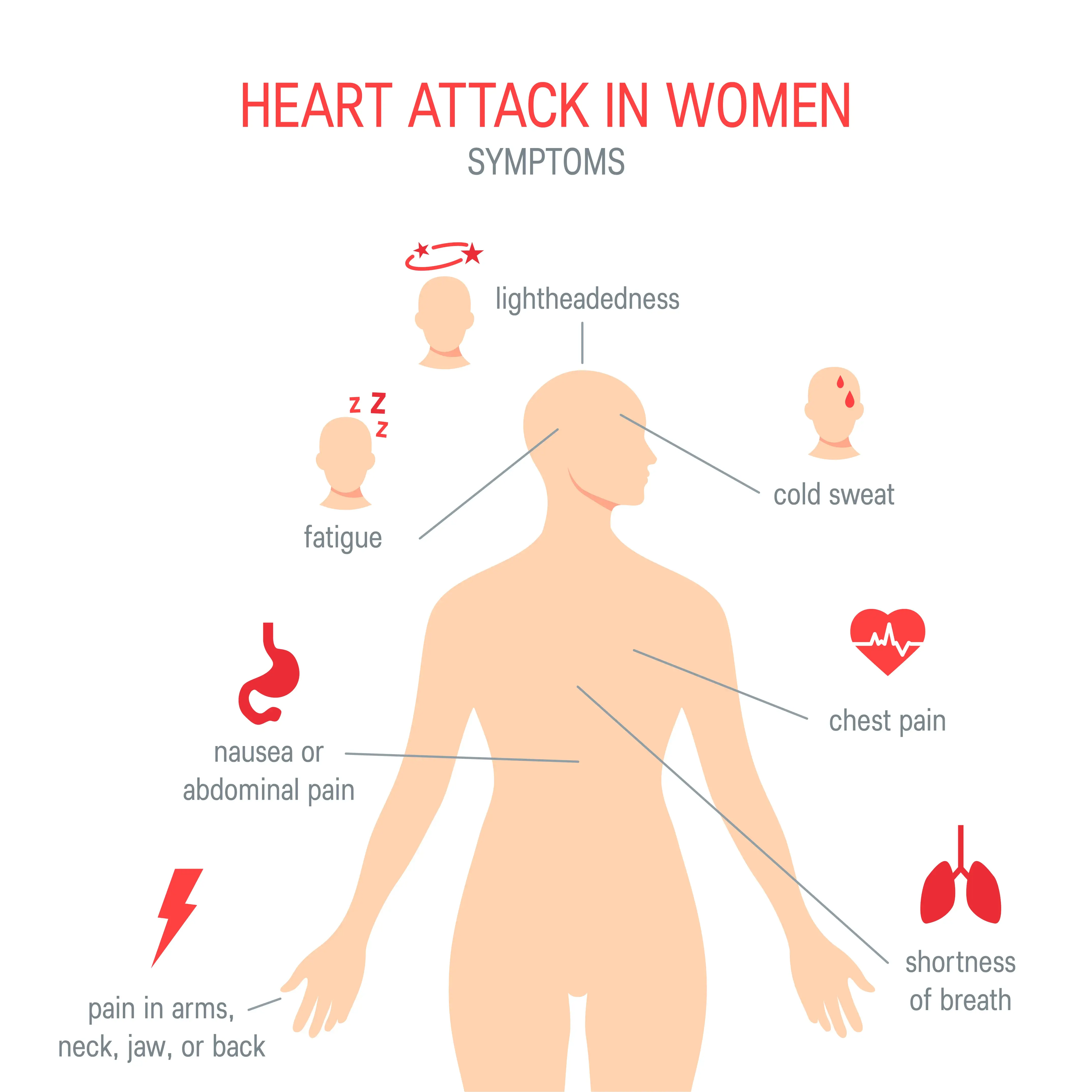
Common symptoms identified in women include:
- Shortness of breath: Difficulty breathing that may occur without accompanying chest pressure.
- Upper body discomfort: Pain or pressure in the neck, jaw, shoulders, or upper back.
- Gastrointestinal distress: Nausea, vomiting, or a feeling of indigestion.
- Systemic fatigue: An overwhelming sense of exhaustion or weakness that occurs suddenly.
Why atypical signs lead to delayed diagnosis
The disparity in symptom presentation creates a significant gap in how quickly women seek care. Because many women do not experience the “Hollywood” heart attack—characterized by a sudden collapse and clutching of the chest—they may dismiss early warning signs as unrelated to heart health.
The danger lies in the normalization of these symptoms. When a woman attributes shortness of breath to asthma or fatigue to a busy schedule, the window for critical intervention closes.
According to medical literature, this delay increases the risk of permanent heart muscle damage, as the time between the onset of symptoms and the administration of reperfusion therapy is a critical factor in survival rates.
Who is most at risk for myocardial infarction
While heart disease affects all populations, certain factors increase the risk for women. Health authorities note that the risk profile often shifts after menopause due to the decline in estrogen, which previously provided a protective effect on the cardiovascular system.
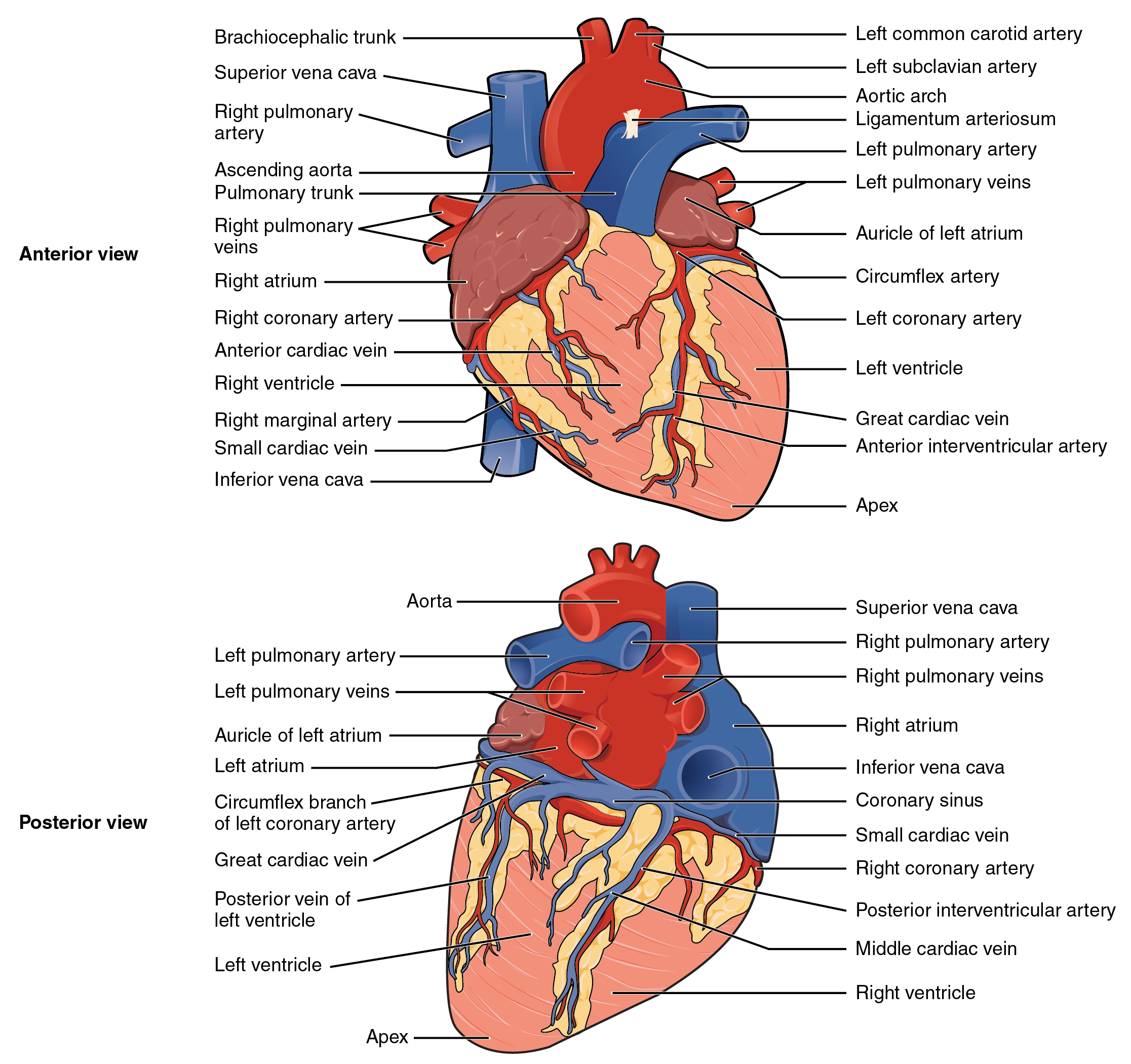
Other significant risk factors include:
- Diabetes: Women with diabetes are at a higher risk of heart disease and are even more likely to experience atypical symptoms.
- Hypertension: High blood pressure puts chronic strain on the heart and arteries.
- High Cholesterol: The buildup of plaque in the arteries (atherosclerosis) is a primary driver of heart attacks.
- Preeclampsia: A history of high blood pressure during pregnancy is now recognized as a long-term risk factor for cardiovascular issues.
What health officials recommend for recognition
Public health guidance emphasizes the importance of recognizing that any sudden, unexplained change in physical well-being can be a sign of cardiac distress. Health officials recommend that individuals seek immediate emergency care if they experience an unusual combination of the symptoms listed above, regardless of whether chest pain is present.
Medical professionals advise that patients be explicit about their symptoms when arriving at a clinic or hospital to ensure that cardiac markers and EKGs are prioritized, reducing the likelihood of a misdiagnosis based on gender stereotypes.
