Rural radiation oncology clinic closures threaten cancer patient care
A study from the Icahn School of Medicine at Mount Sinai reveals that the loss of rural and freestanding radiation oncology sites is creating dangerous gaps in care. While national clinic tallies remain steady, these localized closures disproportionately affect underserved populations.

Access to radiation therapy in the United States is undergoing a quiet but consequential transformation. While national tallies of oncology clinics remain relatively stable, a granular analysis reveals a volatile environment where the disappearance of individual treatment sites — particularly in rural and freestanding settings — is steadily eroding the ability of patients to receive life-saving care near their homes. According to a study published in the International Journal of Radiation Oncology, Biology, Physics, this localized erosion of services threatens to deepen existing disparities in cancer outcomes across the country.
The Hidden Crisis in Local Access
Researchers at the Icahn School of Medicine at Mount Sinai and Maimonides Medical Center conducted a nationwide tracking analysis of over 3,000 radiation oncology sites between 2018 and 2025. Their findings challenge the perception of a stable delivery system. While the total number of facilities appears consistent on a national scale, this statistic masks a dynamic shift: clinics are opening in well-served metropolitan areas even as others disappear in regions with few alternatives.
Related media

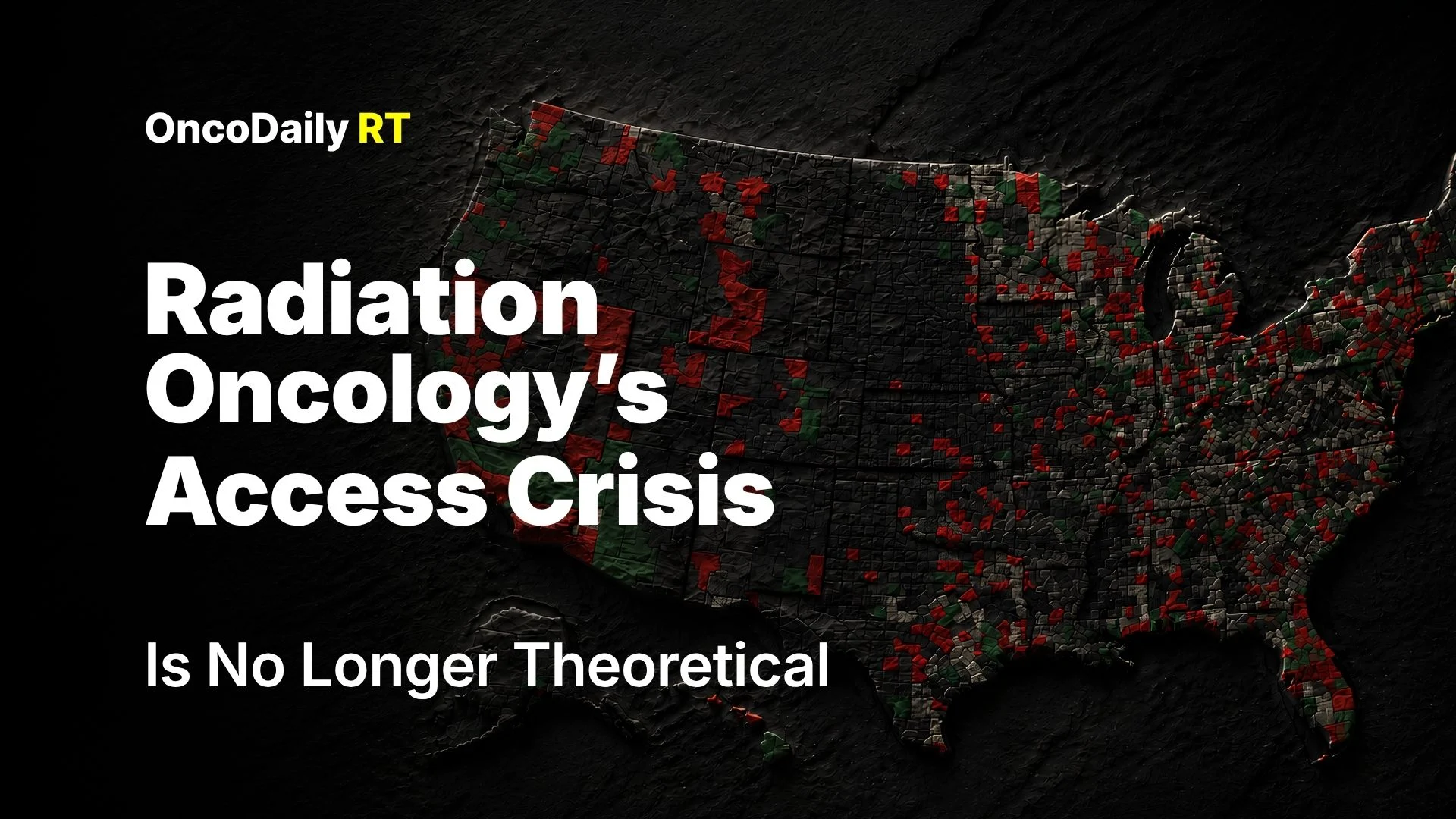
The study found that freestanding radiation oncology practices are 56 percent more likely to close than hospital-affiliated sites. By 2025, more than two-thirds of U.S. Counties, representing roughly 50.8 million people, were home to no radiation oncology practice sites at all.
"Looking only at the total number of radiation oncology clinics gives the impression that access to care has remained stable. But when we followed individual treatment sites over time, we found a much more dynamic picture. Clinics are disappearing, particularly in rural communities where patients often have few or no alternatives for receiving radiation therapy."
Kunal Sindhu, MD, assistant professor of radiation oncology, Icahn School of Medicine, via Cpstesters
Barriers to Care and Socioeconomic Impact
The loss of a local clinic carries profound weight because of the nature of radiation therapy. Unlike treatments that can be administered periodically, radiation often requires patients to visit a center five days a week for several weeks. When a community loses its sole provider, patients are forced to weigh the burdens of long-distance travel, potential employment interruptions, and the high costs of transportation and accommodation.
The researchers noted that counties lacking a local radiation oncology site typically exhibit higher poverty rates, higher rates of uninsurance among adults younger than 65, lower median household incomes, and fewer primary care physicians. This creates a compounding effect: patients already facing the most significant socioeconomic obstacles are also the most likely to have their treatment pathways interrupted by facility closures.
The Broader Hospital Crisis
The instability in radiation oncology is occurring within a wider period of distress for rural healthcare infrastructure. Data from the Sheps Center at the University of North Carolina shows that 195 rural hospitals have already closed or converted away from traditional inpatient services since 2005. With an additional 720 rural hospitals across the United States are now considered at risk of closure, the fundamental "ecosystem" of rural cancer care, which includes screenings, diagnostics, and surgical referrals, faces severe pressure. Experts suggest that the loss of these anchor institutions often leads to delayed cancer diagnoses and poorer health outcomes for rural populations.
Factors Influencing Local Access
| Factor | Impact on Rural Patients |
|---|---|
| Facility Type | Freestanding practices are more prone to closure than hospital-affiliated sites. |
| Geography | Rural-nonadjacent counties retain significantly fewer treatment sites per square mile than urban areas. |
Looking Ahead: Reimbursement and Technology
A central concern for the future is the impact of Medicare coding and reimbursement adjustments introduced on January 1, 2026. Because the study analyzed data from 2018 through 2025, it captures the vulnerability of the system before the full force of these recent financial shifts was felt. Industry observers warn that if freestanding and rural sites were already struggling to remain open, further reimbursement pressures could accelerate the rate of closures.
Stakeholders are increasingly looking to technology and payment reform as potential safeguards. Models such as the MASON model have been proposed to better reflect the realities of rural medicine, where economies of scale are difficult to achieve. Additionally, while telehealth and virtual clinical collaboration offer ways to manage symptoms and provide remote oversight, they cannot replace the physical linear accelerators and specialized staff required to deliver radiation treatments.
As policymakers, health systems, and professional organizations weigh future strategies, the authors of the study suggest that preventing the loss of existing facilities is more sustainable than attempting to reconstruct them later. Without intervention, they warn that the structural gaps currently emerging may widen, further stratifying cancer care access across the country.
Archypedia is dedicated to independent, evidence-backed reporting. This briefing was synthesized from primary source reporting, corroborated across independent newsrooms, and verified against our Editorial Standards.
Transparency record
Evidence behind this report
This report synthesizes 6 distinct sources. Open the source ledger below to compare the underlying coverage.
Prepared under the Archypedia Editorial Policy by the Lina Park editorial desk profile. AI-assisted tools may support drafting and verification; public accountability remains with Archypedia. Report an error.