
I was drinking 2 litres of energy drink a day. This is what it did to my health – NZ Herald
Consuming two liters of energy drinks daily causes severe cardiovascular strain, chronic insomnia, and acute anxiety, according to a detailed account in the report “I was drinking 2 litres of energy drink a day. This is what it did to my health – NZ Herald.” The case highlights the dangers of extreme caffeine and sugar intake, leading to systemic health failures and chemical dependency.
The Physical Toll of Extreme Energy Drink Consumption
The consumption of two liters of energy drinks per day represents a massive deviation from recommended dietary guidelines. For an average adult, this volume often translates to several times the safe daily limit of caffeine and sugar. The individual in the “I was drinking 2 litres of energy drink a day. This is what it did to my health – NZ Herald” account reported a cascading series of health failures that began with subtle shifts in energy and ended in severe physiological distress.
Cardiovascular instability is the most immediate risk. High doses of caffeine act as a potent stimulant that increases the heart rate and elevates blood pressure. The subject reported experiencing heart palpitations—the sensation of the heart skipping a beat or beating too hard—which are clinical indicators of tachycardia. When the heart is forced to maintain an elevated rate for extended periods, the risk of cardiac arrhythmia increases, potentially leading to more serious heart events.
Beyond the heart, the digestive and metabolic systems suffer. The high sugar content found in most non-diet energy drinks triggers massive insulin spikes. Over time, this can lead to insulin resistance, a precursor to Type 2 diabetes. The subject noted significant fluctuations in weight and energy levels, characterized by a “spike and crash” cycle that dictated their daily functioning.
Key Physiological Impacts
- Tachycardia: Rapid heart rate leading to chest discomfort and anxiety.
- Insomnia: Total disruption of the circadian rhythm, preventing deep REM sleep.
- Gastrointestinal Distress: Increased stomach acidity leading to nausea or acid reflux.
- Neurological Hyper-excitability: Jitteriness, tremors, and an inability to concentrate.
The Cycle of Caffeine Dependency and Mental Health
The psychological impact of drinking two liters of energy drinks daily is often as debilitating as the physical symptoms. Caffeine works by blocking adenosine receptors in the brain. Adenosine is the chemical responsible for signaling to the body that it is time to sleep. By blocking these receptors, the consumer feels a temporary surge of alertness, but the adenosine continues to build up in the background.
According to the details in the “I was drinking 2 litres of energy drink a day. This is what it did to my health – NZ Herald” story, this creates a “caffeine debt.” Once the caffeine wears off, the accumulated adenosine floods the brain, causing an extreme crash. To combat this exhaustion, the individual consumes more energy drinks, creating a feedback loop of dependency.
This cycle frequently manifests as clinical anxiety. The constant state of “fight or flight” induced by high stimulant intake mimics the symptoms of a panic attack. The subject reported heightened irritability and a sense of impending doom, which are common side effects of caffeine toxicity. When the brain is permanently stimulated, the ability to regulate mood diminishes, often leading to depressive episodes during the “crash” phases.
“The transition from feeling ‘supercharged’ to feeling completely depleted happens rapidly, leaving the individual trapped in a cycle where the drink is no longer providing energy, but is simply preventing a total collapse.”
Analyzing the Ingredients: What Happens Inside the Body?
To understand why two liters of these beverages are so damaging, one must examine the chemical composition. Most energy drinks rely on a combination of caffeine, taurine, glucuronolactone, and massive quantities of sucrose or glucose.
Caffeine is the primary driver. While moderate intake is generally safe, the volume described in the NZ Herald account pushes the body toward caffeine intoxication. This can lead to restlessness, insomnia, and in extreme cases, seizures. When paired with taurine—an amino acid that supports neurological development and regulates minerals in the heart—the effects can be synergistic. While taurine is naturally occurring, the concentrated doses in energy drinks may alter heart rhythm in sensitive individuals.
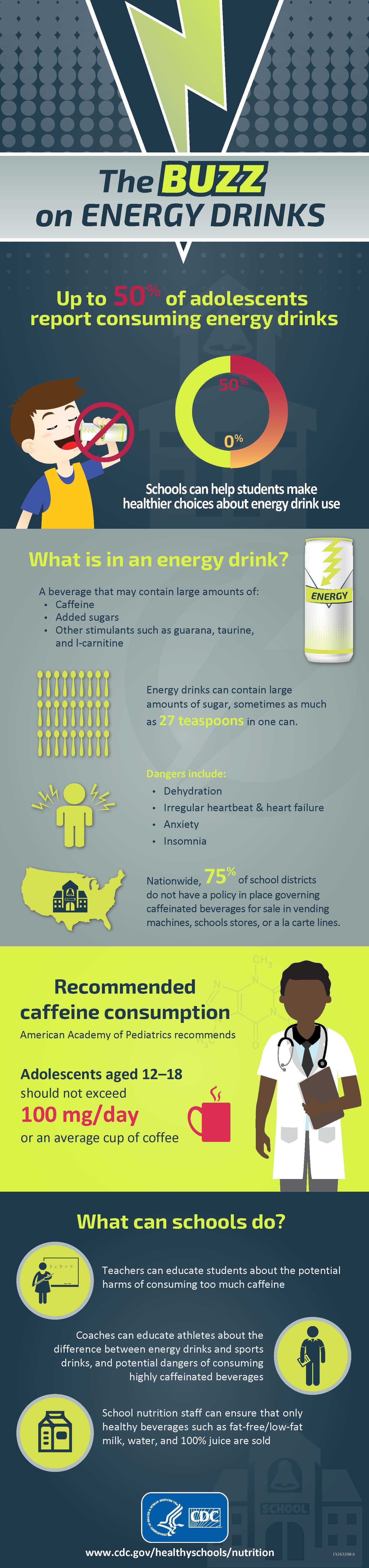
The sugar content is equally hazardous. A typical energy drink can contain upwards of 27 to 50 grams of sugar per serving. Consuming two liters can easily result in an intake of 150 to 200 grams of sugar daily. This exceeds the World Health Organization’s recommended limit for added sugars by a significant margin.
| Component | Standard Dose (1 Can) | Extreme Dose (2 Liters) | Potential Health Effect |
|---|---|---|---|
| Caffeine | 80mg – 160mg | 600mg – 1,200mg+ | Insomnia, Arrhythmia, Anxiety |
| Sugar | 27g – 54g | 150g – 250g+ | Insulin Resistance, Weight Gain |
| Taurine | 500mg – 1,000mg | 3,000mg – 6,000mg | Blood Pressure Fluctuations |
The Road to Recovery and Withdrawal Symptoms
Ceasing the consumption of two liters of energy drinks a day is not as simple as stopping overnight. Because the brain has chemically adapted to the constant presence of high-dose stimulants, the “withdrawal” phase can be physically and mentally grueling. This process is often compared to quitting nicotine or other mild stimulants.
The most common withdrawal symptom is the “caffeine headache.” This occurs because caffeine causes vasoconstriction (narrowing of blood vessels) in the brain. When caffeine is removed, the blood vessels dilate, increasing blood flow to the brain and creating intense pressure and pain. The subject in the “I was drinking 2 litres of energy drink a day. This is what it did to my health – NZ Herald” report likely faced these symptoms along with extreme lethargy and “brain fog.”
Recovery requires a gradual taper. Medical professionals generally suggest reducing intake by one serving every few days rather than quitting “cold turkey.” This allows the adenosine receptors to reset and the cardiovascular system to return to a resting baseline without triggering a severe shock to the system.
Steps for Safe Reduction
- Hydration Shift: Replacing one energy drink per day with 500ml of water to maintain fluid balance.
- Incremental Reduction: Lowering the daily volume by 250ml every three to four days.
- Sleep Hygiene: Establishing a strict wake-sleep cycle to naturally regulate melatonin production.
- Protein Increase: Consuming more protein and complex carbohydrates to stabilize blood sugar and reduce cravings.
For more information on managing stimulant dependency, readers may find a related explainer on caffeine withdrawal useful.
Comparing Extreme Intake to Health Standards
When contrasting the 2-liter habit with established health guidelines, the disparity is stark. The U.S. Food and Drug Administration (FDA) suggests that for healthy adults, 400 milligrams of caffeine a day is generally not associated with dangerous, negative effects. However, two liters of energy drinks can easily exceed 1,000 milligrams.
This level of intake places the individual in the category of “high-risk consumption.” While some people claim a higher tolerance for caffeine, tolerance does not equal safety. The heart and kidneys still process the chemicals, and the blood pressure still rises, regardless of whether the person “feels” the jitters.
The “I was drinking 2 litres of energy drink a day. This is what it did to my health – NZ Herald” case serves as a critical data point in the discussion of “productivity culture.” Many users turn to these drinks to sustain long working hours or intense study sessions, unaware that the cognitive decline caused by lack of sleep actually cancels out the alertness provided by the caffeine.
Common Misconceptions About Energy Drinks
There are several prevalent myths regarding energy drinks that often lead people to believe that high consumption is harmless. Correcting these is essential for public health awareness.
Myth 1: “Sugar-free versions are healthy.” While removing sugar prevents insulin spikes, the artificial sweeteners and high caffeine levels still put immense pressure on the heart and nervous system. The cardiovascular risks remain identical regardless of the sugar content.
Myth 2: “I have a high tolerance, so it doesn’t affect me.” Tolerance is a neurological adaptation where the brain creates more adenosine receptors to compensate for the caffeine. This means the user needs more of the drug to feel “normal,” but the physical organs (heart, kidneys, liver) are still being stressed by the chemical load.
Myth 3: “Energy drinks are just like coffee.” While both contain caffeine, energy drinks often include a cocktail of other stimulants (guarana, taurine) and massive amounts of sugar. This combination creates a more aggressive stimulant effect than a standard cup of coffee, increasing the likelihood of heart palpitations.
Long-Term Implications of High-Stimulant Lifestyles
The long-term effects of sustaining a 2-liter-a-day habit can extend far beyond the immediate withdrawal period. Chronic overstimulation of the adrenal glands can lead to what is colloquially known as “adrenal fatigue,” where the body struggles to produce cortisol and adrenaline naturally.
Furthermore, the impact on kidney function cannot be ignored. High concentrations of caffeine act as a diuretic, increasing urine production and potentially leading to dehydration if water intake is not increased. When combined with the high sugar load, this puts a double strain on the renal system, increasing the risk of kidney stones or chronic kidney disease over several years.
The psychological scar is also significant. Individuals who rely on chemical stimulants for years often struggle with “anhedonia”—the inability to feel pleasure from normal activities—because their dopamine receptors have been overstimulated and downregulated. Recovery involves not just physical detox, but a psychological recalibration to find energy and motivation without chemical assistance.
Industry trends show an increase in “energy shots” and highly concentrated powders, which make it even easier for consumers to accidentally exceed the 2-liter equivalent of caffeine in a much smaller volume. This increases the risk of acute caffeine poisoning, which can be fatal in extreme cases.
Frequently Asked Questions
How much caffeine is in 2 litres of energy drinks?
Depending on the brand, 2 litres of energy drinks typically contain between 600mg and 1,200mg of caffeine. This is significantly higher than the FDA’s recommended daily limit of 400mg for healthy adults.
What are the first signs of energy drink overdose?
Early signs include rapid heart rate (tachycardia), uncontrollable shaking or jitters, extreme restlessness, and anxiety. More severe signs include chest pain, shortness of breath, and confusion.
Can you permanently damage your heart by drinking too many energy drinks?
Chronic high intake can lead to hypertension (high blood pressure) and cardiac hypertrophy (thickening of the heart muscle), both of which increase the risk of heart failure or stroke over time.
How long does it take to detox from a heavy caffeine habit?
Most physical withdrawal symptoms, such as headaches and lethargy, peak within 24 to 72 hours and typically subside within one to two weeks. However, restoring natural sleep patterns can take several weeks of consistent hygiene.
Is it safe to mix energy drinks with other stimulants?
No. Mixing energy drinks with other stimulants (such as ADHD medication or pre-workout supplements) significantly increases the risk of cardiac arrhythmia and hypertensive crisis.
The account detailed in “I was drinking 2 litres of energy drink a day. This is what it did to my health – NZ Herald” underscores the danger of treating high-strength stimulants as casual beverages. The transition from a productivity tool to a health liability is often invisible until the body reaches a breaking point. Prioritizing natural energy sources—such as consistent sleep, hydration, and balanced nutrition—remains the only sustainable way to maintain high cognitive and physical performance without risking systemic organ failure.
