
Graham Platner Wins Maine Senate Primary Despite Campaign Scandals
Graham Platner has won the Democratic primary for the U.S. Senate in Maine, according to projections from CNN. Despite a campaign characterized by scandals and personal setbacks, Platner secured the nomination, a result that Representative Ro Khanna described as a “chance at redemption” for the candidate.
What happened in the Maine Senate primary?
Graham Platner emerged victorious in the Maine Senate primary, securing the Democratic nomination for the seat. CNN projected the win as part of its live coverage of the Maine and South Carolina primary elections. The victory comes after a period of significant volatility for Platner, whose bid for office was hampered by a series of controversies.
The New York Times reported that Platner’s win followed a “turbulent stretch” of his campaign. While the primary results confirm his status as the party’s nominee, the victory serves as a test of his resilience and his ability to maintain support among the Democratic base despite public scrutiny. The primary functioned as a referendum on whether Platner’s perceived stumbles would alienate voters or if his platform could outweigh his personal controversies.
Key details of the primary outcome include:
- Projected Winner: Graham Platner
- Projection Source: CNN Politics
- Political Party: Democratic
- Context: Primary victory following a series of campaign scandals
Why did the “stumbles” not stop Platner’s nomination?
Voters in the Maine primary opted to move forward with Platner despite a campaign trajectory that several outlets described as unstable. The New York Times highlighted that Platner faced a “turbulent stretch” during his bid, suggesting that the candidate’s path to the nomination was far from certain. This volatility typically stems from a combination of policy disputes, personal gaffes, or ethical challenges, though the primary electorate ultimately decided these issues were not disqualifying.
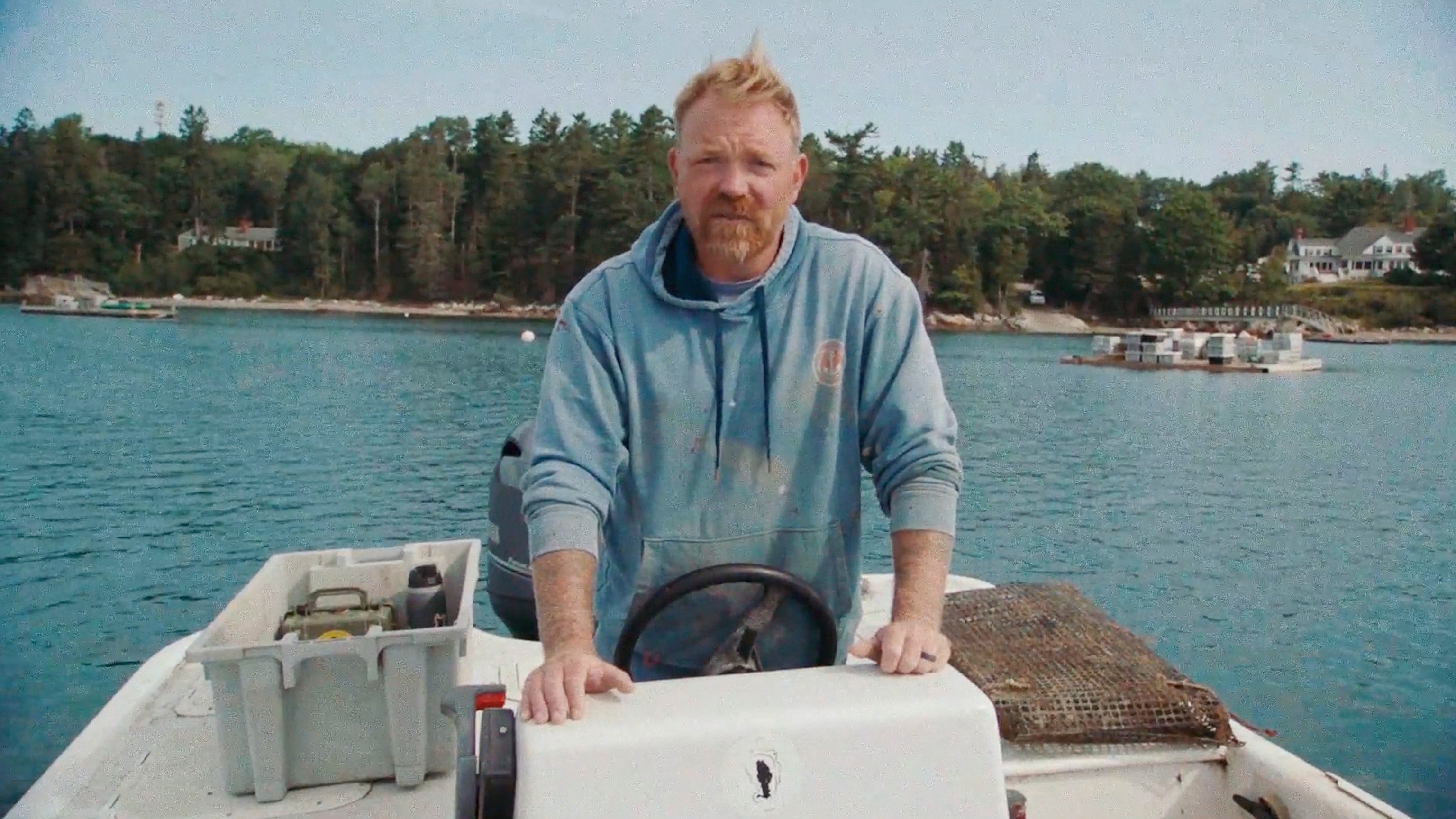
Representative Ro Khanna provided a specific interpretation of this outcome, stating that Maine voters gave Platner a “chance at redemption,” according to The Hill. This framing suggests that the electorate viewed the primary win not necessarily as an endorsement of his past mistakes, but as a willingness to allow him to prove his viability in a general election. This “redemption” narrative indicates that Platner may have successfully pivoted his campaign to focus on future goals rather than past errors.
The resilience of Platner’s candidacy may be attributed to a few factors:
- Lack of viable alternatives: If opposing primary candidates failed to consolidate support, Platner’s base may have remained loyal despite the scandals.
- Effective crisis management: The ability to address “stumbles” directly can sometimes neutralize their impact on primary voters.
- Strong party alignment: In a primary, voters often prioritize party loyalty and perceived electability over individual flaws.
Will Graham Platner help or hurt Democrats in the general election?
The question of whether Platner is an asset or a liability is now a central point of analysis for political observers. The BBC raised this specific concern, questioning whether the “scandal-hit” candidate will “help save or sink Democrats” in the upcoming general election. This suggests a divide between the primary electorate’s willingness to forgive and the general electorate’s potential for hostility toward a flawed candidate.
The stakes are high because Senate races often hinge on the ability of a candidate to appeal to independent and moderate voters. While Democratic primary voters may have granted Platner a “chance at redemption,” as Ro Khanna noted, the general election requires a broader coalition. If the scandals that plagued his primary run are weaponized by opponents, Platner could become a focal point for attacks on the Democratic ticket as a whole.
Conversely, if Platner can leverage his primary win as a sign of strength and recovery, he may present himself as a battle-tested candidate. The contrast in framing between different news outlets illustrates the uncertainty surrounding his general election viability:
| Outlet | Framing of Platner’s Win | Core Perspective |
|---|---|---|
| CNN | Projected Victory | Factual reporting of the race result. |
| The Hill | “Chance at redemption” | Focus on voter forgiveness and a second chance. |
| BBC | “Save or sink” | Focus on the risk to the party’s general election prospects. |
| NYT | “Turbulent stretch” | Focus on the instability of the campaign path. |
How does this fit into the broader Maine political landscape?
Maine is known for a political culture that values independence and often deviates from national trends. The decision by primary voters to stick with a candidate who has faced public “stumbles” may reflect a local preference for candidates who can survive political fire, or perhaps a specific trust in Platner’s local ties that outweighs national media narratives.

The Democratic party’s strategy in Maine now involves transitioning Platner from a “scandal-hit” primary winner to a general election contender. This will likely involve a concerted effort to distance him from the “turbulent stretch” mentioned by The New York Times and lean into the “redemption” narrative mentioned by Khanna. For the party to avoid the “sink” scenario feared by the BBC, Platner must demonstrate a level of stability that was missing during the primary phase.
Analysts often look at similar precedents where candidates survived primary scandals only to struggle in the general election. The key variable is usually whether the “stumbles” are viewed as personal failings or as indicators of a lack of judgment that would affect governance. If Platner can convince the broader public that his issues were personal and resolved, he remains a viable candidate.
For a deeper look at how primary dynamics affect general election outcomes, readers may find a related explainer on candidate viability useful.
What are the immediate next steps for the Platner campaign?
With the primary concluded, the Platner campaign must now pivot to a general election strategy. This involves consolidating party support and addressing the vulnerabilities that were exposed during the primary. The “tests of strength” mentioned in the context of the primary will now shift toward his ability to withstand attacks from the opposing party.
Expected moves from the campaign include:
- Unified Party Front: Seeking endorsements from primary opponents to signal a healed Democratic coalition.
- Aggressive Pivot: Shifting the conversation from his personal history to policy issues affecting Maine voters.
- Damage Control: Proactively addressing the “scandals” cited by the BBC to prevent them from becoming the dominant narrative of the fall campaign.
The timeline for the general election will determine how much time Platner has to rehabilitate his image. If the general election is close, the “turbulent” nature of his primary run could be a persistent liability that opponents will highlight in advertising and debates.
Common Questions About Graham Platner’s Primary Win
Did Graham Platner win the Maine Senate primary?
Yes, CNN projected that Graham Platner won the Democratic primary for the U.S. Senate in Maine.
What were the “stumbles” referred to in Platner’s campaign?
While specific details vary by report, The New York Times described his bid as a “turbulent stretch” and the BBC referred to him as “scandal-hit,” indicating significant controversies occurred during his campaign.

How did other politicians react to the win?
Representative Ro Khanna stated that the victory gave Platner a “chance at redemption,” according to The Hill.
Is Platner’s win considered a risk for the Democratic Party?
Some analysts, including those at the BBC, have questioned whether Platner’s history of scandals will “save or sink” the Democrats in the general election.
What does “chance at redemption” mean in this context?
In the context of Ro Khanna’s comments, it implies that the primary voters have forgiven Platner’s previous mistakes and are giving him another opportunity to serve in public office.
The outcome of the Maine Senate primary leaves Graham Platner as the Democratic nominee, but the victory is tempered by the baggage of his campaign. As the race moves toward the general election, the focus will shift from whether he can survive his own party’s scrutiny to whether he can win over a wider, more critical electorate.
