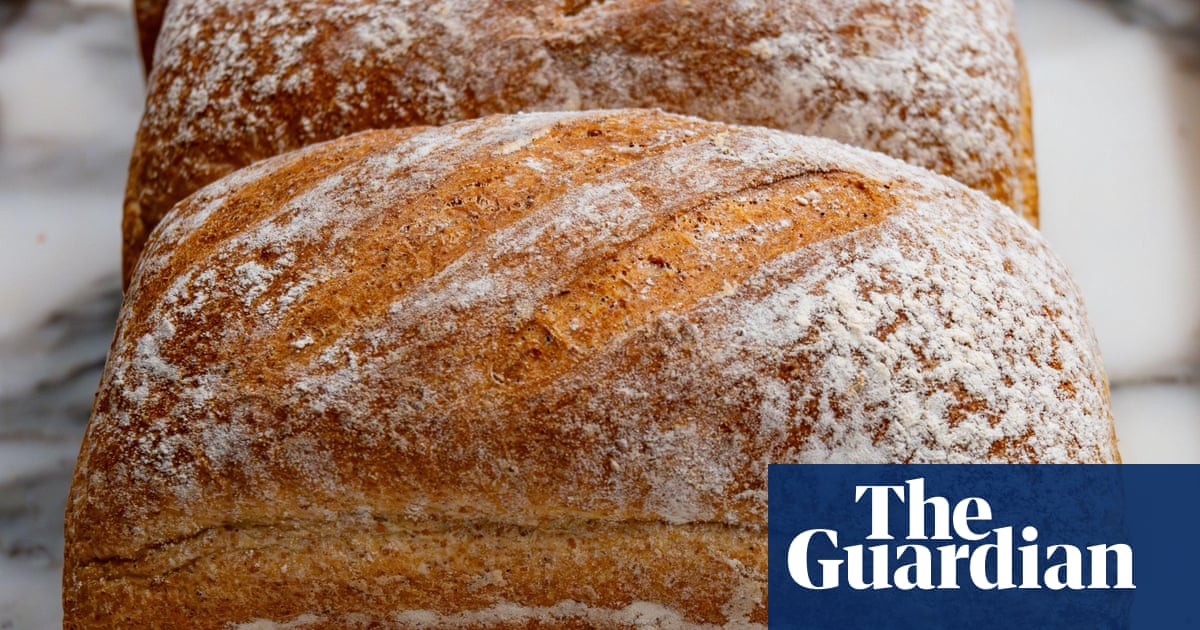
Gluten-Free Essentials Becoming a Luxury as Small Loaf Prices Edge Closer to £4
For many individuals with dietary restrictions, the simple act of purchasing a loaf of bread has become a financial burden. Recent reports indicate that the cost of a small branded gluten-free loaf is approaching £4, raising concerns about affordability and accessibility. This shift has sparked conversations about the broader implications of rising food prices and the challenges faced by those who rely on specialized products.
The Rising Cost of Gluten-Free Essentials
Gluten-free products, once a niche market, have seen a significant increase in demand over the past decade. However, this growth has not been matched by a corresponding reduction in cost. In the UK, the price of a standard small gluten-free loaf has approached £4, a figure that many consumers find increasingly difficult to justify. This trend is not isolated to bread; other gluten-free staples, such as pasta, snacks, and baked goods, have also experienced price hikes. The result is a growing divide between those who can afford these essentials and those who cannot.
The affordability crisis is particularly acute for individuals with celiac disease or non-celiac gluten sensitivity. For these consumers, avoiding gluten is not a preference but a necessity. The inability to access affordable gluten-free options can lead to nutritional deficiencies, increased healthcare costs, and a diminished quality of life. As prices continue to rise, the question of whether gluten-free products should be considered a basic necessity or a luxury becomes more pressing.
Factors Driving the Price Surge
Several factors contribute to the rising cost of gluten-free products. One of the primary drivers is the increased demand for these items. As awareness of gluten-related health issues has grown, more people have adopted gluten-free diets, both medically and for personal reasons. This surge in demand has placed pressure on manufacturers to scale production, often leading to higher costs.
Production costs for gluten-free products are inherently higher than those for traditional items. Gluten-free flours, such as rice, quinoa, and almond, are more expensive than wheat. The manufacturing process for gluten-free foods requires strict measures to prevent cross-contamination, further increasing expenses. These costs are often passed on to consumers, making gluten-free products less accessible to lower-income households.
Supply chain disruptions have also played a role in the price increases. Global events, including pandemics, trade conflicts, and climate-related issues, have impacted the availability of raw materials. For gluten-free producers, who often rely on imported ingredients, these disruptions can lead to significant price volatility. Retailers, in turn, may raise prices to maintain profit margins, further straining consumers.
Stakeholders and Their Perspectives
The gluten-free pricing crisis affects a wide range of stakeholders, from consumers and manufacturers to healthcare providers and policymakers. For consumers, the financial strain is immediate and personal. Many report having to make difficult choices between purchasing essential gluten-free products and other necessities. This dilemma is especially challenging for families with multiple members requiring gluten-free options.
Manufacturers and retailers face their own set of challenges. While higher prices can boost profit margins, they also risk alienating customers. Some companies have attempted to address affordability by introducing budget-friendly lines or offering discounts. However, these measures are often insufficient to offset the overall cost increases. Retailers, meanwhile, must balance the need to remain competitive with the pressure to maintain reasonable prices for all customers.
Healthcare professionals and advocacy groups have also weighed in on the issue. Nutritionists emphasize the importance of access to affordable, nutritious food for individuals with gluten-related conditions. Advocacy organizations have called for greater support for gluten-free consumers, including subsidies or government programs aimed at reducing the cost of essential products. These efforts highlight the broader societal implications of the pricing crisis.
Comparisons and Broader Implications
The situation with gluten-free products is not unique to the UK. Similar trends have been observed in other countries, where the cost of specialized foods often exceeds that of conventional alternatives. In the United States, for example, a gluten-free loaf can cost up to 150% more than its gluten-containing counterpart. This disparity underscores a global challenge: ensuring that dietary needs are met without creating financial hardship.

The rising cost of gluten-free products also raises questions about food equity. Access to nutritious food is a fundamental right, yet the current pricing
