Genetic Analysis of Cocaine Addiction Points to the Liver: New Study Links Liver Enzymes to Compulsive Use
A genome-wide association study published in Nature has identified a genetic link between liver enzymes and compulsive cocaine addiction. The research, reported by Labroots and News-Medical, indicates that genetic markers associated with the compulsive self-administration of cocaine are located in regions of the genome tied to liver function, suggesting that addiction is a systemic metabolic issue rather than one confined solely to the brain.
How Genetic Analysis of Cocaine Addiction Points to the Liver – Labroots
For decades, addiction research focused almost exclusively on the brain’s reward circuitry, specifically the dopamine pathways in the nucleus accumbens. However, a recent genetic analysis of cocaine addiction points to the liver as a critical factor in determining whether an individual develops a compulsive dependency. According to the study published in Nature, researchers used a genome-wide association study (GWAS) to analyze Heterogeneous Stock (HS) rats, which possess a diverse genetic makeup similar to that of human populations.
The researchers discovered that the genetic variations driving “compulsive” behavior—defined as the continued drug-seeking despite negative consequences—were strongly associated with genes expressed in the liver. This finding shifts the scientific understanding of addiction from a purely neurological event to a metabolic one. According to News-Medical, the study suggests that the way the liver metabolizes cocaine directly influences the drug’s impact on the brain, thereby altering the risk of developing a compulsive addiction.
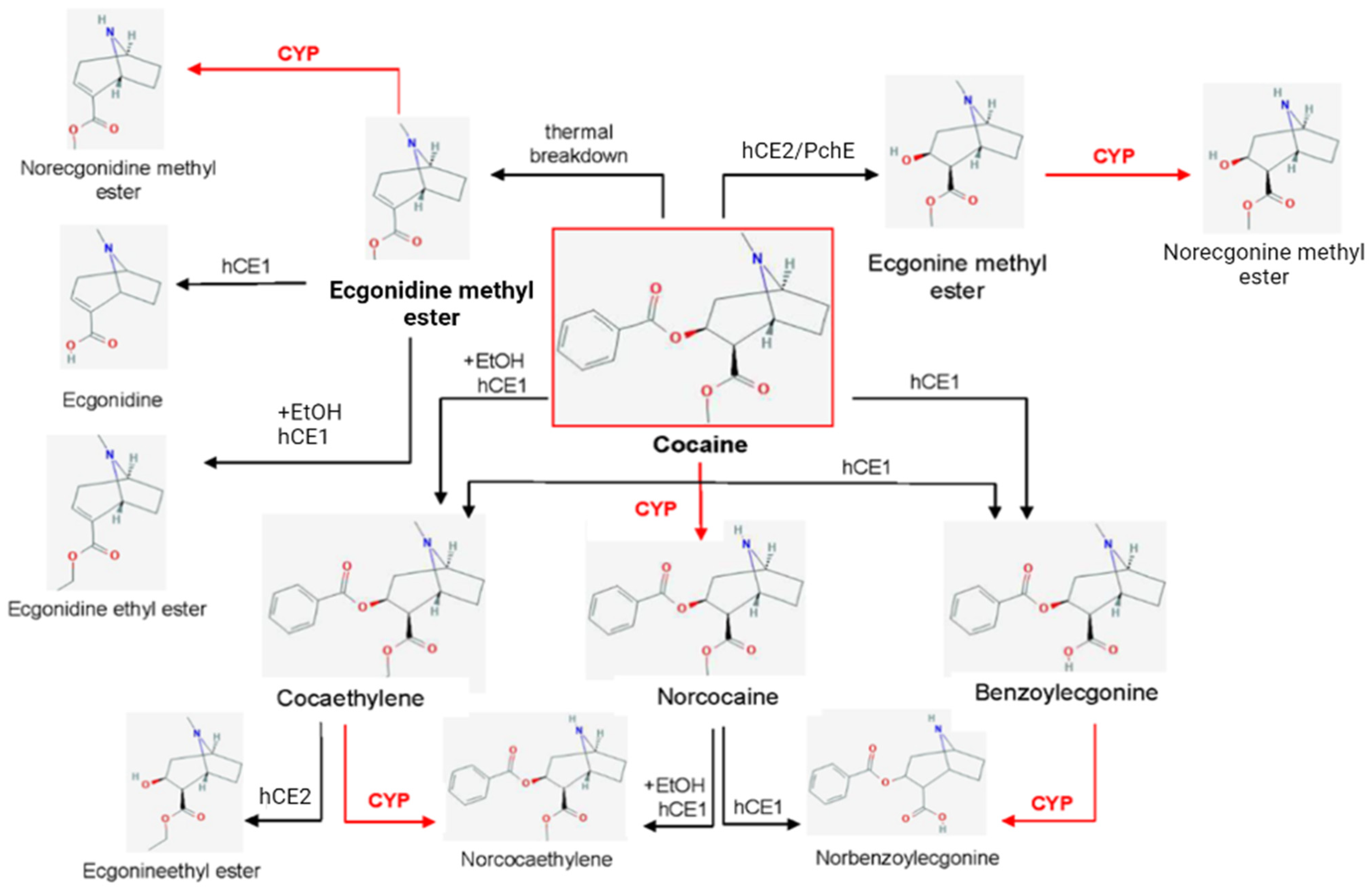
The core of the discovery lies in the liver’s role as the primary site for drug detoxification. When the liver processes cocaine, it breaks the substance down into metabolites. If genetic variations cause the liver to process the drug too slowly or too quickly, the concentration of cocaine reaching the brain changes. This variance in drug concentration can trigger different neural responses, potentially accelerating the transition from recreational use to compulsive addiction.
The Role of Heterogeneous Stock Rats in Addiction Research
To achieve these results, scientists avoided the use of inbred laboratory rats, which are genetically identical. Instead, they utilized Heterogeneous Stock (HS) rats. According to the Nature report, HS rats provide a broader genetic spectrum, allowing researchers to see how different genetic profiles react to the same stimulus.
The study monitored these rats as they self-administered cocaine. The researchers specifically looked for “compulsive” markers, such as the persistence of drug-seeking behavior even when the drug was paired with an electric shock. By mapping the genomes of the rats that remained compulsive versus those that stopped, the team could isolate the specific genetic markers responsible for the behavior.

| Study Variable | Inbred Rat Models | Heterogeneous Stock (HS) Rats |
|---|---|---|
| Genetic Diversity | Low/None | High (Human-like) |
| Research Goal | Specific gene function | Genome-wide association (GWAS) |
| Addiction Insight | Linear/Predictable | Variable/Complex |
| Applicability | Basic biological mechanisms | Population-level susceptibility |
By using this diverse population, the study was able to pinpoint that the genetic drivers of addiction were not solely located in genes that build brain receptors, but in genes that regulate liver enzymes. This indicates that the “addictive personality” or susceptibility may be partially rooted in the body’s metabolic efficiency.
Why Liver Enzymes Influence Brain Chemistry
The liver produces enzymes that catalyze the breakdown of foreign substances, including narcotics. According to the findings detailed in Labroots, the efficiency of these enzymes determines the “pharmacokinetics” of cocaine—how the drug moves through the body, how long it stays in the bloodstream, and how much of it crosses the blood-brain barrier.
When liver enzymes function at a lower efficiency due to genetic predisposition, cocaine may remain in the system longer, leading to prolonged stimulation of the brain’s reward system. Conversely, an unusual metabolic rate might alter the production of metabolites that have their own distinct effects on the central nervous system. This metabolic variance creates a feedback loop: the liver’s performance dictates the brain’s exposure, and the brain’s exposure dictates the intensity of the addiction.
“The discovery that liver-related genes correlate with compulsive drug-seeking suggests that the peripheral metabolism of drugs is as important as the central nervous system’s response.”
This systemic approach explains why two individuals can use the same amount of a substance, yet only one develops a compulsive dependency. The difference may not be a lack of willpower or a “broken” brain, but a liver that processes the toxin in a way that maximizes the drug’s addictive potential.
Shifting the Paradigm: Brain-Centric vs. Systemic Models
The traditional model of addiction has been “brain-centric,” focusing on the “hijacking” of the dopamine system. While the brain is where the experience of addiction happens, the Nature study suggests the brain is not the only organ determining the outcome. This introduces a “systemic model” of addiction.
The Brain-Centric View
- Focuses on dopamine receptors (D1, D2).
- Emphasizes the prefrontal cortex and nucleus accumbens.
- Views addiction as a failure of inhibitory control within the brain.
- Treatment focuses on neurological stabilization or behavioral therapy.
The Systemic View
- Includes peripheral organs like the liver and kidneys.
- Emphasizes the metabolic rate and enzyme efficiency.
- Views addiction as a result of how the body’s chemistry interacts with the drug.
- Treatment could potentially involve metabolic regulation or personalized medicine based on genetic liver profiles.
According to News-Medical, integrating these two views allows for a more comprehensive understanding of the disease. The liver acts as the “gatekeeper,” controlling the dose and duration of the drug’s effect on the brain. If the gatekeeper is genetically programmed to allow more of the drug through, the brain is more likely to undergo the neuroplastic changes that lead to compulsion.

Implications for Future Addiction Treatment
The realization that genetic analysis of cocaine addiction points to the liver opens new doors for pharmacological intervention. If addiction is linked to specific liver enzymes, medical professionals might one day be able to screen patients for these genetic markers to identify those at the highest risk of dependency.
Furthermore, this research suggests that treating addiction may require more than just psychiatric medication. There is a potential for “metabolic interventions”—drugs that can modulate liver enzyme activity to reduce the addictive impact of a substance. By altering how the body processes cocaine, it may be possible to diminish the compulsive drive to seek the drug, even if the brain’s reward pathways have already been altered.
This approach aligns with the growing field of pharmacogenomics, where medication is tailored to a person’s genetic makeup. For example, if a patient is known to have a “slow-metabolizer” liver genotype, treatment strategies could be adjusted to account for the prolonged drug presence in their system.
Common Misconceptions About Addiction Genetics
One common misconception is that addiction is “hard-wired” into the brain from birth. While genetics play a role, the Nature study clarifies that these genes aren’t necessarily “addiction genes” in the brain, but “metabolism genes” in the liver. This is a critical distinction; it means the susceptibility is tied to a biological process (metabolism) rather than a predetermined psychological flaw.
Another misunderstanding is that the liver’s only role in drug use is damage (such as cirrhosis). This study proves the liver is an active participant in the behavioral aspect of addiction. The liver does not just suffer the consequences of drug use; it helps determine the severity of the addiction itself.
Finally, some believe that GWAS studies in animals cannot be applied to humans. However, because HS rats are designed to mimic human genetic diversity, their results provide a highly reliable roadmap for human clinical trials. The biological pathways for cocaine metabolism are remarkably similar across mammalian species, making these findings highly relevant to human medicine.
Timeline of Addiction Research Evolution
| Era | Primary Focus | Key Understanding |
|---|---|---|
| Early 20th Century | Moral/Behavioral | Addiction viewed as a lack of willpower or moral failing. |
| Mid-to-Late 20th Century | Neurochemical | Discovery of dopamine’s role in reward and pleasure. |
| Early 21st Century | Genetic/Brain-Centric | Identification of brain-specific genes linked to dependency. |
| Current Era | Systemic/Metabolic | Recognition of liver enzymes and peripheral organs in addiction. |
This evolution shows a steady movement from the abstract (morality) to the specific (neurons) and now to the systemic (organs). The current shift toward metabolic research suggests that the next decade of addiction treatment will likely be interdisciplinary, combining neurology, gastroenterology, and genetics.
What This Means for Personalized Medicine
The integration of GWAS data into clinical practice could lead to a new era of personalized addiction medicine. Rather than a one-size-fits-all approach to rehabilitation, clinicians could use genetic profiling to determine a patient’s metabolic risk. This could involve related explainer on pharmacogenomics to understand how different patients react to various medications.
For instance, if a patient’s genetic profile shows a high susceptibility to compulsive behavior due to liver enzyme deficiency, their treatment plan might include more intensive monitoring or specific metabolic supports to prevent relapse. This moves the conversation away from “why can’t this person stop?” to “how is this person’s body processing this substance?”
The study also suggests that other addictions—such as those to alcohol or opioids—might have similar peripheral genetic drivers. If the liver is the key for cocaine, other organs or enzyme systems may be the key for other substances. This opens the door for a broader “metabolic map” of all substance use disorders.
Frequently Asked Questions
Does this mean the liver causes cocaine addiction?
No, the liver does not “cause” addiction in isolation. Addiction is a complex interaction between the drug, the brain, and the body. However, according to the study in Nature, genetic variations in the liver’s enzymes influence how the drug is processed, which in turn affects the brain’s likelihood of developing a compulsive dependency.
Why were rats used instead of humans for this genetic analysis?
Researchers used Heterogeneous Stock (HS) rats because they can be monitored in controlled environments over their entire lifespan. This allows scientists to precisely measure “compulsive” behavior (such as self-administration despite punishment) and map the entire genome without the ethical and logistical constraints of human drug-administration trials.
Can liver enzymes be changed to treat addiction?
While the study does not provide a cure, it suggests a new target for treatment. In theory, drugs that can modulate the activity of specific liver enzymes could alter the pharmacokinetics of cocaine, potentially reducing the intensity of the reward signal in the brain and making it easier for patients to break the cycle of compulsion.
Is this the same as “metabolizing drugs quickly” or “slowly”?
Yes, in a broad sense. The research highlights that the speed and efficiency of metabolism—governed by your genetics—determine the concentration of the drug in your system. This concentration is what ultimately drives the neurological changes associated with compulsive addiction.
Will this lead to genetic testing for addiction risk?
The research provides the foundational data necessary for such testing. While not yet in standard clinical use, the identification of liver-related genetic markers means that future screenings could potentially identify individuals who are biologically more susceptible to cocaine addiction.
The shift toward understanding the liver’s role in addiction marks a significant turning point in medical science. By acknowledging that the body’s peripheral systems are inextricably linked to the brain’s reward circuitry, researchers are closer to developing treatments that address the biological root of compulsion rather than just the symptoms. As genomic research continues to expand, the focus will likely broaden to include other metabolic pathways, providing a more holistic view of how the human body interacts with addictive substances.
