
Gaza death toll rises as six Palestinians killed in overnight strikes despite ceasefire negotiations
The death toll in Gaza climbed to more than 73,000 as Israeli airstrikes continued overnight, killing at least six Palestinians even as indirect ceasefire talks between Israel and Hamas entered their third week. The latest violence comes amid mounting international pressure to end the conflict, which has devastated the enclave’s civilian population and triggered one of the worst humanitarian crises in decades.
The Hamas-run Health Ministry reported the six fatalities in northern Gaza City, where Israeli forces have intensified operations in recent days. The strikes targeted residential areas, including a multi-story apartment building that collapsed, trapping survivors under rubble. Rescue workers described scenes of devastation, with dozens more wounded in the attack.
Meanwhile, ceasefire negotiations—mediated by Egypt, Qatar, and the United States—remain stalled, with both sides accusing the other of intransigence. Israeli officials insist Hamas must release all hostages taken during the October 7 attack before any deal can be reached, while Hamas demands a full withdrawal of Israeli forces from Gaza and the lifting of a crippling blockade. The humanitarian toll, with over 2.2 million displaced and basic services collapsing, has become a central sticking point in the talks.
Key developments:
- Overnight strikes: Six Palestinians killed in Gaza City; Hamas reports 73,000+ total deaths since October 7.
- Ceasefire talks: Indirect negotiations continue but show no signs of breakthrough.
- Humanitarian crisis: UN warns of famine conditions in northern Gaza as aid deliveries remain insufficient.
- International response: EU and UN call for immediate halt to hostilities; U.S. reiterates support for Israel’s “right to defend itself.”
As the death toll rises, questions grow over whether the war’s escalation will force a shift in diplomatic strategy—or whether the cycle of violence will continue unabated.
What happened in the latest Gaza strikes, and how many have died?
Israeli airstrikes in northern Gaza City early Thursday killed at least six Palestinians, according to the Hamas-run Health Ministry. The attacks targeted residential areas, including a strike on an apartment building that collapsed, burying survivors under debris. Rescue teams, including Palestinian Red Crescent volunteers, struggled to reach the site due to ongoing Israeli operations in the area.
The ministry’s figures—often cited by international media—place the total death toll in Gaza at over 73,000 since October 7, when Hamas launched its cross-border attack on southern Israel, killing 1,200 people and taking 240 hostages. However, independent verification of these numbers is impossible due to the destruction of Gaza’s health infrastructure and the absence of international monitors.
Contradictions in casualty figures:
While Hamas’s Health Ministry reports the highest toll, other estimates vary significantly. The Israeli military has not provided a breakdown of Palestinian casualties since the war’s onset, citing Hamas’s use of civilians as human shields. The United Nations, which relies on partial data from Gaza hospitals, has estimated that up to 35,000 Palestinians may have died—though this figure is widely seen as an undercount.
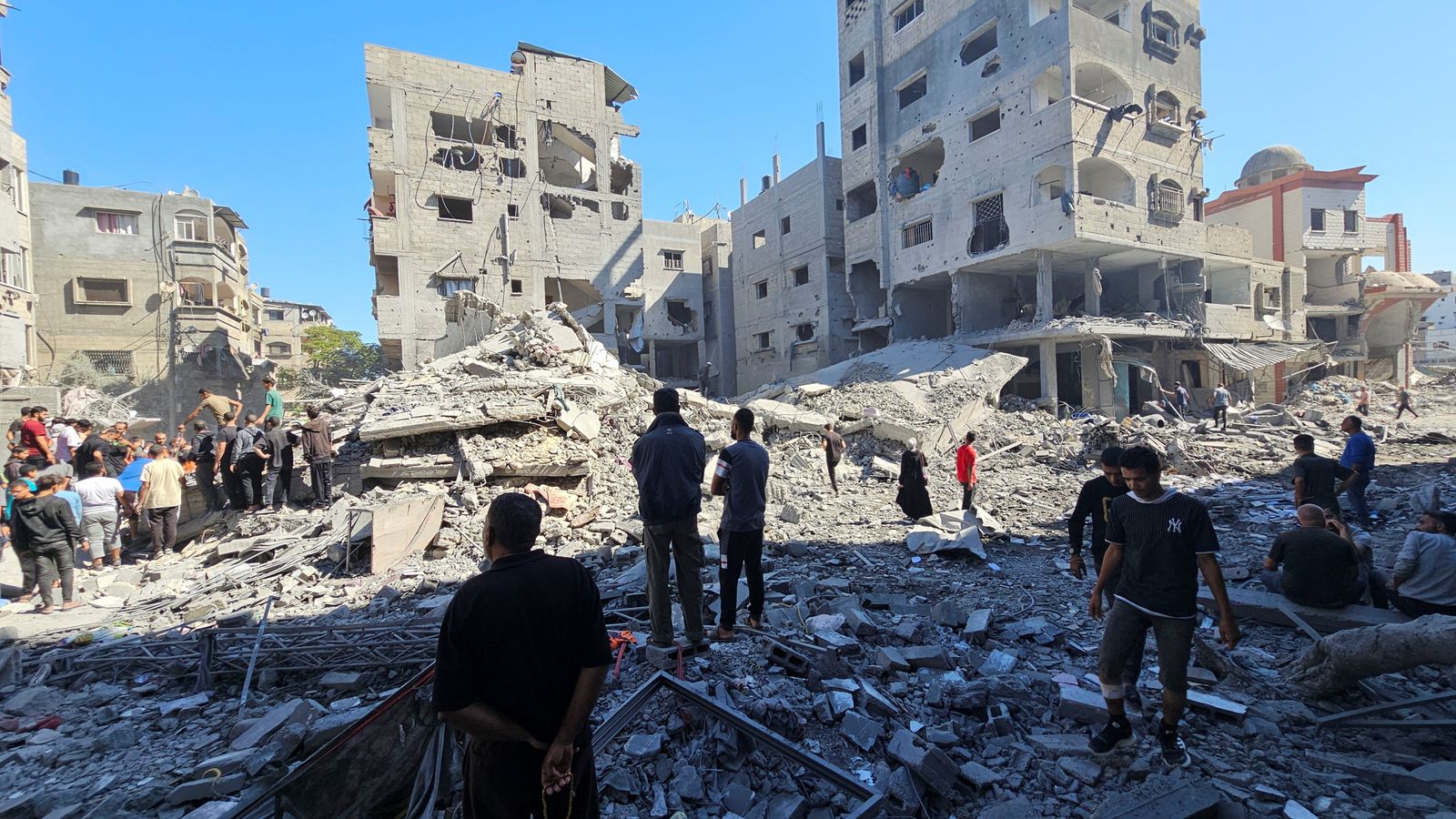
Key details from the latest strikes:
- Location: Northern Gaza City, an area where Israeli forces have intensified ground operations since January.
- Casualties: Six confirmed dead; dozens wounded, including children, according to local reports.
- Timing: Strikes occurred between 2 a.m. and 4 a.m. local time, coinciding with a lull in ceasefire negotiations.
- Humanitarian impact: Rescue efforts were delayed by ongoing Israeli military activity in the vicinity.
The Palestinian Red Crescent reported that at least 15 people were injured in the same strikes, with some suffering critical wounds that required immediate evacuation. However, hospitals in Gaza City are operating at less than 10% capacity due to fuel shortages and repeated Israeli attacks on medical facilities.
Why the discrepancy in death tolls?
Hamas’s Health Ministry has been the primary source of casualty data since the war began, but its figures are often disputed. Critics argue the ministry inflates numbers for political leverage, while supporters note that Gaza’s destroyed infrastructure makes independent counting impossible. The UN’s Office for the Coordination of Humanitarian Affairs (OCHA) has stated that “the true scale of the tragedy may never be known” due to the war’s devastation.
Who is involved in the ceasefire talks, and what are their demands?
Indirect ceasefire negotiations between Israel and Hamas, mediated by Egypt, Qatar, and the United States, have been underway for nearly three weeks without a breakthrough. Both sides have presented non-negotiable demands, creating a deadlock that has allowed the war to continue.
Israel’s position:
Israeli officials, led by Prime Minister Benjamin Netanyahu, insist that any ceasefire must include the release of all 105 remaining hostages still held by Hamas in Gaza. The government has framed the conflict as an existential struggle against Hamas, rejecting calls to halt military operations until its objectives are met. Defense Minister Yoav Gallant has stated that Israel will not accept a “partial deal,” emphasizing that Hamas must be “defeated” before negotiations can proceed.
Hamas’s demands:
Hamas, meanwhile, has insisted on three key conditions:
- A complete withdrawal of Israeli forces from Gaza.
- The lifting of Israel’s 16-year blockade on the enclave.
- A guarantee that no future Israeli military operations will target Gaza.
Hamas has also linked the release of hostages to broader political concessions, including the end of Israel’s occupation of Palestinian territories. The group’s political bureau, based in Qatar, has accused Israel of using hostage negotiations as a “stalling tactic” to avoid addressing Gaza’s humanitarian crisis.
The mediators’ role:
Egypt and Qatar have been the primary intermediaries, shuttling between Israel and Hamas with proposed deals. The U.S., under President Joe Biden, has provided diplomatic cover for Israel while urging a “humanitarian pause” to allow aid deliveries. However, American officials have stopped short of pressuring Israel to halt its military campaign, citing Israel’s “right to self-defense.”
Recent setbacks in negotiations:
Sources close to the talks have reported that the latest round collapsed over disagreements on the sequence of hostage releases and Israeli troop withdrawals. Hamas proposed a phased deal, with smaller groups of hostages freed in exchange for temporary pauses in fighting. Israel rejected this, insisting on a simultaneous, comprehensive agreement.
Analysts warn that the stalemate risks prolonging the war, with both sides digging in as public opinion in their respective strongholds grows increasingly weary of the conflict’s human cost.
Why is the humanitarian crisis in Gaza worsening, and what are the consequences?
Gaza’s humanitarian situation has deteriorated into a full-blown catastrophe, with the UN warning that famine conditions are spreading in the northern part of the enclave. The latest Israeli strikes have compounded the crisis, destroying critical infrastructure and disrupting already fragile aid operations.
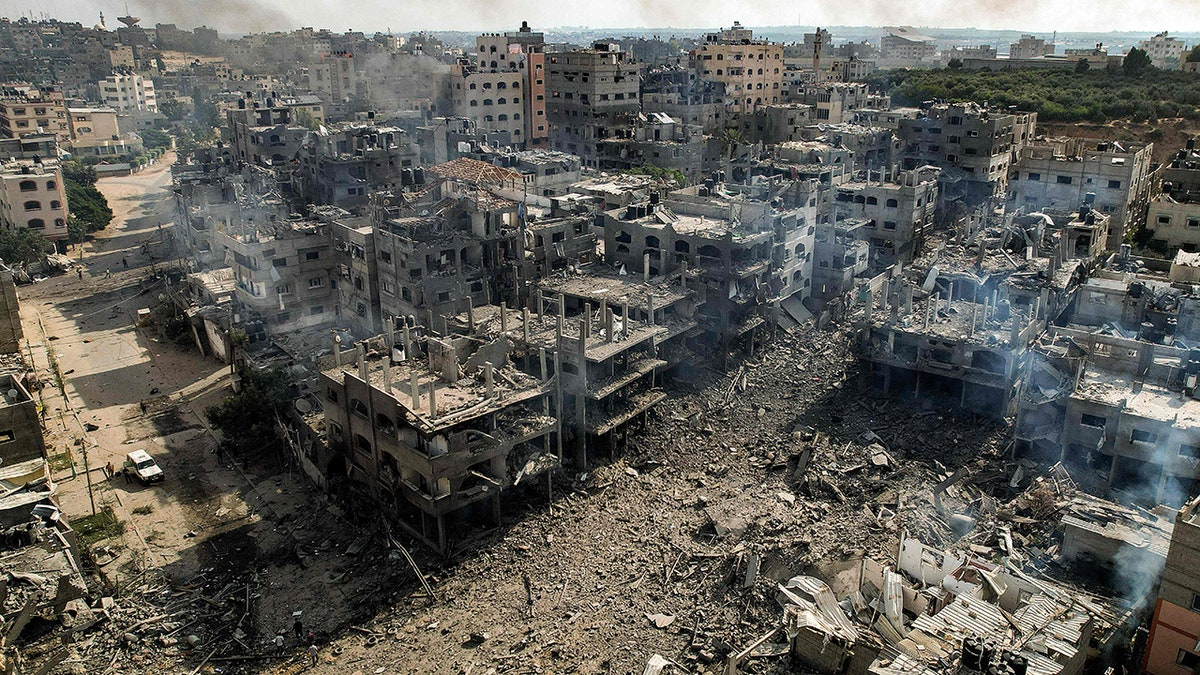
Key indicators of the crisis:
- Food insecurity: The World Food Programme (WFP) estimates that 90% of Gaza’s population—2.2 million people—faces acute food shortages. In northern Gaza, families are reportedly surviving on a single meal a day.
- Aid blockages: Only 10 of Gaza’s 36 border crossings are operational, and even these are subject to Israeli restrictions. The UN has accused Israel of arbitrarily delaying aid convoys.
- Healthcare collapse: Gaza’s hospitals are operating with less than 5% of their pre-war capacity. The UN estimates that 17 of the 36 hospitals remain partially functional, with many running out of medicine and electricity.
- Displacement: Over 1.7 million Palestinians have been displaced, with many sheltering in overcrowded schools or makeshift tents. The UN has described conditions in these sites as “unsanitary and inhumane.”
The role of Israeli military operations:
Israeli forces have intensified ground operations in northern Gaza, targeting what they describe as “Hamas strongholds.” However, these operations have also destroyed water treatment plants, bakeries, and other civilian infrastructure. The Israeli military has stated that its strikes are “precision-targeted,” but Palestinian officials and human rights groups have documented repeated attacks on residential areas, schools, and hospitals.
International responses:
The European Union has condemned the humanitarian situation, with EU foreign policy chief Josep Borrell calling for an “immediate ceasefire.” The UN Security Council has held emergency sessions, but no binding resolution has been passed due to U.S. veto threats. Human rights organizations, including Amnesty International and Human Rights Watch, have accused both Israel and Hamas of war crimes, citing the disproportionate impact on civilians.
Long-term risks:
Experts warn that the prolonged conflict risks creating a “lost generation” in Gaza, with children suffering from malnutrition, trauma, and a lack of education. The UN’s Children’s Fund (UNICEF) has reported that over 1,000 children have been killed in Gaza since October 7, with many more suffering from injuries or psychological distress. The destruction of Gaza’s economy—already one of the poorest in the world—could take decades to reverse.
A comparison with past conflicts:
Gaza’s current crisis echoes the 2008–2009 Israeli offensive, which also resulted in a high civilian death toll and widespread destruction. However, the scale of this war—both in terms of casualties and the duration of the blockade—has surpassed previous conflicts. The 2009 operation lasted 22 days and killed around 1,400 Palestinians, according to Hamas’s figures. By comparison, Gaza’s current death toll is more than 50 times higher, and the blockade has been in place for over six months.
What are the latest reactions from Israel, Hamas, and the international community?
Reactions to the latest strikes and the stalled ceasefire talks have been sharp, with each side blaming the other for the failure to reach an agreement.
Israel:
Israeli officials have dismissed criticism of the military campaign, with Defense Minister Yoav Gallant stating that Israel is “determined to achieve its objectives” in Gaza. The military’s spokesperson, Rear Admiral Daniel Hagari, said in a statement that “Hamas is responsible for the suffering of the Palestinian people,” accusing the group of using civilians as “human shields.” Netanyahu has reiterated that Israel will not negotiate under pressure, stating that “the safety of our citizens and the release of our hostages are non-negotiable.”
Hamas:
Hamas’s political bureau in Qatar condemned the latest strikes, calling them a “war crime” and accusing Israel of “escalating its aggression” to sabotage ceasefire efforts. In a statement, Hamas spokesperson Hazem Qassem said that Israel’s refusal to withdraw its forces was “proof of its bad faith” in negotiations. The group has also accused Egypt and Qatar of failing to apply sufficient pressure on Israel, though it has not ruled out returning to talks if conditions improve.
International community:
Reactions from world leaders have been divided, reflecting broader geopolitical tensions.
- United States: The Biden administration has reiterated its support for Israel’s “right to defend itself” while urging a “humanitarian pause.” Secretary of State Antony Blinken has engaged in multiple calls with Israeli and Palestinian officials but has stopped short of demanding a full ceasefire.
- European Union: EU leaders, including German Chancellor Olaf Scholz and French President Emmanuel Macron, have called for an immediate halt to hostilities, with Macron describing the situation in Gaza as a “humanitarian catastrophe.”
- United Nations: UN Secretary-General António Guterres has warned that the world is “sleepwalking” into a famine in Gaza. The UN’s humanitarian chief, Martin Griffiths, has accused Israel of “collective punishment” and called for the immediate lifting of restrictions on aid.
- Arab states: Saudi Arabia and the UAE have expressed growing frustration with the stalemate, with Saudi Foreign Minister Faisal bin Farhan stating that the conflict was “undermining regional stability.” However, neither country has taken concrete steps to pressure Israel or Hamas.
Human rights groups:
Amnesty International and Human Rights Watch have condemned the latest strikes, with Amnesty’s secretary-general, Agnès Callamard, stating that Israel’s actions amount to “war crimes.” Human Rights Watch has accused both Israel and Hamas of violating international law by targeting civilians and failing to distinguish between combatants and non-combatants.
The International Criminal Court (ICC) has opened an investigation into alleged war crimes in Gaza, with prosecutor Karim Khan stating that his office is “pursuing all available avenues” to hold perpetrators accountable. However, progress has been slow, with political obstacles complicating efforts to gather evidence.
What happens next? The outlook for ceasefire talks and the war in Gaza
The path forward remains uncertain, with both Israel and Hamas appearing dug in as the humanitarian crisis deepens. Analysts suggest three possible scenarios in the coming weeks:
1. Prolonged stalemate with limited humanitarian pauses:
If negotiations continue to stall, the most likely outcome is a continuation of the current pattern—periodic pauses in fighting to allow aid deliveries, followed by renewed hostilities. This scenario would see the death toll rise further, with Gaza’s infrastructure collapsing under the strain. The UN has warned that even a temporary ceasefire would be insufficient to prevent famine, given the scale of destruction.
2. A temporary ceasefire with phased hostage releases:
Some diplomats believe a deal could still be reached if Hamas agrees to release smaller groups of hostages in exchange for limited pauses in fighting. Egypt and Qatar have reportedly proposed a framework where hostages are freed in batches, with Israel gradually withdrawing its forces from certain areas of Gaza. However, Israel’s insistence on a comprehensive agreement remains a major obstacle.
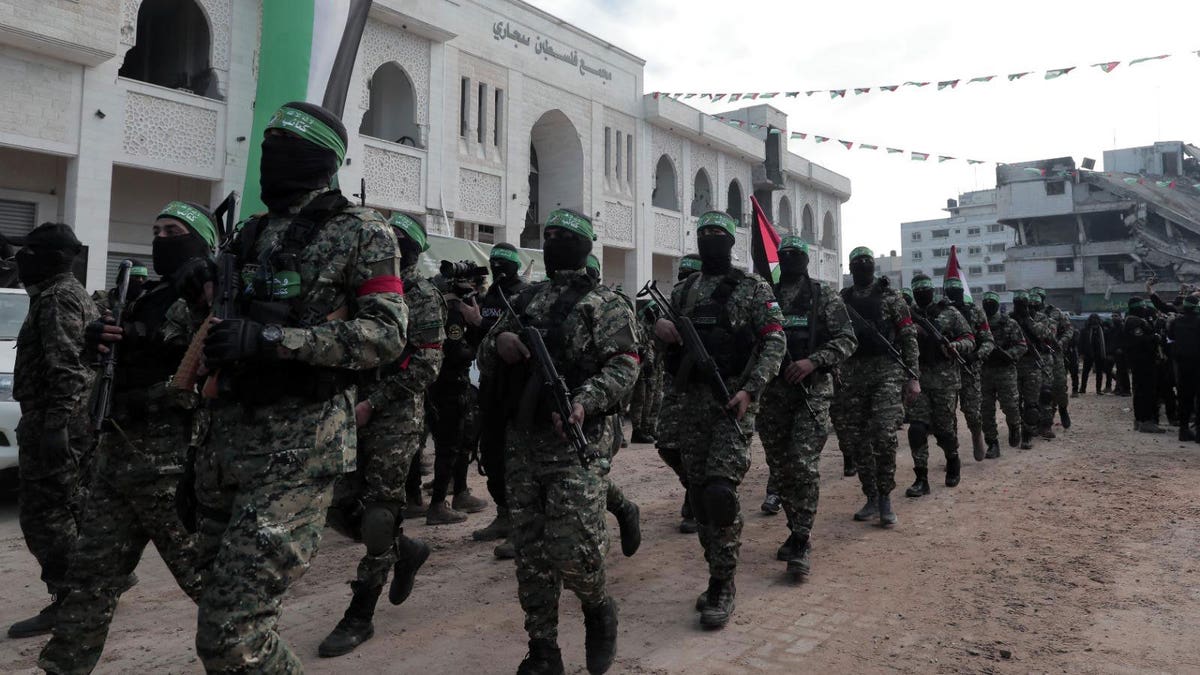
3. Escalation leading to broader regional conflict:
While less likely, some security analysts warn that the war could spiral if Hamas’s military capabilities are not significantly degraded. Iran-backed groups in Lebanon, such as Hezbollah, have already engaged in limited clashes with Israel along the northern border. A wider regional conflict would have devastating consequences, drawing in other Middle Eastern powers and risking a broader war.
Key factors to watch:
- U.S. pressure on Israel: Will the Biden administration increase its leverage on Netanyahu to accept a more limited deal?
- Hamas’s internal divisions: Are there factions within Hamas pushing for a more pragmatic approach to negotiations?
- Humanitarian collapse: Will the famine in northern Gaza force a shift in international priorities?
- Domestic pressure in Israel: Could public opinion, particularly among reservists refusing to serve in Gaza, influence Netanyahu’s strategy?
For now, the war in Gaza shows no signs of abating, with both sides entrenched and the international community struggling to find a solution that addresses the crisis’s root causes.
Frequently asked questions about the latest Gaza violence and ceasefire talks
Why is Israel continuing its military campaign in Gaza despite ceasefire talks?
Israel insists that its military operations are necessary to “defeat Hamas” and secure the release of all hostages. Officials argue that any pause in fighting would allow Hamas to regroup, making a final military solution more difficult. However, critics say the prolonged campaign has achieved little beyond devastating Gaza’s civilian population.
How accurate are Hamas’s death toll figures?
Hamas’s Health Ministry reports the highest casualty figures, but these are difficult to verify independently. The UN and other organizations estimate that the true number may be lower, but the destruction of Gaza’s infrastructure makes accurate counting impossible. The Israeli military does not provide a breakdown of Palestinian casualties, citing Hamas’s use of civilians as human shields.
What is the status of the hostages still held in Gaza?
As of the latest reports, 105 hostages remain in Hamas’s custody, with no confirmed releases in recent days. Hamas has stated that it will only negotiate their return as part of a broader political deal, while Israel demands their immediate and unconditional release. The hostages’ families, many of whom are Israeli citizens, have become a powerful political force, pressuring the government to prioritize their return.
Is there any chance of a full Israeli withdrawal from Gaza?
While Hamas has demanded a complete withdrawal as a precondition for talks, Israeli officials have not indicated a willingness to pull out its forces. The military has stated that it will only withdraw after achieving its stated objectives, which include dismantling Hamas’s military capabilities. Analysts suggest that any withdrawal would likely be gradual and conditional, rather than an immediate and full retreat.
What is the international community doing to stop the war?
The UN, EU, and several Arab states have called for an immediate ceasefire, but their efforts have been limited by political divisions. The U.S. continues to support Israel diplomatically and militarily, while other countries, including China and Russia, have condemned Israel’s actions but stopped short of imposing sanctions or other penalties. Human rights organizations have accused the international community of failing to hold either side accountable for violations of international law.
Could the war in Gaza spread to other regions?
While the immediate risk of a broader regional conflict remains low, tensions along Israel’s northern border with Lebanon have increased. Hezbollah and other Iran-backed groups have engaged in limited clashes with Israeli forces, raising concerns that the war could escalate. However, most analysts believe that neither Israel nor its regional adversaries have an interest in a full-scale war at this time.
What can be done to alleviate the humanitarian crisis in Gaza?
The UN and aid organizations have called for the immediate lifting of restrictions on aid deliveries, including the full reopening of Gaza’s border crossings. They have also urged Israel to allow greater access for humanitarian workers and to cease attacks on civilian infrastructure. However, without a broader political solution, experts warn that the crisis will continue to worsen, with famine and disease becoming major threats.
