
The country music world is bracing for another seismic shift as Garth Brooks, one of the genre’s most iconic and commercially dominant figures, prepares to sell his music catalog in a deal that could redefine the industry’s financial landscape. According to reports, the move—valued at up to $2 billion—marks a pivotal moment for Brooks, whose career has spanned decades and redefined what it means to be a superstar in country music.
Why This Deal Matters
Brooks’ catalog, which includes hits like Friends in Low Places, The Dance and Shameless, represents not just a financial windfall but a cultural touchstone for generations of fans. The sale reflects a broader trend in the music industry, where artists—from Taylor Swift to Beyoncé—have monetized their back catalogs through strategic sales to streaming giants and private equity firms. For Brooks, whose influence extends beyond music into live performances and business ventures, this deal underscores his status as both an artist and a savvy entrepreneur.

Key Details
- A deal valued at up to $2 billion is reportedly in the works for Brooks’ music catalog.
- The sale aligns with a wave of high-profile artist catalog transactions, including those by Swift and Beyoncé.
- Brooks’ catalog includes over 30 years of hits, spanning multiple eras of country music.
- The buyer has not been publicly named, but industry speculation points to a mix of streaming platforms and private equity firms.
A Career Built on Records and Residencies
Brooks’ journey to this moment began in the late 1980s, when his self-titled debut album became a phenomenon, blending country storytelling with rock-infused energy. Since then, he has sold more than 150 million records worldwide, a feat that cemented his place in music history. Beyond studio albums, Brooks revolutionized live performances with his Las Vegas residency, Garth Brooks at the Opryland Hotel, which ran for years and drew record-breaking crowds. His ability to merge chart-topping hits with high-energy stage shows has made him a blueprint for modern touring artists.
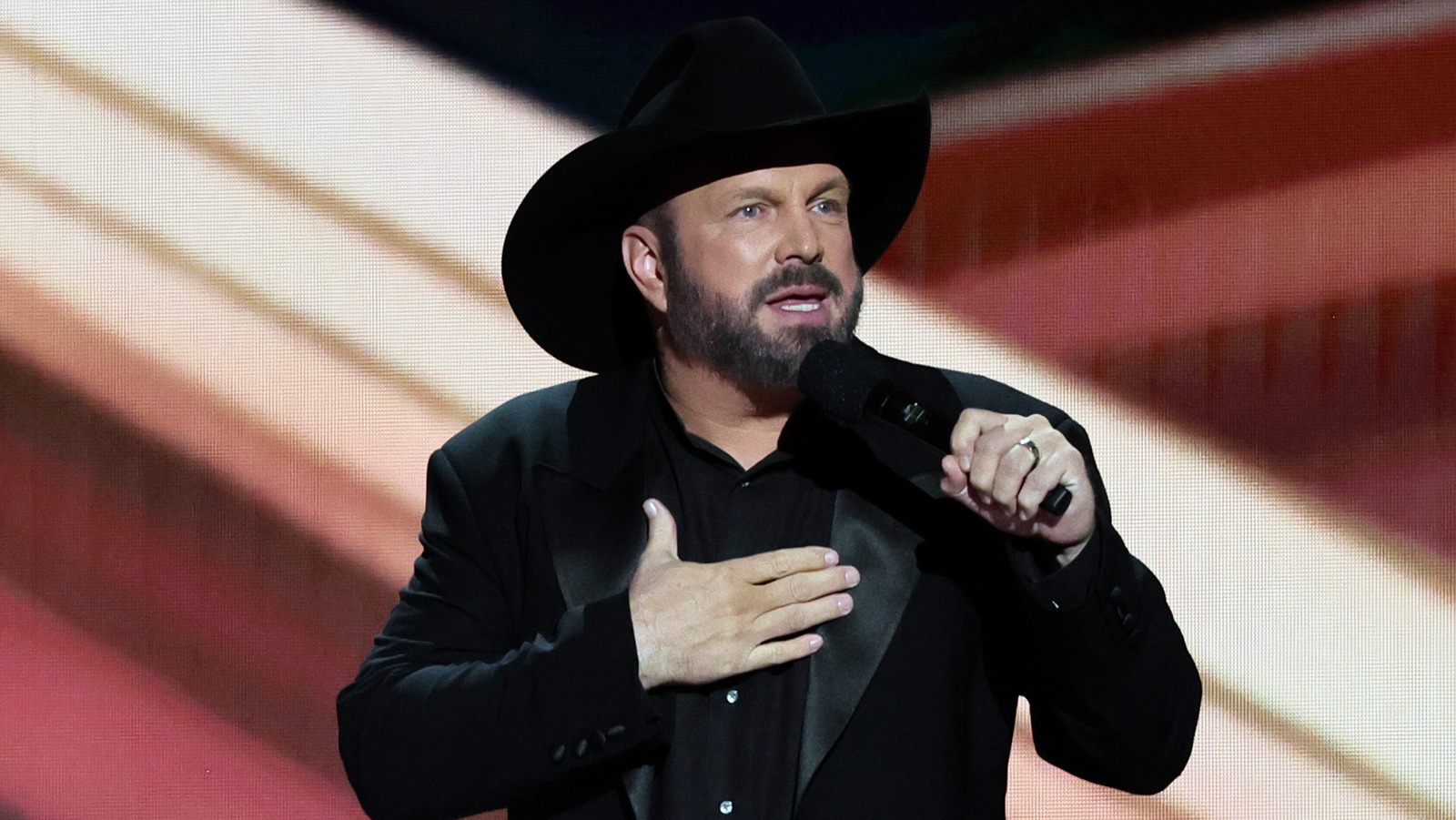
The sale of his catalog is not just about the numbers—it’s about legacy. For artists, catalogs represent more than just songs; they’re the foundation of their brand, their creative identity, and their financial security in an industry where streaming revenues can be unpredictable. Brooks’ move could set a new benchmark for how country artists—particularly those with deep catalogs—navigate the evolving music economy.
Industry Ripples
While Brooks’ deal is still in negotiation, its potential impact is already being felt. The music industry has seen a surge in catalog sales as artists seek to capitalize on their discographies amid rising streaming revenues and corporate interest. For country music, where the business model has often lagged behind pop and hip-hop, Brooks’ sale could signal a shift toward greater financial empowerment for artists in the genre.
Yet, the deal also raises questions about the long-term accessibility of music. As catalogs change hands, the cost of licensing and streaming rights can fluctuate, potentially affecting how fans access their favorite songs. For Brooks’ most devoted followers, the news may come with mixed emotions: pride in his enduring success, tempered by the knowledge that their favorite tracks are now part of a larger financial transaction.
What’s Next for Brooks?
With the catalog sale reportedly in its final stages, Brooks’ immediate focus remains on his ongoing live performances and potential new music. His residency at the Resorts World Casino in Las Vegas continues to draw massive audiences, and rumors of a new album or tour have circulated for years. While the details of the catalog sale are still under wraps, one thing is clear: Garth Brooks is not just selling songs—he’s selling a piece of country music history.

