
Fujifilm Unveils Revolutionary Platform for Discovering High-Affinity Cyclic Peptides Targeting Membrane Proteins
Tokyo — May 7, 2026 — In a landmark advancement for drug discovery, Fujifilm has introduced a novel screening platform designed to identify high-affinity cyclic peptides capable of targeting previously undruggable membrane proteins. This breakthrough leverages the company’s proprietary mRNA display technology, enabling the rapid and efficient isolation of peptide candidates with nanomolar binding affinities. With a demonstrated success rate and a track record spanning over 20 distinct protein targets, Fujifilm’s platform is poised to accelerate the development of next-generation therapeutics, particularly in areas where traditional small molecules and biologics have struggled.
Membrane proteins represent a significant challenge in drug development due to their complex structures and roles in cellular signaling pathways. Historically, these targets have been difficult to engage with conventional drug candidates. However, Fujifilm’s new approach harnesses the unique properties of cyclic peptides—molecules that can be chemically synthesized, exhibit high stability, and penetrate tissues effectively—making them ideal candidates for therapeutic intervention.
How Fujifilm’s Platform Works: mRNA Display and Beyond
At the heart of Fujifilm’s innovation is mRNA display technology, a method that allows for the screening of vast peptide libraries—on the order of over 1013 unique sequences. This technology enables researchers to efficiently identify peptides that bind with high specificity and affinity to target proteins, including those that are notoriously difficult to drug, such as membrane proteins.
The process begins with the submission of a target protein, typically in quantities ranging from 0.1 to 0.5 milligrams and with a purity exceeding 90%. Fujifilm’s platform then screens these targets against a diverse library of cyclic peptides, leveraging both computational and experimental approaches to rapidly identify high-affinity binders. The company’s proprietary methods allow for parallel screening across a wide range of conditions, significantly increasing the likelihood of discovering novel peptide leads.
The Advantage of Cyclic Peptides
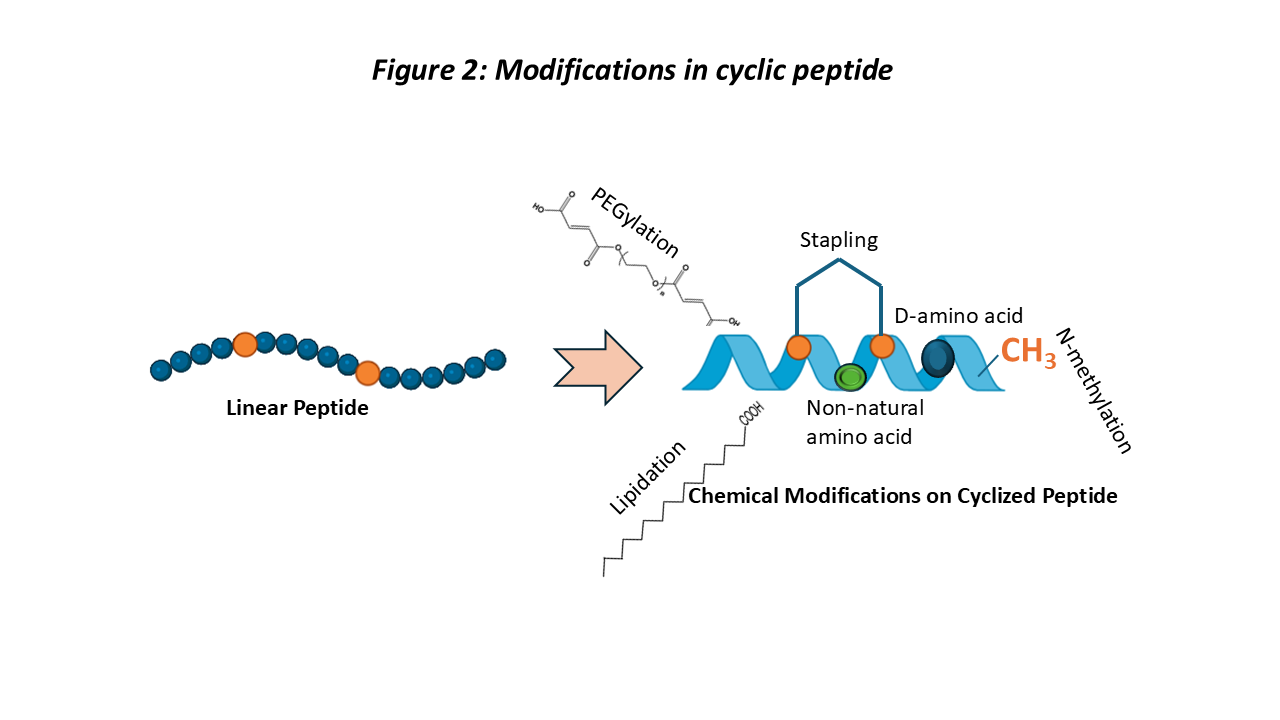
Cyclic peptides, particularly those incorporating unnatural amino acids, offer several distinct advantages over traditional drug candidates. Their compact size and stability allow for better tissue permeability and reduced immunogenicity, making them suitable for oral administration and conjugation with other therapeutic agents. Their ability to act as protein-protein interaction (PPI) inhibitors and drug delivery system (DDS) ligands opens new avenues for targeted therapies, including the delivery of nucleic acid-based medicines directly to diseased cells or tissues.
Fujifilm’s track record underscores the platform’s effectiveness. The company has successfully identified hit peptides for over 20 different targets, achieving high binding affinities in initial screenings. These peptides have demonstrated potential in a variety of applications, from inhibiting fibroblast growth factor receptors (FGFRs) to acting as agonists for mesenchymal stem cell expansion, showcasing the versatility of the technology.
Why This Breakthrough Matters: Addressing the Undruggable
The implications of Fujifilm’s platform extend far beyond the laboratory. Membrane proteins are involved in a wide range of diseases, including cancer, neurological disorders, and metabolic diseases. By providing a robust method for targeting these proteins, Fujifilm’s technology could unlock new treatment options for conditions previously considered intractable.
Traditional drug discovery methods often struggle with the challenges posed by membrane proteins, which are embedded in cell membranes and play critical roles in cellular communication. The ability to identify peptides that can specifically bind to these targets could revolutionize therapeutic strategies, enabling the development of drugs that can modulate signaling pathways with unprecedented precision.
Real-World Applications and Collaborations
Fujifilm’s platform is already making waves in the scientific community. The company’s collaborative projects, such as its joint research with the National Cancer Center to advance innovative cancer treatments, highlight the practical applications of this technology. By focusing on targeted nucleic acid delivery using cyclic peptides, Fujifilm is not only pushing the boundaries of drug discovery but also demonstrating the real-world impact of its innovations.
In addition to its core peptide discovery services, Fujifilm offers comprehensive support, including peptide chemical synthesis and the preparation of target proteins. This end-to-end approach ensures that researchers can seamlessly integrate the platform into their drug discovery pipelines, from initial screening to lead optimization.
Expert Insights and the Future of Peptide-Based Therapies
Industry experts have praised Fujifilm’s platform for its potential to accelerate the development of peptide-based therapeutics. The ability to rapidly screen and optimize peptides for challenging targets could significantly reduce the time and cost associated with traditional drug discovery, ultimately bringing new treatments to patients faster.
Looking ahead, the success of Fujifilm’s platform could pave the way for a new era in drug development, one where cyclic peptides play a central role in targeting previously undruggable proteins. As research progresses, You can expect to see an increasing number of peptide-based therapies entering clinical trials and reaching the market, addressing a broader range of diseases and medical needs.
Key Takeaways
- Novel Platform: Fujifilm’s mRNA display technology enables the discovery of high-affinity cyclic peptides targeting membrane proteins, a class of targets historically difficult to drug.
- Versatile Applications: Cyclic peptides offer advantages in stability, tissue permeability, and conjugation potential, making them ideal for a variety of therapeutic uses.
- Proven Success: The platform has successfully identified hit peptides for over 20 targets, demonstrating its reliability and potential for broad application.
- Accelerated Drug Discovery: By streamlining the screening and optimization process, Fujifilm’s technology could reduce the time and cost of bringing new drugs to market.
- Collaborative Impact: Partnerships with organizations like the National Cancer Center highlight the real-world applications and potential of this innovative approach.
Frequently Asked Questions
What are cyclic peptides, and why are they significant in drug discovery?
Cyclic peptides are short chains of amino acids arranged in a ring structure, which enhances their stability and ability to penetrate tissues. They are significant in drug discovery because they can target proteins that are difficult to drug with traditional small molecules or biologics, such as membrane proteins, and can be chemically synthesized for cost-effective production.
How does mRNA display technology work, and what makes it unique?
mRNA display technology allows for the screening of vast libraries of peptides by linking each peptide to its corresponding mRNA sequence. This enables researchers to identify peptides with high affinity and specificity for target proteins. Fujifilm’s improvements to this technology allow for screening from over 1013 unique peptides, making it uniquely efficient for drug discovery.
What types of diseases could benefit from this technology?
This technology could benefit a wide range of diseases, particularly those involving membrane proteins, such as cancer, neurological disorders, and metabolic diseases. By targeting these proteins, new therapies could be developed to modulate signaling pathways and treat conditions that were previously considered undruggable.

How long does it take to identify a hit peptide using Fujifilm’s platform?
Fujifilm’s platform is designed for rapid screening and selection, with biosynthesis and assay processes enabling the identification of hit peptides in as little as 5 to 7 days for initial candidates. This speed is a significant advantage over traditional chemical synthesis methods, which can take weeks.
Can this platform be used for targets beyond membrane proteins?
While Fujifilm’s platform is particularly well-suited for targeting membrane proteins, its versatility allows it to be applied to a broad range of protein targets. The company has demonstrated success in identifying peptides for over 20 different targets, indicating its broad applicability in drug discovery.
What are the next steps for Fujifilm’s peptide discovery platform?
The next steps involve further validation of the platform in collaborative research projects, expanding its applications to new therapeutic areas, and potentially bringing peptide-based drugs into clinical development. Fujifilm’s ongoing partnerships and presentations at scientific conferences will continue to drive innovation and adoption of this technology.
