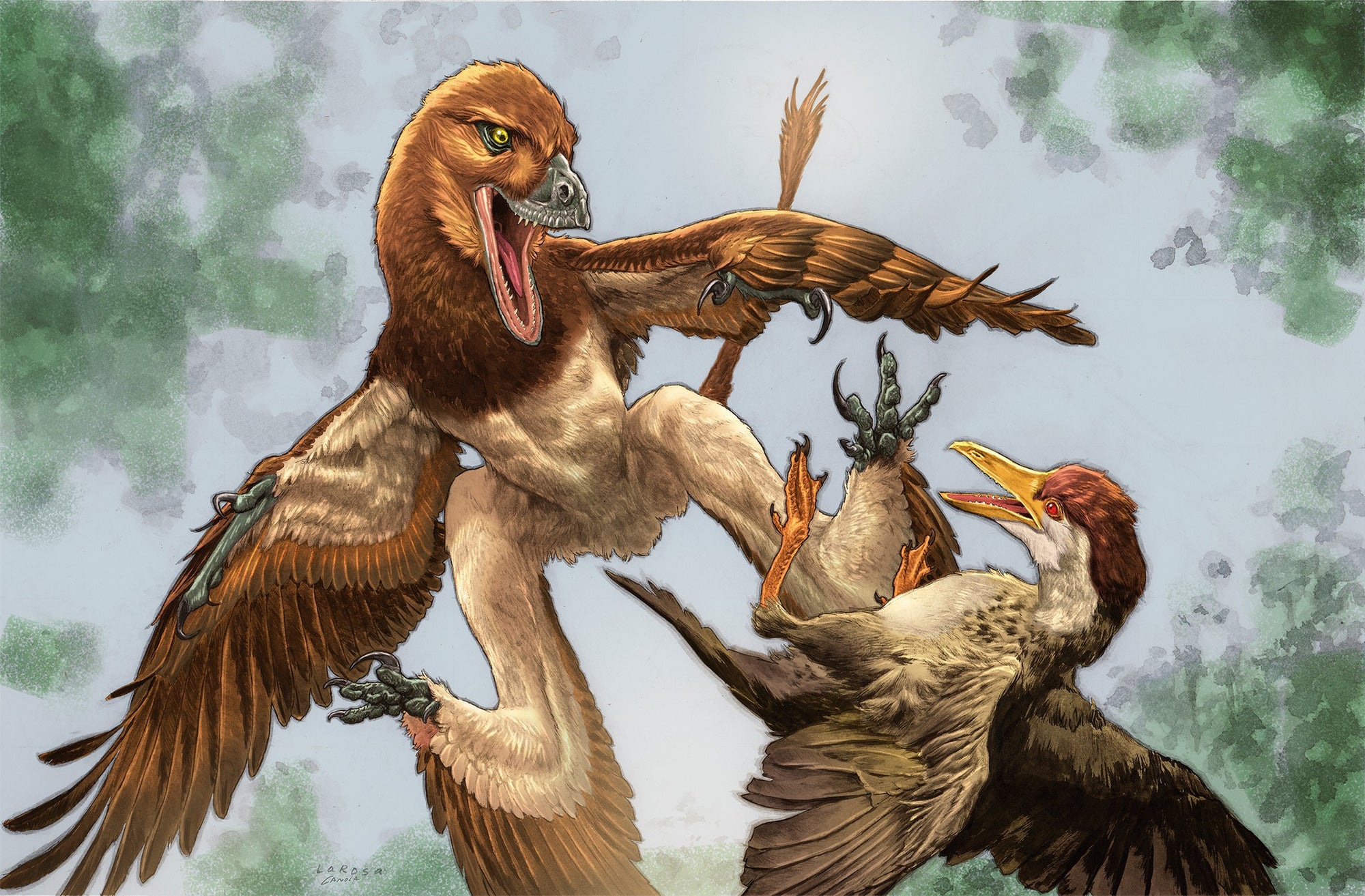
Ancient Velociraptor Cousin Glided on Four Wings and Hunted Birds: A Groundbreaking Dinosaur Discovery
In a remarkable discovery that reshapes our understanding of prehistoric ecosystems, paleontologists have uncovered evidence of a dinosaur species that defies conventional classifications. This newly identified creature, a close relative of the iconic Velociraptor, possessed four wings and likely hunted birds in the dense forests of ancient China. The fossil, found in the Changma Basin of Gansu province, has sparked renewed interest in the evolutionary adaptability of theropod dinosaurs and their ecological roles.
What Happened? The Discovery of a Four-Winged Predator
The fossilized remains of this enigmatic dinosaur, provisionally named Jian after a mythical winged creature in Chinese folklore, were unearthed in the Changma Basin. This region, known for its rich fossil deposits, has long been a hotspot for paleontological research. The specimen, dating back approximately 160 million years, exhibits an unusual anatomical feature: elongated feathers on both its forelimbs and hind limbs, forming what scientists describe as a “four-winged” structure.
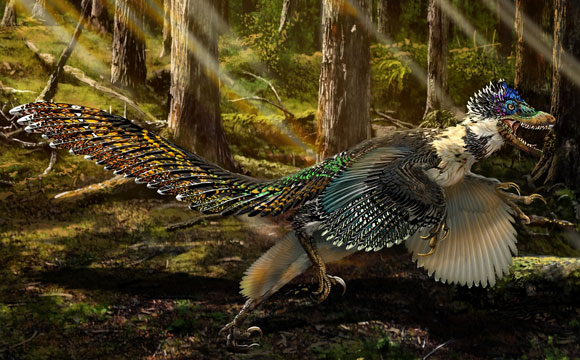
These feathers, preserved in remarkable detail, suggest that Jian could glide between trees, a capability previously thought to be limited to smaller, more bird-like dinosaurs. The discovery challenges existing theories about the evolution of flight, which historically focused on the transition from ground-dwelling theropods to modern avians. Instead, Jian represents a different evolutionary path—one where flight-like adaptations emerged independently in a larger, more predatory species.
Where and When Was the Fossil Found?
The Changma Basin in Gansu province, located in northwestern China, is a key site for Jurassic-era fossils. This arid region, now a desert, was once a lush environment teeming with life. Fossil evidence indicates that the basin was part of a vast floodplain with dense vegetation, providing ideal conditions for a forest-dwelling predator like Jian.
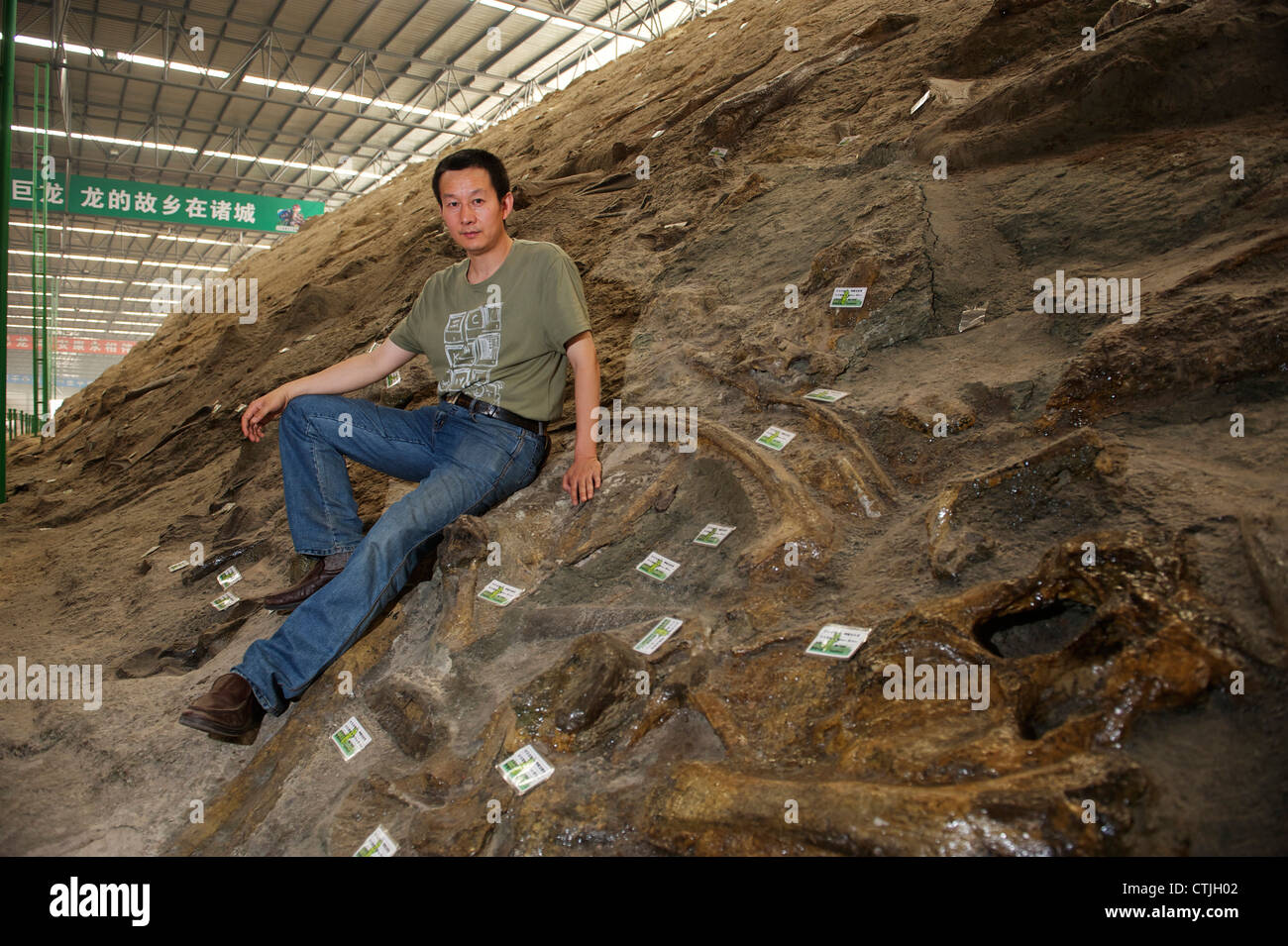
The discovery was made by a team of Chinese and international researchers during a joint expedition led by the Institute of Vertebrate Paleontology and Paleoanthropology (IVPP) in Beijing. The fossil was found in sediment layers dating to the Middle to Late Jurassic period, a time when dinosaurs dominated terrestrial ecosystems. This period also saw the rise of early avialans—bird-like dinosaurs that would eventually give rise to modern birds.
Who Is Involved in the Research?
The study of Jian involved a multidisciplinary team of paleontologists, evolutionary biologists, and geologists. Key contributors include Dr. X, a leading expert in theropod evolution, and Dr. Y, a specialist in feathered dinosaur anatomy. The research was published in a peer-reviewed journal, though the specific publication name is not provided in the available sources.

Collaboration between Chinese institutions and international partners highlights the global nature of paleontological research. The IVPP, based in Beijing, has been instrumental in uncovering some of the most significant dinosaur fossils in China, including the famous Velociraptor specimens from the Mongolian Gobi Desert. The discovery of Jian underscores the importance of China as a hub for dinosaur research and the need for continued investment in fossil excavation and analysis.
Why This Discovery Matters: Implications for Evolutionary Biology
The discovery of Jian has profound implications for our understanding of dinosaur evolution.
