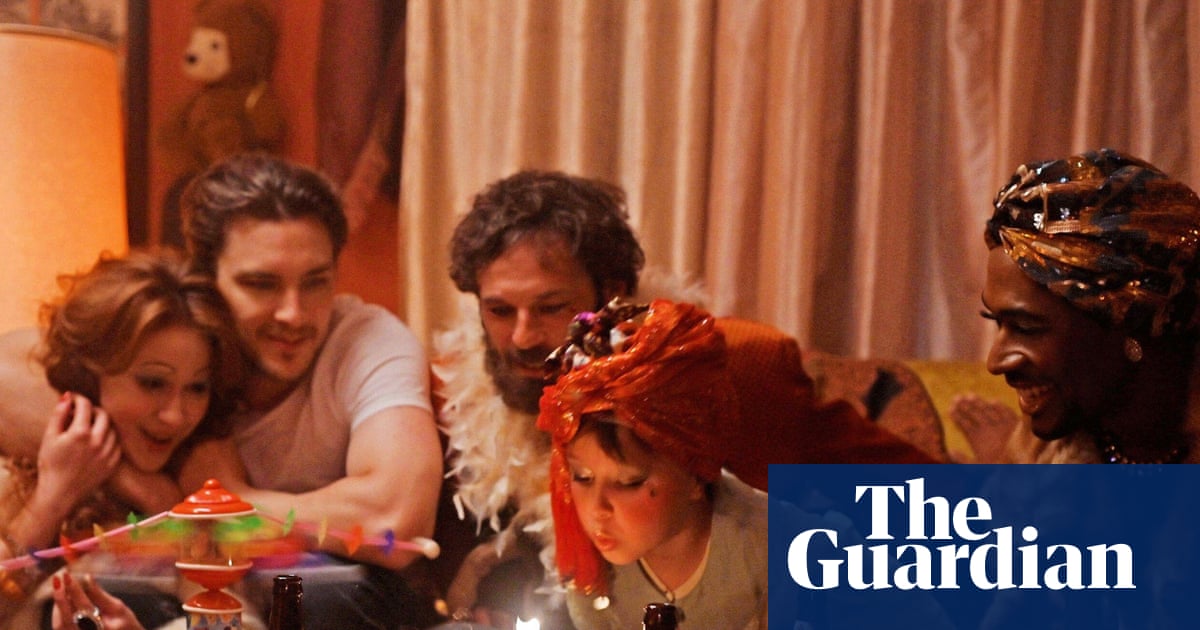
‘Not many people had gay dads who died of Aids’: Andrew Durham and Sofia Coppola on movie memoir Fairyland
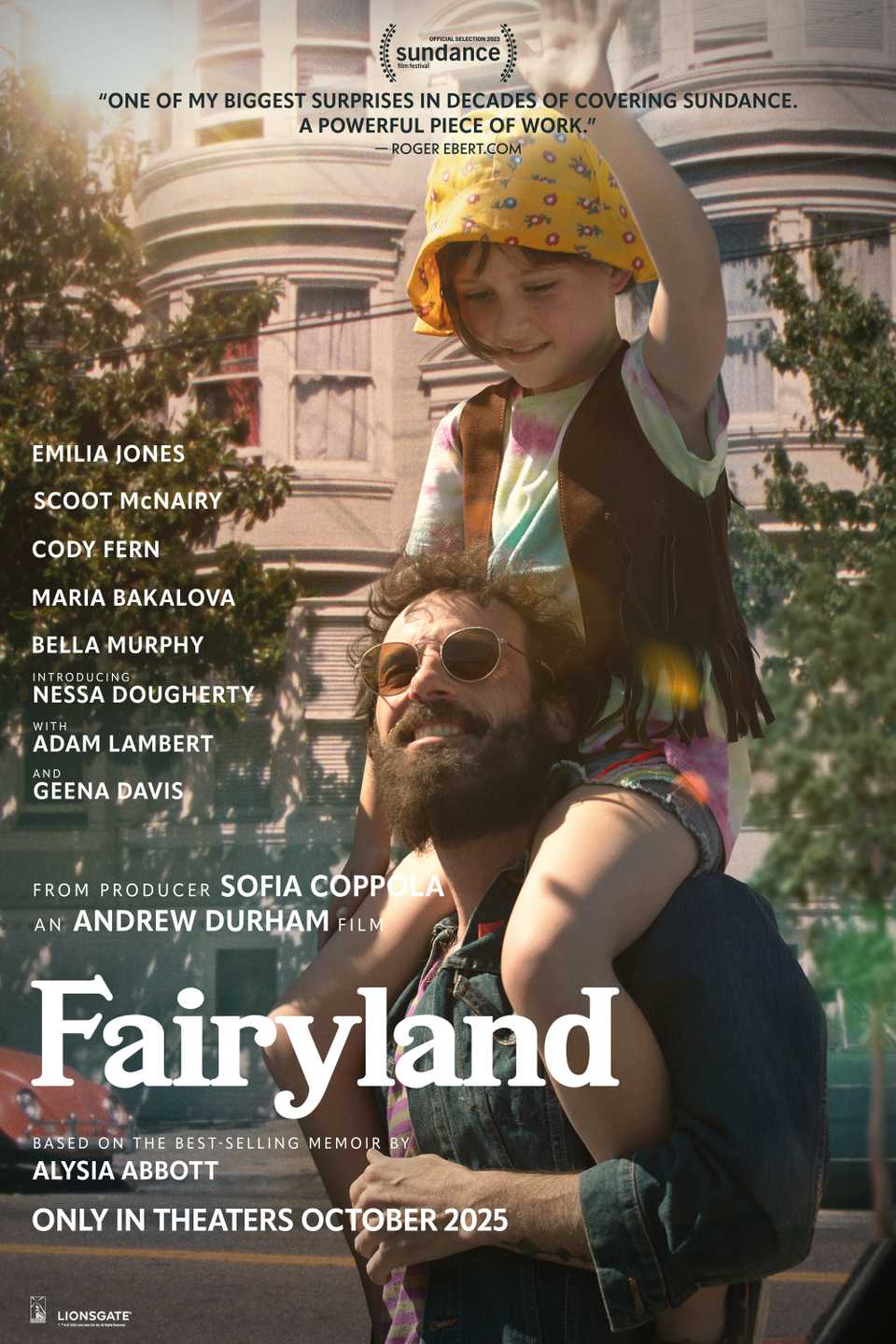
The 2025 release of Fairyland, a cinematic adaptation of Alysia Abbott’s memoir, has sparked renewed conversation about the intersection of family, identity and historical context in 1970s San Francisco. Directed by longtime collaborator Andrew Durham and produced by acclaimed filmmaker Sofia Coppola, the film explores themes of queer parenting, cultural upheaval, and the personal impact of the AIDS crisis through a deeply personal lens.
The Story Behind the Screen
Fairyland is based on Alysia Abbott’s 2013 memoir of the same name, which recounts her childhood in the 1970s and 1980s. The narrative follows young Alysia, whose life changes after her mother’s death when her father, Steve, moves them to San Francisco. There, they join a vibrant, bohemian community that becomes a second family. The story blends humor, heartbreak, and resilience, capturing the transition from the free-love era to the rise of the AIDS epidemic.
Director Andrew Durham, known for his work as a photographer on Coppola’s previous projects, made his feature debut with the film. The project, which took years to develop, premiered at the Sundance Film Festival in 2023 before its nationwide release in 2025. Coppola, who has long admired Abbott’s writing, described the film as “a tribute to the complexity of family and the ways people find belonging in unexpected places.”
The Creative Collaboration
Durham’s connection to the material runs deep. Growing up in the Bay Area, he drew parallels between Abbott’s experiences and his own childhood, particularly the moment his father came out as gay following a divorce. “I grew up thinking that my brother and I were the only kids in the world with a gay dad,” Durham shared in interviews. “Reading Alysia’s story made me realize how many others have lived through similar journeys.”

Coppola, who first worked with Durham on his early short films, emphasized the emotional authenticity of the project. “Andrew has always had a keen eye for storytelling,” she said. “This film isn’t just about the past; it’s about how history shapes the present, especially for LGBTQ+ communities.”
Historical Context and Cultural Significance
The film is set against the backdrop of San Francisco’s transformative decades, from the countercultural movement of the 1970s to the devastating AIDS crisis of the 1980s and 1990s. It portrays the city as both a sanctuary and a battleground, where radical ideals clashed with societal norms. The story’s focus on a single father navigating queer identity during this period highlights the challenges faced by LGBTQ+ families in a time of widespread stigma.
Historians note that the film’s portrayal of the era resonates with broader social shifts. “The 1970s and 1980s were pivotal for LGBTQ+ rights, but also marked by immense loss,” said Dr. Elena Martinez, a cultural historian specializing in 20th-century American history. “Fairyland humanizes these events, showing how personal stories contribute to collective memory.”
Reactions and Critical Reception
Upon its release, the film received praise for its nuanced storytelling and visual style. Critics highlighted its ability to balance nostalgia with the harsh realities of the time. “This is a film that doesn’t shy away from the pain of the past but finds beauty in the resilience of those who lived through it,” wrote one reviewer in The New York Times.
However, some viewers questioned the film’s focus on a white, middle-class perspective. “While the story is powerful, it’s important to acknowledge that not all queer families had the same experiences,” said LGBTQ+ advocacy group GLAAD in a statement. The filmmakers responded by emphasizing that the film aims to spark dialogue rather than provide a definitive narrative.
What Makes This Film Unique?
- Personal Connection: Durham’s own experiences with family and identity infuse the film with authenticity.
- Historical Accuracy: The film incorporates real events and cultural references to ground its story in the 1970s and 1980s.
- Visual Storytelling: Coppola’s direction and Durham’s cinematography create a vivid, immersive portrayal of San Francisco’s vibrant yet troubled past.
FAQ: Key Questions About Fairyland
What is Fairyland about?
Fairyland follows the life of young Alysia as her father moves them to San Francisco after her mother’s death. The film explores their journey through a bohemian community, the challenges of queer parenting, and the impact of the AIDS crisis on their lives.
Why is the film significant?
The film highlights the experiences of LGBTQ+ families during a pivotal era in American history. It offers a personal perspective on the cultural and social changes of the 1970s and 1980s, while also addressing broader themes of family and resilience.
Who are the key figures behind the film?
The film was directed by Andrew Durham, who also served as a photographer on Sofia Coppola’s earlier works. Coppola produced the project, bringing her signature style to the adaptation of Alysia Abbott’s memoir.
Looking Ahead
As Fairyland continues to gain attention,
