
The European Union is accelerating plans for a sweeping defense overhaul that will position Ukraine as a cornerstone of its emerging European Defense Union, according to multiple reports from Polish and EU policy analysts.
Officials and defense strategists say the initiative—still in early drafting stages—reflects a growing consensus in Brussels that the bloc must deepen military integration to counter long-term threats, with Russia’s war in Ukraine serving as both a catalyst and a test case. The move comes as member states grapple with diverging national interests, from Germany’s reluctance to expand arms exports to France’s push for a more autonomous European defense identity.
Why Ukraine’s Role Is Central to the Plan
Ukraine’s potential integration into the EU’s defense architecture is framed as both a strategic and symbolic priority. According to government officials and think tank reports, the bloc aims to leverage Ukraine’s military experience and territorial position as a bulwark against Russian aggression, even as its own defense capabilities remain fragmented.
Key elements under discussion include:
- A European Rapid Reaction Force with Ukrainian units as a core component, though full operationalization could take years.
- Shared procurement initiatives for critical defense technologies, with Ukraine positioned as a key partner in production and training.
- Enhanced intelligence-sharing protocols between EU member states and Kyiv, modeled after NATO’s existing frameworks.
“This isn’t just about sending weapons—it’s about embedding Ukraine into Europe’s defense DNA,” said a senior EU diplomat, speaking on condition of anonymity. “The question is whether member states can align on the speed and scale of this commitment.”
Divided Interests and the Shadow of Great Powers
The proposal has exposed deep divisions among EU nations. Germany, traditionally cautious about escalating military engagement, has signaled support for defense cooperation but remains hesitant to match France’s ambitions for a fully independent European defense structure. Meanwhile, Eastern European states—including Poland and the Baltic nations—have pushed for faster integration, citing direct threats from Russia.
Behind the scenes, the U.S. and Russia are watching closely. American officials have privately encouraged deeper EU defense ties, viewing them as a way to reduce over-reliance on NATO. Moscow, however, has framed the moves as provocative, with Kremlin-linked analysts warning of a “militarized Europe” in response to sanctions and arms shipments.
A leaked draft of the EU’s strategic defense review, obtained by Gazeta SGH, outlines three phases for implementation:
- Phase 1 (2024–2025): Finalizing legal frameworks for joint EU-Ukraine defense projects.
- Phase 2 (2026–2027): Establishing a European Defense Industry Consortium with Ukrainian participation.
- Phase 3 (2028+): Full operationalization of a hybrid EU-Ukraine rapid deployment force.
How This Differs From Past EU Defense Efforts
The current push stands in sharp contrast to earlier EU defense initiatives, which often stalled due to political infighting. Unlike the failed PESCO (Permanent Structured Cooperation) projects of the 2010s—which lacked teeth—this overhaul includes concrete timelines, mandatory contributions from member states, and a direct link to Ukraine’s war effort.
Analysts note that the war has forced EU leaders to confront a reality they long avoided: without a unified defense posture, Europe risks being outmaneuvered by both Russia and the U.S. “The Ukraine factor is the accelerant,” said a defense expert at the Polish Institute of International Affairs. “No one wants to admit it, but the bloc’s survival may depend on how quickly it acts.”
What Happens Next?
The next critical milestone is a scheduled EU summit in December, where member states are expected to approve the outline of the defense reform. If adopted, the plan would require Ukraine’s formal consent—a process that could take months—and would likely face legal and logistical hurdles, including resistance from neutral states like Austria and Ireland.
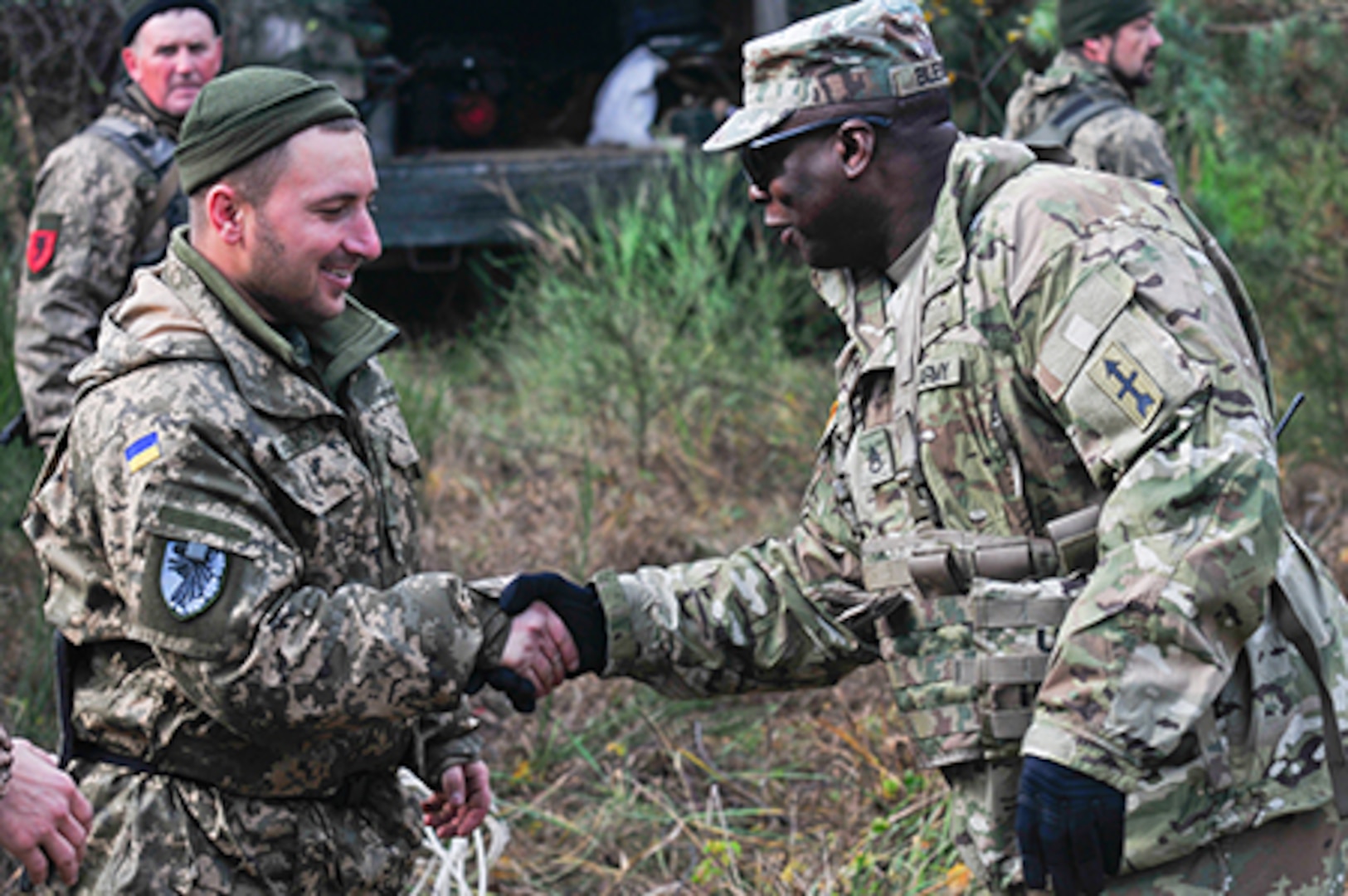
For now, the focus remains on securing political buy-in. “The ball is in the court of the member states,” said a Brussels-based diplomat. “If they can’t agree on the basics, this whole structure collapses before it even begins.”
