
The European Union is targeting a 40% domestic production rate for its green technology by 2030 under the Net-Zero Industry Act, according to local media reports. This policy shift aims to decouple Europe’s energy transition from Asian supply chains, specifically China, to prevent the kind of geopolitical energy leverage previously experienced with Russian gas.
- Production Target: The EU aims to manufacture 40% of its clean-energy technology internally by 2030.
- Strategic Focus: Priority sectors include solar panels, wind turbines, and battery storage.
- Legislative Tools: The Net-Zero Industry Act (NZIA) and the Critical Raw Materials Act are the primary frameworks for this transition.
- Geopolitical Goal: Reducing reliance on Asian imports to achieve “strategic autonomy.”
How the Net-Zero Industry Act Targets Supply Chains
The European Union is shifting toward a protectionist industrial strategy to secure the hardware necessary for its climate goals. According to local media reports, the Net-Zero Industry Act (NZIA) serves as the primary mechanism to incentivize the local production of “strategic” technologies. This includes the manufacturing of photovoltaic cells, heat pumps, and electrolyzers for hydrogen production.
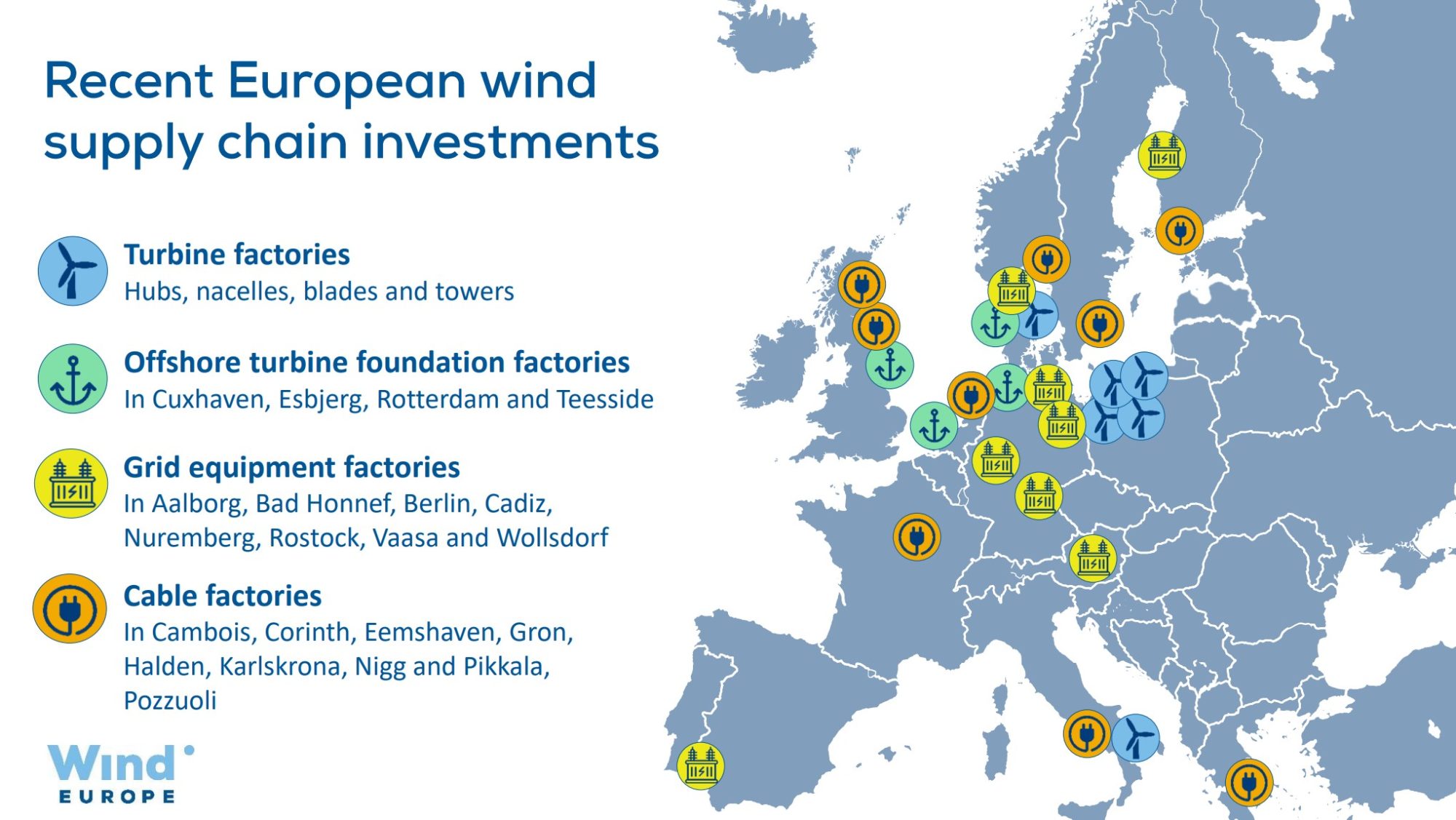
The strategy focuses on reducing the “administrative burden” for companies building these facilities. By streamlining permitting processes and providing financial incentives, the EU intends to compete with the heavily subsidized industrial sectors of Asia, particularly China, which currently dominates the global market for solar and battery hardware.
The Role of Critical Raw Materials
Hardware production is dependent on the availability of specific minerals, a vulnerability the EU is addressing through the Critical Raw Materials Act. According to reports, the EU is concerned that its reliance on Asian processing of rare earth elements and lithium creates a new point of failure in its energy security.
The act focuses on diversifying the sources of these materials to ensure that no single third country provides a disproportionate share of the EU’s strategic raw materials. This involves expanding mining activities within Europe and establishing trade partnerships with a wider array of global suppliers to bypass the current Asian monopoly on mineral refining.
Trade-offs Between Speed and Sovereignty
The move toward “strategic autonomy” introduces a tension between the speed of the green transition and the desire for political independence. While domestic production increases security, it may also increase costs. According to local media analysis, Asian imports—specifically from China—are currently cheaper and more readily available than European-made alternatives.

Industry observers note that strict requirements for local content could potentially slow the deployment of renewable energy if European factories cannot scale up fast enough to meet 2030 targets. The EU is essentially weighing the risk of slower decarbonization against the risk of “energy blackmail” from foreign powers.
Comparing Energy Dependencies
The current strategy is framed as a direct lesson learned from the 2022 energy crisis. Local reports indicate that the EU is treating the transition to renewables not just as a climate necessity, but as a national security imperative. The objective is to avoid replacing a dependence on Russian fossil fuels with a dependence on Asian green technology.
