
R77 Million Worth of Luxury Cars and Properties Linked to Eskom Corruption Frozen
On Tuesday, April 21, 2026, the Special Investigating Unit (SIU) secured a preservation order from the Special Tribunal to freeze assets valued at R76.5 million tied to an alleged procurement fraud at Eskom. The frozen assets include 17 immovable properties and seven luxury vehicles linked to businessman Siyabonga Moses Goodwill Nkosi and his network of trusts. The order prevents the sale, transfer, or concealment of these assets while the SIU investigates irregular contracts and seeks to recover public funds allegedly lost through inflated pricing and manipulated procurement processes at Kusile and Matla Power Stations between 2021 and 2023.
According to the SIU’s investigation, Eskom officials approved purchase orders for electrical relays at R50,000 each, despite the market price ranging between R180 and R450. This discrepancy resulted in a direct financial loss of R73,650,994.87 to the state-owned power utility. To evade formal tendering requirements, officials allegedly split purchase orders to preserve individual transactions below the R1 million threshold, thereby abusing the informal tendering system. False part numbers were too uploaded into Eskom’s systems to restrict bidding to colluding vendors, ensuring that unnecessary equipment was procured and remains unused in storage years later.
Asset Freeze Targets Properties and Luxury Vehicles
The preservation order specifically targets 17 properties and seven luxury vehicles, collectively valued at R76.5 million. These assets are alleged to have been acquired through trusts associated with Nkosi, including the Nkosi Royal Trust, Sibongukukhanya Trust, and Siyabonga Kankosi Trust, of which he was a trustee. The SIU states these trusts were used as conduits to launder funds obtained from the alleged fraud and invest them in prime real estate across Gauteng, KwaZulu-Natal, and Mpumalanga.
The frozen properties are described as high-value holdings in strategic locations, while the luxury vehicles include high-end models typically associated with significant personal wealth. By immobilizing these assets, the SIU aims to prevent any attempt to dissipate wealth before a final determination on the legitimacy of the transactions tied to the Eskom contracts.
Procurement Manipulation at Kusile and Matla Power Stations
The SIU’s investigation revealed a systematic pattern of irregularities in the procurement of electrical relays—critical components used to maintain grid stability at Eskom’s Kusile and Matla Power Stations. Between 2021 and 2023, officials allegedly approved inflated purchase orders that deviated significantly from market pricing. The relays, which should have cost no more than R450 each based on prevailing rates, were procured at R50,000 per unit.
This pricing anomaly was not isolated but part of a broader scheme to divert public funds. By inflating costs and fabricating demand for equipment that was neither needed nor delivered, the alleged conspiracy enabled the generation of fraudulent invoices. The SIU emphasized that the relays in question remain unused in Eskom’s stockpiles, underscoring the lack of legitimate operational justification for the purchases.
Bypassing Formal Procurement Controls
A key element of the alleged fraud involved circumventing Eskom’s formal procurement protocols. Officials are accused of splitting large purchase orders into smaller units, each falling just below the R1 million threshold that triggers mandatory competitive bidding. This tactic allowed transactions to proceed under informal tendering rules, which require less oversight and documentation.
To further manipulate the process, false part numbers were entered into Eskom’s procurement system. These fabricated codes ensured that only pre-selected vendors—allegedly linked to Nkosi’s network—could submit valid bids. Competition was effectively eliminated, and the procurement process was tailored to benefit specific suppliers despite the absence of genuine need for the equipment.
Role of Trusts in Alleged Money Laundering
The SIU alleges that the financial proceeds from the inflated contracts were channeled through a network of trusts to conceal their origin and integrate them into legitimate-looking assets. The Nkosi Royal Trust, Sibongukukhanya Trust, and Siyabonga Kankosi Trust are identified as central to this process. As trustee of these entities, Nkosi is alleged to have exercised control over the disbursement of funds used to acquire the frozen properties and vehicles.
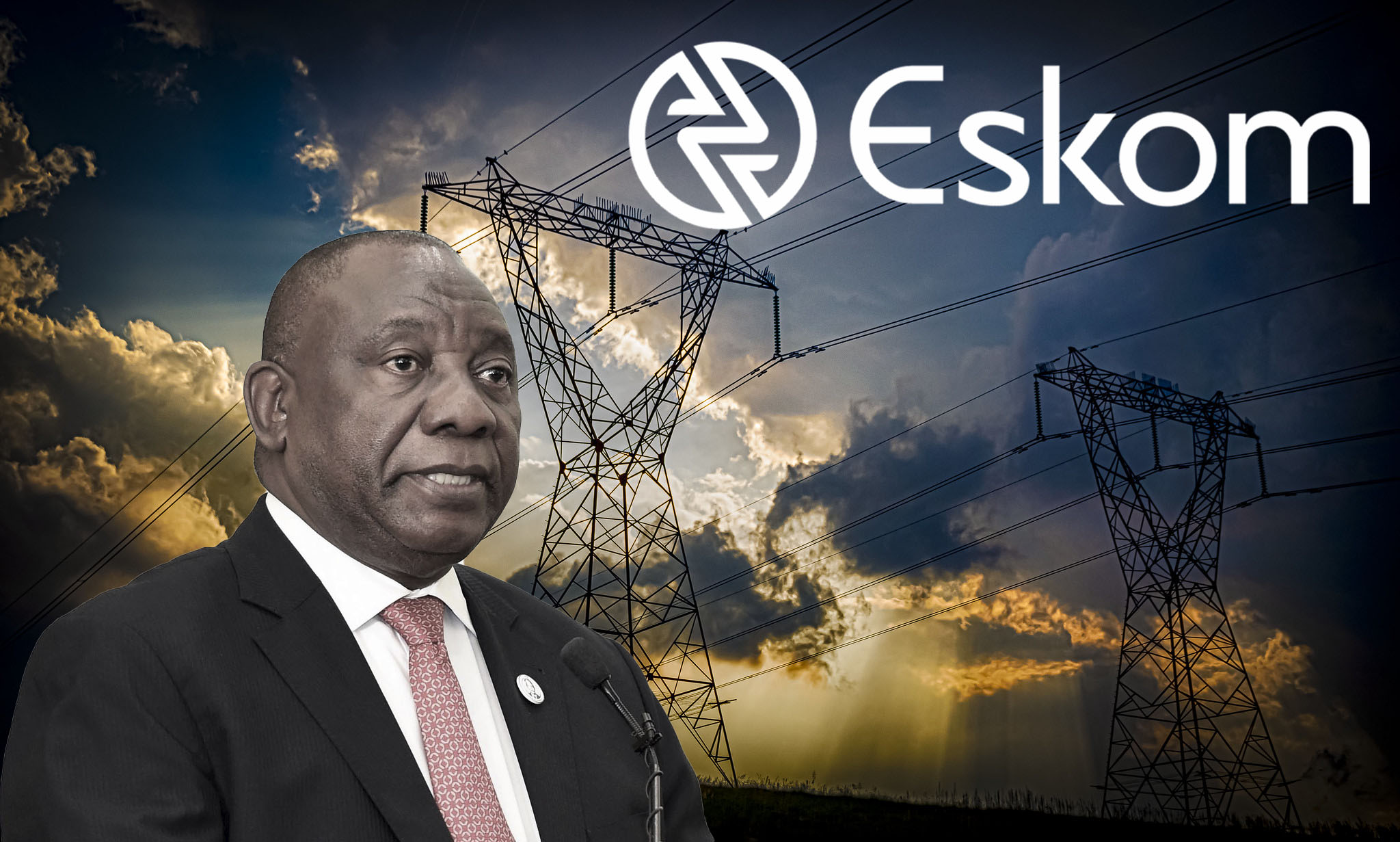
By routing money through trusts, the alleged scheme sought to obscure the trail between the fraudulent Eskom contracts and the eventual purchase of high-value assets. The SIU’s preservation order directly targets these assets, asserting that they represent the proceeds of corruption and must be secured pending further investigation into whether the trusts were used illicitly.
Legal Basis for the Preservation Order
The preservation order was granted by Judge BM Ngoepe of the Special Tribunal, which has jurisdiction over matters related to serious corruption, maladministration, and fraud involving state funds. The SIU explained that such orders are essential to preserve the status quo during investigations, preventing respondents from disposing of or hiding assets that may ultimately be subject to recovery or forfeiture.
The order does not constitute a final finding of guilt but rather a procedural measure to ensure that potential evidence of wrongdoing remains accessible. The SIU emphasized that the freeze allows it to pursue legal avenues to set aside irregular contracts and recover the alleged losses without interference from asset dissipation.
Wider Implications for Eskom and State Procurement
This case adds to a growing body of evidence highlighting vulnerabilities in Eskom’s procurement systems, particularly during a period marked by operational challenges and financial strain. The alleged manipulation of relay purchases at Kusile and Matla—two facilities critical to national power generation—raises concerns about the integrity of supply chain management in state-owned enterprises.
Experts warn that when procurement systems are exploited for personal gain, the consequences extend beyond immediate financial loss. Eroded public trust, increased operational costs, and potential risks to infrastructure reliability are among the broader impacts. The SIU’s action underscores the importance of oversight mechanisms and the role of specialized investigative units in addressing complex fraud involving public funds.
Context of Ongoing Anti-Corruption Efforts
The SIU’s intervention in this matter occurs within a broader national effort to combat corruption and recover misappropriated state assets. Established under the Special Investigating Units and Special Tribunals Act, the SIU has been authorized by the President to investigate serious allegations of maladministration, corruption, and fraud in state institutions.
Recent years have seen increased scrutiny of Eskom’s operations, particularly regarding contract awards and expenditure patterns. While the utility faces significant technical and financial challenges, allegations of corruption compound these difficulties by diverting resources away from essential maintenance and upgrades. The freezing of assets in this case represents one step in a longer process aimed at accountability and restitution.
Reactions and Next Steps
The SIU has stated that the preservation order marks a significant milestone in its efforts to claw back funds allegedly stolen from Eskom. However, the investigation remains ongoing, with the unit continuing to trace financial flows, examine contract documentation, and assess the involvement of both state officials and private actors.
Legal proceedings will determine whether the frozen assets are ultimately forfeited to the state or returned to their current holders. The SIU emphasized that its goal is not punitive measures alone but the recovery of public funds to strengthen Eskom’s financial position and support its mandate of providing reliable electricity.
As the case progresses, It’s expected to draw attention from oversight bodies, media outlets, and civil society groups concerned with governance in state-owned enterprises. The outcome may influence future reforms in procurement oversight, trust transparency, and asset recovery procedures in corruption investigations.
Key Facts at a Glance
| Detail | Information |
|---|---|
| Date of Preservation Order | Tuesday, April 21, 2026 |
| Value of Frozen Assets | R76.5 million |
| Assets Frozen | 17 immovable properties and 7 luxury vehicles |
| Linked Individual | Siyabonga Moses Goodwill Nkosi |
| Associated Trusts | Nkosi Royal Trust, Sibongukukhanya Trust, Siyabonga Kankosi Trust |
| Alleged Fraud Period | 2021 to 2023 |
| Equipment Involved | Electrical relays for Kusile and Matla Power Stations |
| Market Price vs. Paid Price | R180–R450 vs. R50,000 per unit |
| Direct Financial Loss to Eskom | R73,650,994.87 |
| Presiding Judge | Judge BM Ngoepe |
Frequently Asked Questions
- What exactly was frozen in the Eskom corruption case?
- The SIU froze 17 immovable properties and seven luxury vehicles linked to businessman Siyabonga Moses Goodwill Nkosi and his network of trusts, with a combined value of R76.5 million. These assets are alleged to have been acquired using funds obtained through inflated procurement contracts at Eskom.
- Why were the relays purchased at such inflated prices?
- According to the SIU investigation, Eskom officials approved purchase orders for electrical relays at R50,000 each, despite the market price being between R180 and R450. This significant price inflation is alleged to have been part of a scheme to divert public funds through fraudulent invoicing for equipment that was neither needed nor delivered.
- How did officials bypass Eskom’s procurement rules?
- Officials allegedly split large purchase orders into smaller transactions, each kept below the R1 million threshold to avoid triggering formal competitive bidding. False part numbers were also entered into Eskom’s system to restrict bids to pre-selected vendors, effectively eliminating competition and enabling the alleged fraud.
- What role did the trusts play in this case?
- The SIU alleges that Nkosi used the Nkosi Royal Trust, Sibongukukhanya Trust, and Siyabonga Kankosi Trust—as trustee of these entities—to launder funds from the alleged fraud and invest them in high-value properties and vehicles. The trusts are said to have acted as conduits to conceal the origin of the money and integrate it into seemingly legitimate assets.
- Does the freezing of assets indicate guilt has been proven?
- No. The preservation order is a preventive legal measure to stop the sale, transfer, or hiding of assets while the investigation continues. It does not constitute a final finding of wrongdoing but ensures that potential evidence remains available for recovery if fraud is proven.
- What happens next in the investigation?
- The SIU will continue to examine contract records, trace financial flows, and assess the involvement of Eskom officials and private actors. The unit aims to set aside irregular contracts and recover the alleged loss of R73,650,994.87. Final determinations on asset forfeiture or return will depend on the outcome of legal proceedings.
