Veteran South African actor Seputla Sebogodi dies at 63
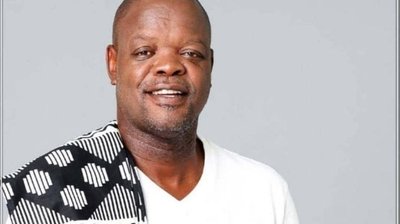
Renowned South African actor and theatre stalwart Seputla Sebogodi has passed away at the age of 63. The industry mourns the loss of a versatile performer.

The South African entertainment sector is mourning the loss of veteran actor and theatre stalwart Seputla Sebogodi, who died on the evening of 15 July 2026. He was 63 years old. The performer, widely recognized as a giant of local stage and screen, passed away following complications related to diabetes, according to a statement released by his family. His passing was publicly announced on 16 July 2026.
The Sebogodi family has appealed for privacy during this period of mourning. They stated that details regarding memorial and funeral services will be shared at a later stage. Since the announcement of his death, tributes have emerged from fans, fellow actors, and public figures across social media, with many identifying the loss as a significant moment for the country’s arts industry.
Related Instagram post
A Career of Versatility
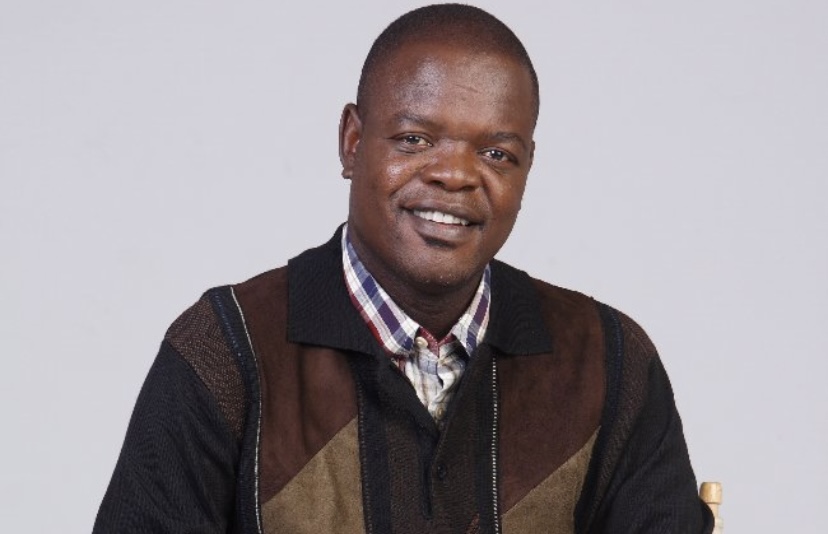
Born on 31 October 1962 in Lady Selborne, Pretoria, Sebogodi began his professional journey in the early 1980s. He received training at Unisa and under the mentorship of the late Gibson Kente. His ascent to national prominence arrived in the 1990s, where he established a reputation for playing complex, emotionally driven characters.
His television work became a staple of South African homes for over four decades. He achieved widespread recognition for his decade-long portrayal of the antagonist Kenneth Mashaba in the SABC1 soap opera Generations, a role that earned him a Safta Award. His extensive television portfolio included:
- Bophelo ke Semphego (as Nkwesheng)
- Suburban Bliss (as Ike Moloi)
- Scandal!
- The River
- Redemption
- Rhythm City
- The Republic
Beyond domestic television, his work reached international audiences through appearances in the film The Woman King. Throughout his tenure, he earned praise for his technical skill and his ability to humanise characters ranging from formidable villains to vulnerable individuals.
Stage and Mentorship
While his screen presence was immense, Sebogodi was also a commanding force in live theatre, particularly during his time performing at the Market Theatre. His work included a performance in Big Dada, where he portrayed Idi Amin, and his role in Place of the Rock – How The Land Was Taken. His stage career spanned various productions, including Waiting for Godot in Africa, Mooi Street Moves, and The Rivonia Trial. As a creator, he also contributed to works such as Black Moon, which he both wrote and performed.
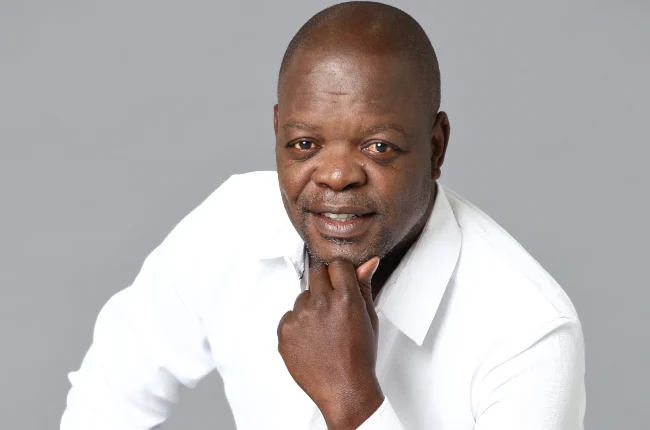
Colleagues frequently identified him as a dedicated mentor who prioritized the craft of storytelling. He remained active in the arts until his final years, balancing his acting work with gospel music and various community engagements. He was a two-time Safta winner, with his awards celebrating both his technical ability and the emotional depth he brought to his roles.
Final Days and Legacy
In the days leading up to his passing, Sebogodi addressed public concerns regarding his well-being. He publicly dismissed rumours circulating on social media regarding his personal state, clarifying that a widely shared photograph of him had been captured on a film set rather than reflecting his current personal circumstances.
He is survived by his family, including his son, Thapelo Sebogodi, who is also a professional actor in the South African film and television industry.
"We are deeply saddened by the passing of legendary actor Seputla Sebogodi, whose remarkable career shaped generations of South African storytelling. From unforgettable performances on television to a powerful presence on stage, his contribution to the arts leaves an enduring legacy that will continue to inspire for years to come."
Actor Spaces
The Sebogodi family has emphasized that his legacy will endure through his extensive body of work, which continues to be viewed as a cornerstone of South African storytelling. Future memorial arrangements remain pending.
Archypedia is dedicated to independent, evidence-backed reporting. This briefing was synthesized from primary source reporting, corroborated across independent newsrooms, and verified against our Editorial Standards.
Transparency record
Evidence behind this report
This report synthesizes 6 distinct sources. Open the source ledger below to compare the underlying coverage.
Prepared under the Archypedia Editorial Policy by the Iris Kane editorial desk profile. AI-assisted tools may support drafting and verification; public accountability remains with Archypedia. Report an error.