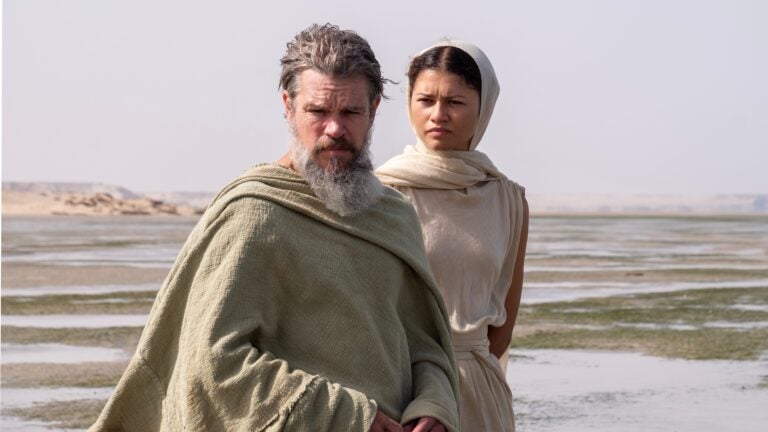
Elon Musk plans to use Grok AI to create historically accurate Odyssey film
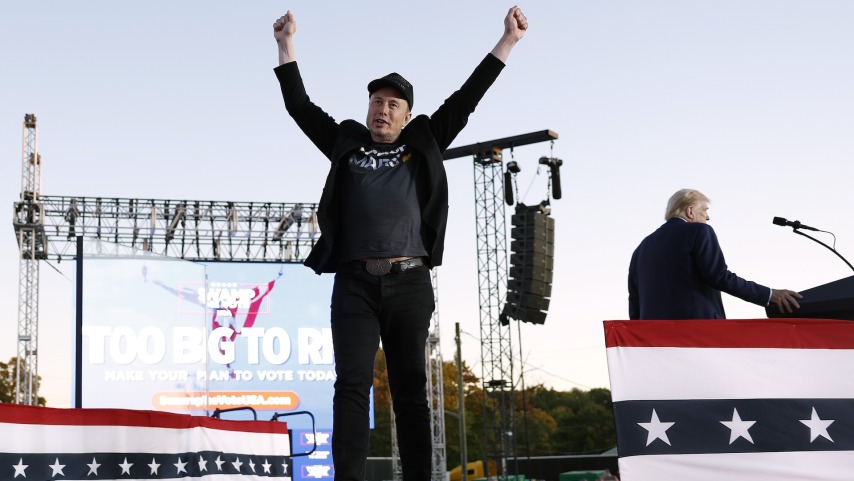
Elon Musk announced plans to create an AI-generated adaptation of Homer's epic after publicly criticizing the casting choices in Christopher Nolan's film.
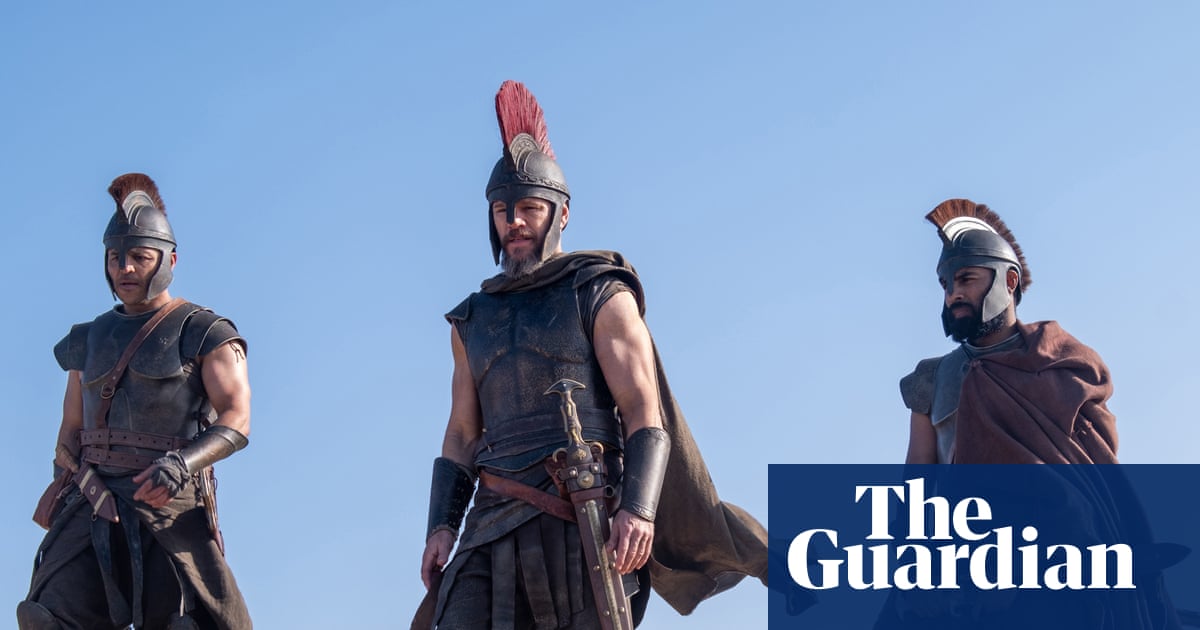
The debate surrounding cinematic depictions of classical antiquity has intensified following a series of public statements from Elon Musk regarding the box office success of Christopher Nolan’s The Odyssey. Following his vocal criticism of the film's casting choices, Musk announced that he plans to utilize his artificial intelligence platform, Grok Imagine, to produce a feature-length adaptation of Homer’s epic that he claims will be historically accurate and true to the art of Homer
.
Musk’s declaration, made via his social media platform X, included a three-minute video clip showcasing a scene between the characters Odysseus and Calypso. The footage, generated by the platform’s tools, has drawn scrutiny from observers who noted visual inconsistencies, including the protagonist wearing earplugs and navigating landscapes featuring tree formations resembling unidentified flying objects. Despite these initial results, Musk maintained that a full-length version would be completed before the conclusion of the calendar year.
Related media

A History of Disagreement
The announcement follows months of public opposition by Musk toward the current theatrical production. He had previously alleged that the director, Christopher Nolan, had lost his integrity
by casting a diverse ensemble for the film. Specific criticism from the tech executive targeted the inclusion of Lupita Nyong’o in the roles of Helen of Troy and Clytemnestra, as well as the casting of trans actor Elliot Page as the character Sinon.
In response to such criticisms, Nolan has maintained that the discourse occurring prior to the film's wide release was largely unproductive.
Nolan has also expressed skepticism regarding the long-term viability of machine-generated content in the industry, labeling the notion that such technology could replace human creativity as"These conversations that happen before people see the film – they’re always irrelevant, because no one having them knows what the film actually is yet."
a nonsense.
Alternative Production Proposals
Beyond his focus on AI-driven filmmaking, Musk has indicated a willingness to support traditional, human-led productions. In an exchange on his platform, he responded with interest to a user’s proposal that he provide $100 million in funding to Mel Gibson. The suggested project would prioritize strict adherence to period-appropriate weaponry, armor, and naval architecture, with all dialogue delivered in Homeric Greek. While Musk responded that he is down
for the venture, industry observers note that Gibson is currently occupied with a two-part sequel project centered on the Resurrection of the Christ.
Market Reception
Despite the online campaign spearheaded by Musk, the current iteration of The Odyssey has seen significant commercial performance. The film secured a global opening weekend gross reported at $264 million. Furthermore, the film maintains a 97% audience approval rating on review aggregator platforms, a metric that analysts suggest has largely insulated the production from the impact of social media criticism.
| Project | Methodology | Stated Goal |
|---|---|---|
| Nolan's The Odyssey | Traditional Cinema | Narrative adaptation |
| Grok Imagine Project | AI Generation | Historical accuracy |
| Proposed Gibson Film | Traditional Cinema | Authentic language and period design |
What to Watch Next
- Box Office Performance: Analysts are monitoring how long The Odyssey maintains its current market dominance before the scheduled release of Spider-Man: Brand New Day.
- Production Updates: Observers are tracking whether the proposed collaboration with Mel Gibson moves beyond online discussions, particularly in light of the director's existing commitments for 2027 and 2028.
As the entertainment industry continues to grapple with the integration of new technologies, the discourse surrounding the representation of historical texts remains polarized. While experts point to the inherent contradictions in aiming for historical accuracy
in a work of fiction written during the 7th or 8th century BC, the competing visions for the future of the medium underscore a broader conflict between emerging digital production tools and traditional filmmaking methods.
Archypedia is dedicated to independent, evidence-backed reporting. This briefing was synthesized from primary source reporting, corroborated across independent newsrooms, and verified against our Editorial Standards.
Transparency record
Evidence behind this report
This report synthesizes 5 distinct sources. Open the source ledger below to compare the underlying coverage.
Prepared under the Archypedia Editorial Policy by the Iris Kane editorial desk profile. AI-assisted tools may support drafting and verification; public accountability remains with Archypedia. Report an error.