
England vs New Zealand LIVE: Third Test, Day One at Trent Bridge – Score, Updates and Highlights
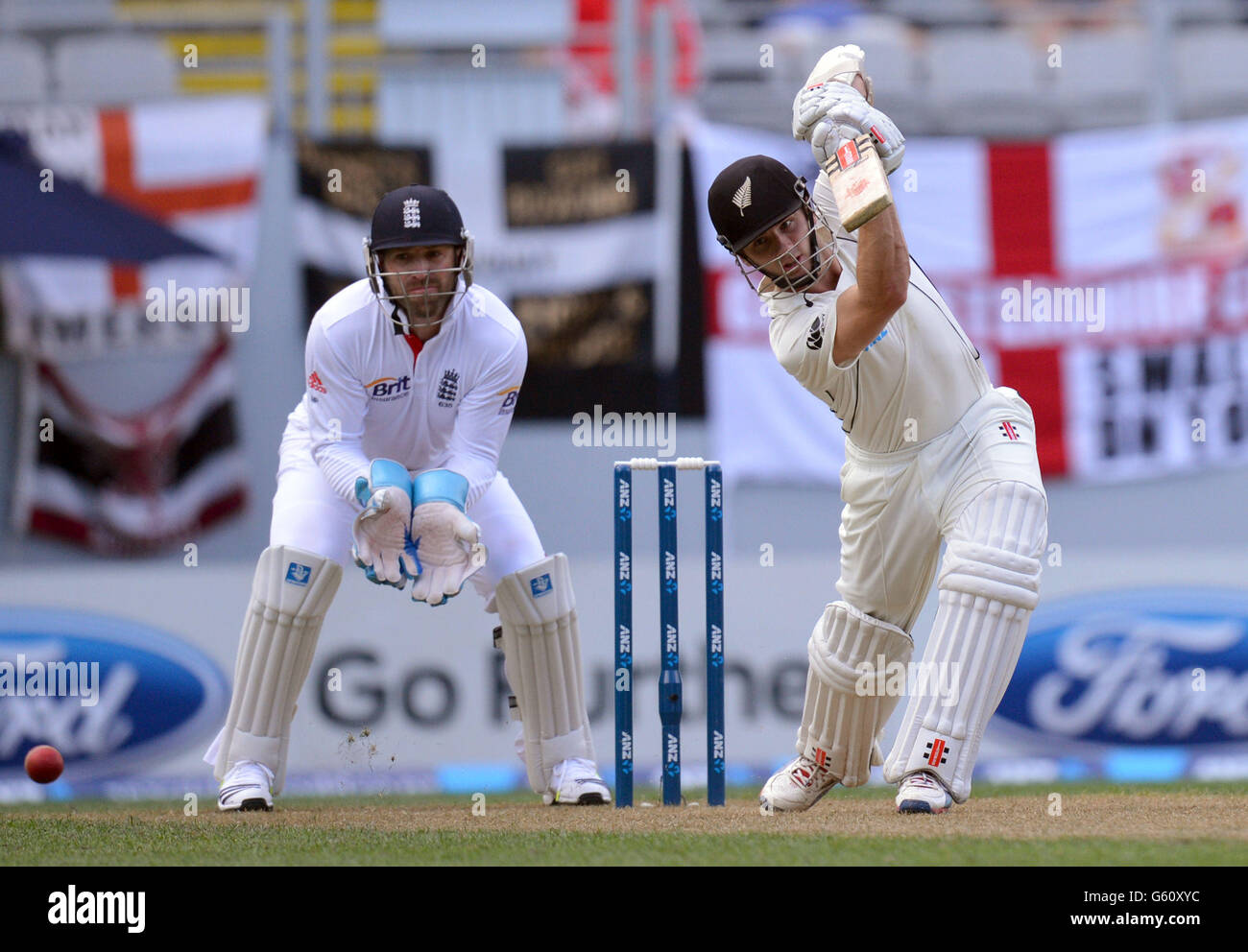
England and New Zealand begin the Third Test at Trent Bridge, with England seeking to leverage their aggressive batting philosophy against a disciplined New Zealand bowling attack. The match opens on a surface traditionally known for favoring swing and seam, making the first day’s session critical for whichever side wins the toss. Fans can track the England vs New Zealand LIVE: Third Test, day one, Trent Bridge – cricket score, radio & video highlights – BBC and other major outlets to monitor real-time developments.
Current Match Status and Day One Expectations
The opening day at Trent Bridge centers on the battle between England’s “Bazball” approach and New Zealand’s tactical patience. According to pitch reports, the surface shows signs of early moisture, which typically assists fast bowlers in the first two sessions. England enters the match aiming to maintain a high scoring rate to put pressure on the visitors, while New Zealand focuses on restrictive line-and-length bowling to induce errors.
The primary objective for the first day is the establishment of a dominant first-innings total. For England, this means navigating the new ball without collapsing—a recurring risk with their high-risk strategy. For New Zealand, the goal is to utilize the overhead conditions in Nottingham to secure early wickets and stifle England’s momentum.
- Toss Impact: Winning the toss at Trent Bridge often dictates strategy; captains typically opt to bowl first if clouds are present to exploit swing.
- Weather Forecast: Intermittent cloud cover is expected, which historically increases the effectiveness of swing bowling at this venue.
- Key Objective: Control of the first 30 overs will likely determine the trajectory of the first two days.
Why Trent Bridge Dictates the Match Dynamics
Trent Bridge is not a neutral venue. It is widely regarded as one of the most “bowler-friendly” grounds in England, particularly for those who can move the ball late. The atmospheric conditions in Nottingham often create a “swing bowl” environment that can dismantle batting lineups regardless of their form.
Historical data indicates that the pitch tends to offer significant lateral movement on day one. As the match progresses, the surface typically flattens out, making the initial hours the most volatile period of the game. According to venue analysts, the slope and the wind direction at Trent Bridge can play a subtle role in how the ball deviates after pitching, often challenging the batter’s judgment of the “off-stump” line.
The Role of the New Ball
The first 15 overs are the most dangerous. New Zealand’s seamers will look to hit the “corridor of uncertainty”—the area just outside off-stump—to force edges to the slip cordon. England’s openers face the challenge of balancing their natural aggression with the need for survival during this window. If England can survive the first session without losing more than two wickets, the pressure shifts heavily toward the New Zealand bowlers.
Pitch Degradation and Spin
While seam dominates early, the Third Test will see a shift toward spin as the match enters day three and four. However, the initial success of the fast bowlers determines how much “work” the spinners have to do. A quick collapse on day one leaves less time for the pitch to wear down, potentially leading to a draw or a fast-paced victory.

Tactical Clash: Bazball vs. New Zealand’s Discipline
The strategic divide between these two teams is stark. England has adopted a philosophy characterized by extreme aggression, prioritizing run rate over traditional wicket preservation. This approach, often termed “Bazball,” aims to demoralize the opposition by scoring quickly and taking the game away from the bowlers.
New Zealand, by contrast, employs a method of “calculated attrition.” According to match analysts, the Black Caps rely on exceptional fielding and a bowling strategy that focuses on drying up runs to frustrate the batter. This creates a psychological battle: England wants to force the game forward, while New Zealand wants to slow it down and wait for the mistake.
| Strategic Element | England’s Approach | New Zealand’s Approach |
|---|---|---|
| Batting Philosophy | High-risk, high-reward; aggressive scoring. | Traditional; focus on stability and partnerships. |
| Bowling Intent | Attacking fields; seeking wickets via pressure. | Restrictive lines; inducing errors through patience. |
| Field Settings | Often aggressive with close-in catchers. | Balanced, focusing on boundary protection and slips. |
| Risk Profile | Very High. | Moderate to Low. |
This contrast often leads to volatile scorecards. England may score 100 runs in a single session but lose five wickets in the process. New Zealand may score more slowly but build a foundation that is harder to dismantle. The Third Test will test whether England’s aggression can break through New Zealand’s defensive discipline on a pitch that naturally favors the bowler.
Key Player Matchups to Watch
The outcome of day one will likely be decided by a few critical individual battles. These matchups represent the intersection of the two teams’ opposing philosophies.
The Opening Burst
The battle between New Zealand’s leading strike bowler and England’s openers is the focal point. New Zealand’s ability to find early movement will determine if England can start their aggressive scoring early or if they are forced into a defensive shell. If the openers can weather the storm, they can exploit the field once the bowlers tire.
The Middle-Order Stability
England’s middle order is where the “Bazball” effect is most pronounced. New Zealand’s spinners will attempt to tie down the scoring rate, forcing the English batters to take risks. The struggle here is between the batter’s desire to attack and the bowler’s ability to maintain a tight line. A single partnership of 50+ runs at a rapid pace can shift the entire momentum of the match.
The Tail-End Resistance
New Zealand often possesses a “long tail,” meaning their lower-order batters are capable of adding crucial runs. England’s bowlers must remain disciplined to avoid letting New Zealand slip away with an extra 30 or 40 runs, which could be the difference in a close game.
Series Context and Historical Significance
This Third Test is not just about a single match; it is about the broader momentum of the series. In Test cricket, the third match often serves as the pivot point. A victory for England would put them in a commanding position, while a New Zealand win would level the psychological playing field.
Historically, England vs New Zealand contests have been characterized by sportsmanship and high technical quality. However, the recent shift in England’s playing style has added a layer of unpredictability. New Zealand has a history of performing well in English conditions, often utilizing their familiarity with swing and seam to neutralize the home advantage.
“The challenge for New Zealand is to not get sucked into England’s pace. If they try to match the aggression, they play into England’s hands. If they stay patient, they force England to take risks they might not need to take.”
The historical record at Trent Bridge shows a slight edge for the home side, but New Zealand’s ability to adapt to the “English summer” makes them a dangerous opponent. The mental fatigue of bowling to an aggressive lineup for 100+ overs is a factor that New Zealand’s captain must manage carefully.
How to Access Live Coverage and Highlights
For fans unable to attend Trent Bridge, multiple digital avenues provide real-time updates. The search for “England vs New Zealand LIVE: Third Test, day one, Trent Bridge – cricket score, radio & video highlights – BBC” leads to several critical resources.
- Live Text Commentary: Provides ball-by-ball updates, including detailed descriptions of deliveries, boundaries, and wickets. This is the fastest way to track the score.
- Radio Broadcasts: Offers expert analysis and atmospheric sound from the ground, allowing listeners to understand the “feel” of the match.
- Video Highlights: Short-form clips of key wickets and boundaries are typically released at the end of each session, providing a visual summary of the day’s action.
- Scorecards: Detailed statistical breakdowns including strike rates, economy rates, and partnership data.
Using these tools allows fans to track the “flow” of the game. For instance, watching the dip in the run rate via the live scorecard can signal a period of New Zealand dominance, while a spike in the scoring rate indicates England has successfully shifted the momentum.
Common Misconceptions About the “Bazball” Strategy
There is a frequent misunderstanding that England’s aggressive approach is simply “reckless” batting. In reality, it is a calculated attempt to change the mathematics of Test cricket. By scoring at a rate usually reserved for One Day Internationals (ODIs), England aims to create winning opportunities in matches that would traditionally end in a draw.
Another misconception is that this style ignores the conditions. While they attack more, England’s batters are still mindful of the pitch; they simply choose to counter-attack rather than defend. At Trent Bridge, this means they may accept that a few wickets will fall in exchange for the ability to score 400 runs in a single day, thereby putting the opposition under immense psychological pressure.
New Zealand’s approach is sometimes viewed as “passive,” but it is actually a form of active containment. By limiting the scoring options, they force the batter to manufacture shots that aren’t naturally there, which often leads to the very wickets England’s aggression risks.
What to Monitor as the Day Progresses
As day one unfolds, several key indicators will reveal who is winning the tactical battle:
- The Over-Rate: If New Zealand can keep the over-rate high, they maintain pressure. If England’s aggression forces slow overs, the rhythm is broken.
- The Slip Cordon: Watch the activity in the slips. Frequent “near misses” suggest the bowlers are hitting the right spot, and a wicket is inevitable.
- The Boundary Count: A high number of boundaries for England suggests they have neutralized the swing. A low count suggests New Zealand has successfully “dried up” the runs.
- Bowling Rotations: Notice when the captain brings on the spin options. Early introduction of spin can be a sign of confidence or a desperate attempt to break a partnership.
These markers provide a deeper understanding of the match beyond the raw score. A score of 150/3 after 40 overs looks good on paper, but if those runs came from only two batters and the rest struggled, the position is more fragile than it appears.
Comparative Performance Metrics
When comparing the two sides, analysts often look at the “Run Rate vs. Wicket Loss” ratio. England typically accepts a higher wicket loss for a significantly higher run rate. New Zealand prefers a lower run rate with a much slower rate of wicket loss. The winner of the Third Test will likely be the team that manages this trade-off most effectively given the Trent Bridge conditions.
For those seeking further context, a related explainer on Test cricket strategies can provide a deeper look into how modern batting philosophies are evolving globally.
Frequently Asked Questions
Where can I find the live score for England vs New Zealand Third Test?
The live score is available through the BBC Sport website, official cricket scoring apps, and major sports news outlets. These platforms provide ball-by-ball updates and real-time scorecards for the match at Trent Bridge.

What is the significance of Trent Bridge for this match?
Trent Bridge is known for its swing-friendly conditions. This makes it a challenging venue for batters and a paradise for seam bowlers, especially on day one when the ball is new and the atmosphere is humid.
How does “Bazball” affect the Third Test?
England’s “Bazball” approach means they will likely score faster than traditional Test teams. This puts pressure on New Zealand’s bowlers to maintain discipline and can lead to a faster-paced game with more decisive results.
Where can I watch video highlights of the match?
Video highlights are typically available on the BBC Sport website and official social media channels of the cricket boards. These are usually updated at the end of each session and at the end of the day’s play.
Who is favored to win the Third Test?
While England has the home advantage and a potent attacking strategy, New Zealand’s discipline and history of success in English conditions make them strong contenders. The toss and the early weather conditions will be the primary deciding factors.
