
Black Caps 36-3 chasing 254 after England removes Williamson late on day two – 1News
The first Test at Lord’s has taken a dramatic turn, leaving the New Zealand national team in a precarious position as they navigate a challenging fourth-innings chase. In a sequence of events that shifted the momentum entirely in favor of the hosts, the Black Caps 36-3 chasing 254 after England removes Williamson late on day two – 1News reports, highlighting a collapse that has left the visitors reeling at the close of play.
Entering the chase with a target of 254, New Zealand hoped to maintain composure and grind out a victory on one of cricket’s most historic grounds. However, the late-day surge by the English bowling attack, punctuated by the dismissal of the cornerstone of the New Zealand batting order, Kane Williamson, has fundamentally altered the complexion of the match. With three wickets down for just 36 runs, the Black Caps face an uphill battle to secure a win, while England now holds a commanding psychological and tactical advantage.
The Day Two Collapse: A Tactical Breakdown
The narrative of day two was defined by a sharp contrast between steady accumulation and sudden volatility. While the earlier stages of the match suggested a competitive contest, the final session saw England execute a clinical bowling plan that dismantled the top order of the New Zealand side.
The target of 254 is often considered a “tricky” total in Test cricket—too high to be dismissed as a formality, yet low enough to be reachable with a disciplined partnership. For the Black Caps, the strategy was likely to preserve wickets and build a foundation. However, the aggression shown by the English attack, particularly in the closing hour of play, prevented any such stability from taking root.
The dismissal of Kane Williamson served as the catalyst for the current crisis. As the primary anchor for the New Zealand side, Williamson’s presence at the crease typically provides a sense of security for the rest of the batting lineup. His removal late in the day not only stripped the Black Caps of their most reliable run-scorer but also created a vacuum of leadership in the middle of the pitch, allowing England to seize the initiative.
Key Match Statistics at the Close of Day Two
| Metric | Details |
|---|---|
| Current Score | 36-3 |
| Target Score | 254 |
| Runs Required | 218 |
| Wickets Remaining | 7 |
| Venue | Lord’s, London |
| Match Day | End of Day Two |
The Dominance of Smith: A Six-Wicket Haul
While the collective effort of the English side has been impressive, the individual performance of Smith has been the defining factor of the match. Claiming six wickets is a rare and formidable feat in Test cricket, signaling a bowler in complete command of their length and swing.

Smith’s ability to penetrate the New Zealand defense has been multifaceted. By utilizing the unique conditions of the Lord’s pitch—including the infamous slope that often challenges a batsman’s balance and a bowler’s precision—Smith has managed to create edges and induce errors from a batting lineup known for its resilience.
The six-wicket haul is not merely a statistical achievement; it represents a systematic dismantling of the Black Caps’ strategy. By removing key players in quick succession, Smith has ensured that New Zealand cannot establish the necessary partnerships required to chase a total of 254. The psychological pressure exerted by a bowler performing at this level often leads to a “domino effect,” where subsequent batsmen feel an urgency to score quickly to relieve the pressure, often leading to further mistakes.
- Precision: Smith’s consistency in hitting the “corridor of uncertainty.”
- Pressure: The ability to build maiden overs that force the batsmen into risky shots.
- Execution: Converting half-chances into wickets through sharp fielding and accurate deliveries.
The Pivotal Role of the Half-Century
To understand how New Zealand found themselves chasing 254, one must look back at the pivotal contributions during England’s innings. Specifically, a half-century scored by Gay proved to be a turning point in the match’s trajectory.
In Test cricket, a well-timed half-century can often be more valuable than a century that comes too slowly. Gay’s contribution provided the necessary impetus for England to push their total beyond the 200-run mark, moving the target into a range where the chasing team is forced to take risks. This innings allowed England to set a target that was high enough to be challenging but low enough to keep the game moving toward a conclusion.
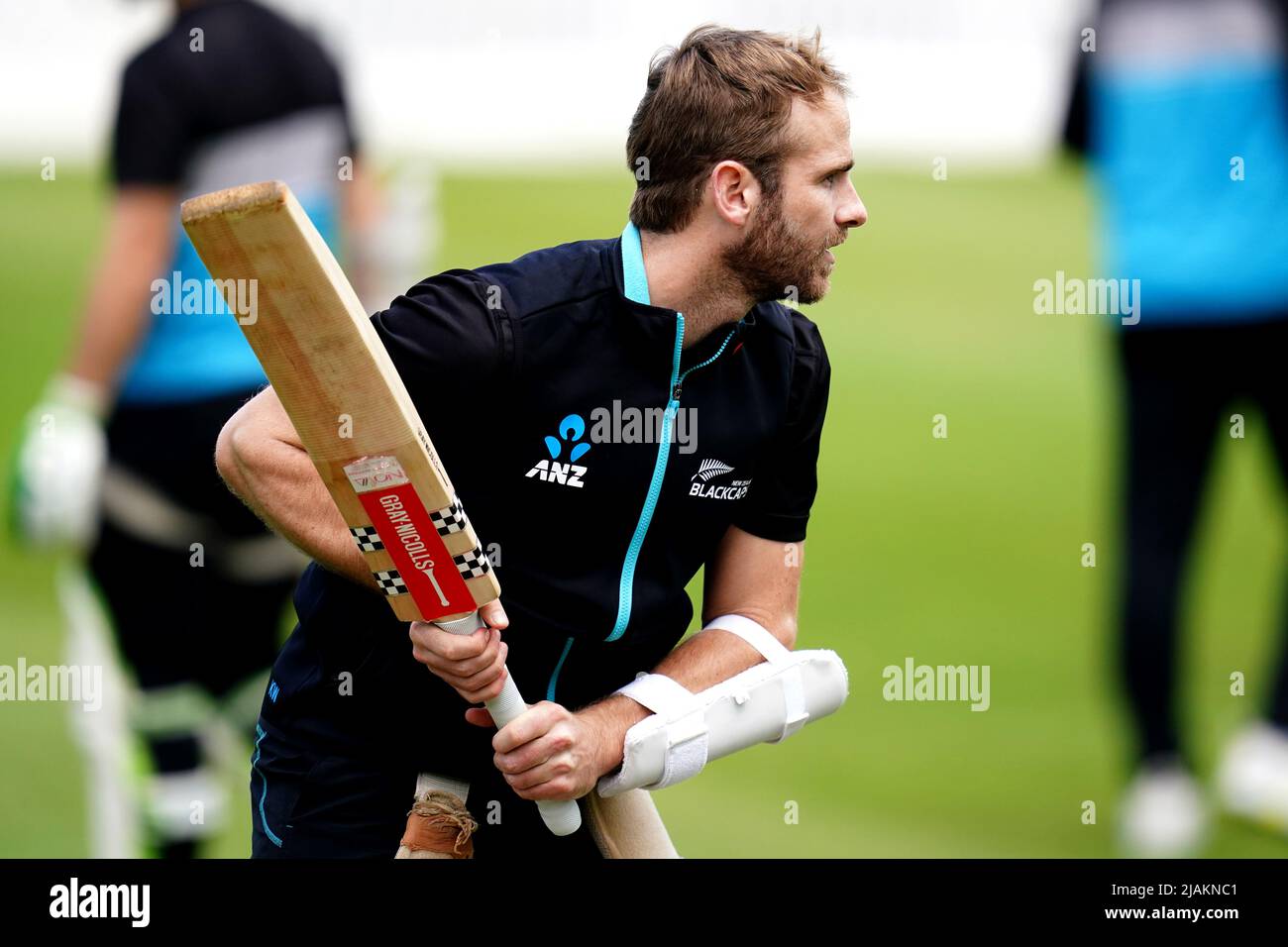
The synergy between Gay’s batting and Smith’s bowling has created a “pincer movement” against the Black Caps. While the batting set a competitive target, the bowling has ensured that the target remains out of reach. This balance of contributions is what has allowed England to grab the initiative so decisively heading into day three.
“The momentum in a Test match is a fragile thing, but the combination of a pivotal half-century and a dominant bowling spell has shifted the gravity of this game entirely toward England.”
The Significance of the Lord’s Venue
Playing at Lord’s adds a layer of complexity to any cricket match. Known as the “Home of Cricket,” the ground possesses unique characteristics that can influence the outcome of a game. The most notable is the slope of the pitch, which can cause the ball to deviate in unexpected ways, often favoring bowlers who know how to manipulate the angle of delivery.
For the Black Caps, navigating this slope while chasing a target of 254 is a daunting task. The mental fatigue of day two, combined with the pressure of being 36-3, makes the environmental factors even more taxing. When a team loses three early wickets, the pitch often feels “faster” or “more unpredictable” than it actually is, as the remaining batsmen struggle with nerves.
England’s familiarity with the venue, combined with Smith’s clinical execution, has turned the historic ground into a fortress for the hosts. The Black Caps must now find a way to adapt their technique to the slope while managing the immense pressure of a collapsing top order.
Implications for Day Three and Beyond
As the match progresses into day three, the Black Caps face a critical juncture. The primary goal will be survival and the establishment of a partnership that can weather the storm. With the Black Caps 36-3 chasing 254 after England removes Williamson late on day two – 1News, the focus shifts to the middle and lower order.
Potential Scenarios for the New Zealand Batting Order
- The Recovery Phase: If New Zealand can put on a 50-to-80 run partnership without further loss, they can bring the required run rate down and put pressure back on the English bowlers.
- The Continued Collapse: Should England secure another quick wicket early on day three, the match could move toward a rapid conclusion, with New Zealand potentially being bowled out for a low total.
- The Counter-Attack: A risky but possible strategy where the remaining batsmen attempt to score quickly to unsettle the English field placements, though this is unlikely given the current scoreline.
For England, the objective is clear: maintain the aggression. With Smith in peak form, the English captain will likely look to keep the pressure on by utilizing tight fields and attacking lines. The goal will be to wrap up the tail of the New Zealand innings before the pitch flattens out or the bowlers tire.
For those following the match, the key will be watching the first hour of play on day three. The “new ball” period and the freshness of the bowlers often determine whether a team can recover from a collapse or if the decline continues.
For a deeper dive into how pitch conditions affect chase totals, you might find a related explainer on Test cricket pitch dynamics useful.
Common Misconceptions Regarding the Chase
In the wake of the 36-3 scoreline, some analysts and fans may oversimplify the situation. It is important to clarify a few points regarding the nature of this chase:
Misconception 1: 254 is an impossible target.
In modern Test cricket, 254 is well within the realm of possibility. Many teams have chased larger totals. The issue for the Black Caps is not the target itself, but the manner in which they have started the chase. Losing three wickets for 36 runs is the problem, not the 254 runs required.
Misconception 2: The match is already decided.
Test cricket is defined by its duration. A single resilient partnership can change the entire momentum of a game. While England has the initiative, New Zealand’s ability to fight from the depths is well-documented in their cricketing history.
Misconception 3: Smith’s six wickets were a result of poor batting alone.
While the Black Caps struggled, a six-wicket haul usually indicates a bowler who is exploiting the conditions perfectly. Smith’s performance is a result of high-level skill meeting favorable conditions, rather than just a “poor day” for the batsmen.
Frequently Asked Questions
What is the current status of the Black Caps in the first Test?
The Black Caps are currently 36-3 in their second innings, chasing a target of 254 for victory. This position was reached at the end of day two after a late-day collapse.
Who was the key bowler for England on day two?
Smith has been the standout performer, taking six wickets and playing a primary role in reducing New Zealand to 36-3.
Why was the dismissal of Kane Williamson so significant?
Kane Williamson is considered the anchor of the New Zealand batting lineup. His dismissal late on day two removed the team’s most stable run-scorer and shifted the psychological advantage to England.
Where is the match taking place?
The first Test between England and New Zealand is being played at Lord’s in London.
What role did the half-century by Gay play in the match?
The half-century scored by Gay was pivotal in helping England set a challenging target of 254, ensuring the Black Caps had a significant distance to cover in the final innings.
As the sun rises on day three, the cricketing world will be watching to see if the Black Caps can produce a miracle recovery or if England’s dominant surge will lead to a decisive victory. The tension at Lord’s is palpable, and the outcome remains one of the most anticipated results of the series.
