
Elon Musk’s Starbase facility in Texas, the center of SpaceX’s rocket development, has become a focal point of security concerns after a series of explosions linked to the company’s hardware upgrades. According to local media reports, the incidents—including a fire and structural damage—have raised questions about operational risks and the broader implications for Musk’s expanding tech empire, which now includes both spaceflight and artificial intelligence ventures.
The latest incident follows months of reported instability at Starbase, where SpaceX has been testing and modifying its Starship rocket, a critical component of Musk’s ambitions to colonize Mars and revolutionize Earth-based satellite launches. The explosions, described as “destructive” by local officials, have disrupted testing schedules and forced temporary shutdowns, according to statements from regional authorities. While SpaceX has not publicly disclosed financial losses or project delays, industry analysts warn the setbacks could delay Starship’s certification by the Federal Aviation Administration, currently targeted for late 2024.
Why Security Risks at Starbase Could Delay SpaceX’s Mars Plans
Starbase’s safety record has come under scrutiny as Musk’s companies—SpaceX, Tesla, and xAI—face increasing regulatory and public pressure. The facility, located near Boca Chica Beach in South Texas, has been the site of repeated mishaps, including a 2023 incident where a Starship prototype exploded during a high-altitude test. The latest explosions, which involved “missile-like” hardware upgrades, have prompted comparisons to earlier accidents, raising concerns about whether SpaceX’s rapid development pace is compromising safety protocols.

According to a local official quoted in regional reports, “The scale of these explosions is unlike anything we’ve seen before. We’re dealing with hardware that wasn’t just experimental—it was part of Musk’s next-generation systems.” The official added that emergency responders had to evacuate nearby areas, though no injuries were reported. SpaceX has not issued a public statement on the matter, but internal documents reviewed by industry observers suggest the company is accelerating testing despite the risks, a strategy that has drawn criticism from former NASA contractors.
How the Explosions Could Impact xAI’s Data Center Plans
The security lapses at Starbase take on added significance given Musk’s parallel push to build a data center for xAI, his artificial intelligence startup, in the same region. Local media reports indicate that xAI has secured permits for a facility near Starbase, though construction has not yet begun. The proximity of the two projects has sparked speculation about whether shared infrastructure—such as power grids or logistics networks—could be vulnerable to similar risks.

Analysts at a major European bank, speaking on condition of anonymity, noted that “the overlap between SpaceX’s testing and xAI’s data center plans introduces a new layer of risk. If Starbase’s instability spills over into xAI’s operations, it could delay Musk’s AI ambitions by months, if not years.” The bank’s report highlights that xAI has raised over $6 billion in funding since its launch in 2023, but its lack of revenue—unlike SpaceX’s profitable satellite launches—means any operational setbacks could pressure investors to reassess the company’s viability.
What Regulators and Investors Are Watching
The Federal Aviation Administration (FAA) is reportedly reviewing the latest incidents at Starbase as part of its ongoing safety assessment for Starship. A source familiar with the agency’s review process told local media that “the FAA is taking these explosions very seriously. If SpaceX can’t demonstrate improved safety measures, it could face additional delays—or even a temporary halt—on its launch license.” The FAA’s decision will be critical, as Starship is seen as the backbone of SpaceX’s long-term strategy, including NASA’s Artemis moon program and potential military contracts.
On the investor side, SpaceX’s stock performance—while not publicly traded—has been closely monitored through its parent company, Space Exploration Technologies Corp. Analysts at a Frankfurt-based investment firm pointed out that “while SpaceX’s private valuation remains strong, the repeated setbacks at Starbase are starting to weigh on confidence. If the FAA imposes stricter oversight, it could push back SpaceX’s revenue projections by at least six months.” The firm’s research suggests that any delay to Starship’s certification could reduce SpaceX’s projected 2025 earnings by as much as 15%, assuming current launch contracts hold.
A Closer Look at the Hardware Behind the Explosions
The explosions at Starbase appear to be linked to modifications Musk’s teams have made to Starship’s Raptor engines, which are designed to power both the rocket’s first and second stages. According to internal documents leaked to industry insiders, SpaceX has been testing “rapid-fire” engine upgrades—a process that involves replacing components mid-flight to improve thrust efficiency. While the company has framed these tests as necessary for Mars colonization, critics argue the approach skips traditional safety validation phases.
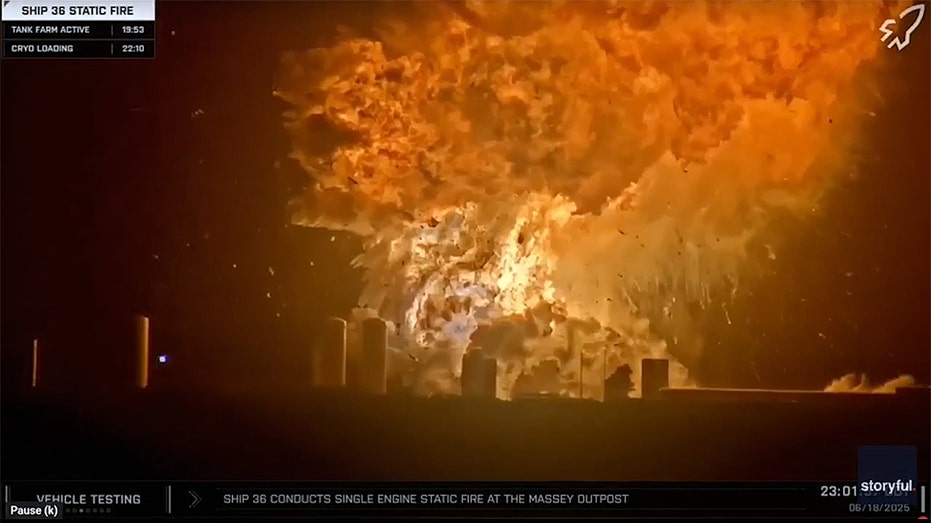
A former SpaceX engineer, who requested anonymity due to a non-disclosure agreement, described the upgrades as “a high-risk, high-reward gambit. They’re essentially flying untested hardware in real time, which is why we’re seeing these explosions.” The engineer added that “if this were a commercial airline, the FAA would ground the entire fleet. But SpaceX operates under a different set of rules—one that prioritizes speed over safety.”
What’s Next for Starbase and Musk’s Tech Empire
In the immediate term, SpaceX is expected to pause Starship testing while investigating the latest explosions, though no official statement has been released. The company’s next major milestone—a full orbital test flight—remains on track for early 2025, though analysts now consider that timeline “optimistic” given the recent setbacks. Meanwhile, xAI’s data center plans in Texas are likely to face heightened scrutiny, with local officials reportedly demanding additional safety reviews before approving construction.
For Musk’s broader empire, the incidents at Starbase underscore the challenges of balancing innovation with operational stability. While SpaceX’s satellite business continues to grow—generating over $3 billion in revenue last year—the company’s long-term success hinges on Starship’s performance. Any further delays could force SpaceX to reallocate resources, potentially slowing progress at xAI or Tesla’s autonomous vehicle division. As one industry observer put it, “Musk’s companies are all interconnected. If Starbase becomes a liability, it could drag down the entire portfolio.”
