
‘Well and truly on its way’: El Nino likely to peak over New Zealand summer – NZ Herald
New Zealand is bracing for a significant atmospheric shift as meteorological data confirms that a potent El Niño event is developing, with its peak expected to coincide with the upcoming summer months. This climate phenomenon, characterized by the unusual warming of surface waters in the eastern tropical Pacific Ocean, is not merely a distant weather pattern but a primary driver of regional climate variability that will likely dictate the temperature, rainfall, and overall environmental conditions across Aotearoa.
The current trajectory suggests that the transition from a neutral phase—and the lingering effects of previous La Niña cycles—is complete. The prevailing sentiment among climate scientists is that the event is ‘well and truly on its way’: El Nino likely to peak over New Zealand summer – NZ Herald, signaling a period of heightened volatility for the agricultural sector, water management authorities, and the general public planning their summer activities.
While El Niño is a natural cycle, its arrival occurs against a backdrop of rising global baseline temperatures, creating a “compounding effect” that can amplify the severity of droughts and heatwaves. Understanding the mechanics of this event and the specific vulnerabilities of New Zealand’s geography is essential for mitigating the risks associated with this seasonal shift.
Decoding the Mechanics: What Exactly is El Niño?
To understand why a temperature shift in the tropical Pacific impacts a series of islands in the South Pacific, one must look at the El Niño-Southern Oscillation (ENSO). ENSO is a periodic fluctuation in sea surface temperatures and the air pressure of the overlying atmosphere. In a “neutral” year, trade winds blow from east to west across the Pacific, pushing warm surface water toward Asia and Australia. This allows cold, nutrient-rich water to rise—a process known as upwelling—along the coast of South America.
During an El Niño event, these trade winds weaken or even reverse. The warm pool of water that usually sits in the western Pacific begins to migrate eastward toward the Americas. This shift in heat distribution alters the entire global atmospheric circulation, effectively moving the “engine” of the Pacific weather system.
The Atmospheric Ripple Effect
This movement of heat changes the position of the jet stream—the high-altitude river of air that steers weather systems around the globe. For New Zealand, this often means a shift in where storm tracks are positioned. Instead of moisture-laden systems being pushed toward the west coast or moving in a way that benefits the east, the atmospheric “bridge” changes, often leaving the eastern regions of both the North and South Islands more exposed to dry, descending air.
“El Niño is not a localized storm, but a planetary-scale reconfiguration of heat and moisture. When the Pacific warms in the east, the ripple effects are felt thousands of kilometers away, altering everything from the intensity of the summer sun to the frequency of easterly droughts.”
Regional Forecasts: How New Zealand Will Feel the Impact
The impact of El Niño is rarely uniform across New Zealand. Due to the country’s rugged topography and its position in the path of the westerly winds, different regions will experience the peak of this event in starkly different ways.
The North Island: Heat and Humidity
In the North Island, El Niño typically correlates with warmer-than-average temperatures, particularly in the north. The combination of higher sea surface temperatures and shifted wind patterns can lead to more frequent heatwaves. However, the rainfall distribution is the primary concern. The eastern side of the North Island, including the Bay of Plenty and Hawke’s Bay, often faces a higher risk of rainfall deficits. This can lead to stressed pastures and increased pressure on municipal water supplies during the peak summer months.
The South Island: The Great Divide
The South Island often experiences a more pronounced “split” during El Niño years:
- The West Coast: Generally sees increased rainfall as the shifted storm tracks funnel more moisture into the Tasman Sea and slam it against the Southern Alps.
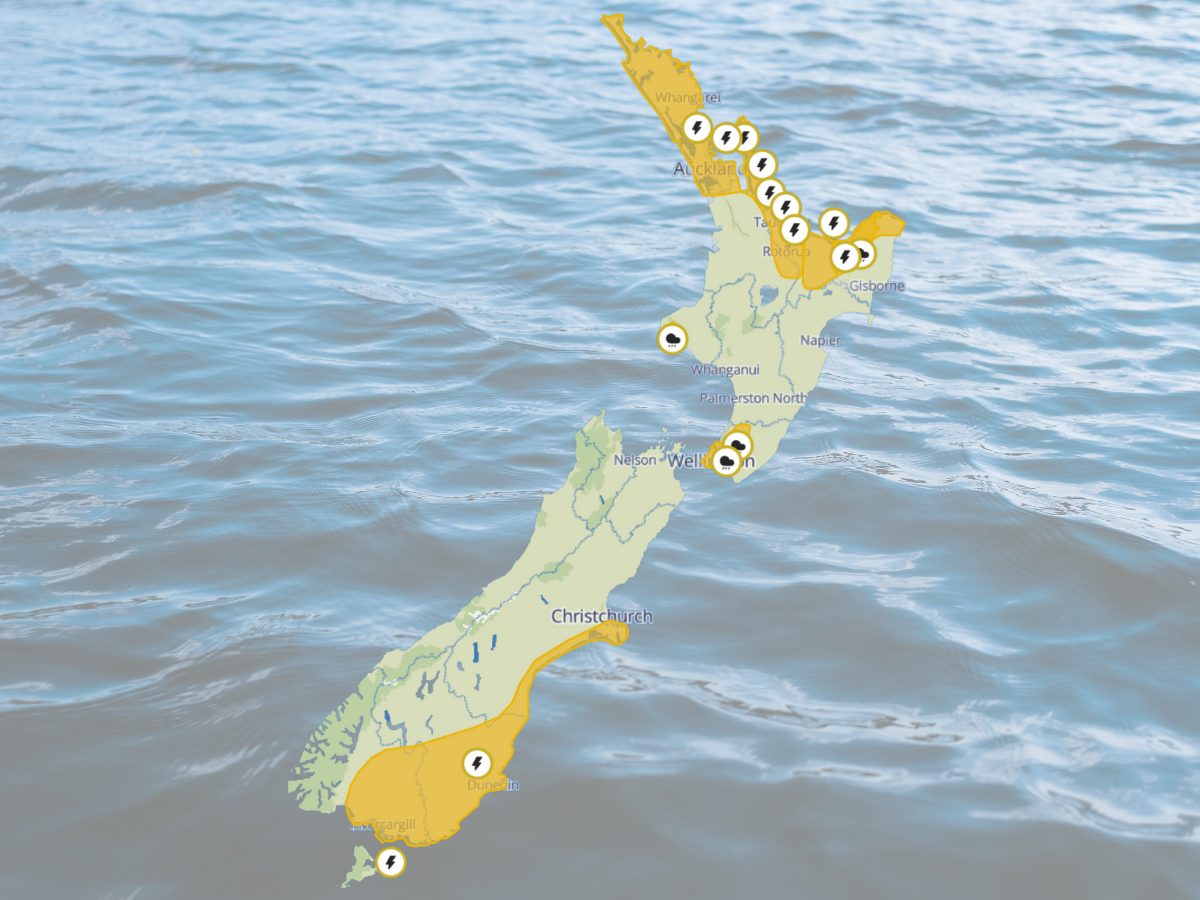
- The East Coast (Canterbury and Otago): These regions are historically more prone to drought during El Niño. The Southern Alps act as a barrier, and the prevailing winds during this phase often fail to bring sufficient moisture over the mountains, leaving the eastern plains dry.
| Region | Expected Impact | Primary Risk |
|---|---|---|
| Northland & Auckland | Warmer than average | Increased heat stress |
| East Coast (North Island) | Below average rainfall | Agricultural drought |
| West Coast (South Island) | Above average rainfall | Localized flooding |
| Canterbury & Otago | Dry and variable | Water scarcity/Fire risk |
Economic Implications: Agriculture, Energy, and Insurance
The weather is not just a matter of convenience for holidaymakers; it is a fundamental economic driver for New Zealand. A strong El Niño peaking over the summer creates a cascade of financial risks across several key industries.
The Agricultural Strain
New Zealand’s economy is heavily reliant on primary industries. For dairy and sheep farmers in the east, a lack of summer rain can lead to a rapid decline in pasture growth. This forces farmers to rely on supplementary feed, which increases operational costs and can lower profit margins. In extreme cases, prolonged drought leads to livestock destocking, impacting long-term herd productivity.
Hydroelectric Power and Energy Security
New Zealand relies significantly on hydroelectric power. The filling of lake reservoirs during the winter and spring is crucial for maintaining energy stability through the summer. If El Niño suppresses rainfall in the catchment areas of major hydro schemes, lake levels may drop dangerously low. This often necessitates the use of more expensive, carbon-intensive thermal generation to meet peak summer demand, potentially leading to higher electricity prices for consumers.
The Insurance and Infrastructure Nexus
While the east faces drought, the west’s increased rainfall can lead to landslides and flash flooding. Insurers are increasingly wary of these “extreme oscillations.” The volatility of an El Niño summer—where one region burns while another floods—increases the complexity of risk modeling and can lead to higher premiums for homeowners in high-risk zones.
For those interested in how climate patterns affect long-term planning, a related explainer on climate resilience strategies may provide further insight into how infrastructure is being adapted.
The “Wildcard” Factor: Climate Change and Unpredictability
One of the most critical points raised by meteorologists is that “surprises are always possible.” While historical data provides a roadmap for El Niño, the overarching trend of global warming is rewriting the rules. We are no longer dealing with El Niño in a vacuum; we are dealing with it in an era of unprecedented oceanic heat content.
Amplification of Extremes
Climate change increases the amount of water vapor the atmosphere can hold. Which means that when it does rain during an El Niño event, the downpours can be more intense than they were in previous decades. Conversely, higher baseline temperatures increase evaporation rates, meaning the soil dries out faster during the dry spells, exacerbating the effects of drought.
The Shift in Predictability
Traditional models rely on historical correlations. However, as the Pacific Ocean warms, the “signature” of El Niño is changing. We may see “Modoki” El Niños, where the warming occurs in the central Pacific rather than the east, leading to different weather outcomes for New Zealand. This unpredictability is why experts warn against treating the forecast as a certainty and instead encourage a strategy of “adaptive readiness.”
Key Points for Summer Readiness
Given the likelihood of a peaking El Niño, various sectors and individuals should consider the following preparations:
- Water Management: Local councils and homeowners should review water restriction triggers and invest in rainwater harvesting where possible.
- Fire Prevention: With drier conditions in the east, the risk of wildfires increases. Clearing flammable vegetation and adhering to fire bans is critical.
- Agricultural Planning: Farmers should evaluate feed reserves and consider drought-resistant cropping options for the coming season.
- Health Precautions: Increased heatwaves require public health alerts for vulnerable populations, including the elderly and those with respiratory issues.
Comparing El Niño and La Niña: The New Zealand Perspective
To fully grasp the significance of the current trend, it is helpful to compare the upcoming El Niño peak with its opposite phase, La Niña. While both are part of the ENSO cycle, their manifestations in New Zealand are nearly mirrored.
| Feature | El Niño (Upcoming Peak) | La Niña (Previous/Opposite) |
|---|---|---|
| North Island Rain | Drier in the East | Wetter in the East |
| South Island Rain | Wetter West / Drier East | Generally wetter across the board |
| Temperature | Tendency toward warmer summers | Tendency toward cooler/damp summers |
| Primary Risk | Drought and Wildfire | Flooding and Saturated Soils |
Addressing Common Misconceptions
We find several myths surrounding El Niño that can lead to misplaced expectations or unnecessary panic. Clarifying these is essential for a balanced understanding of the news.
Misconception 1: “El Niño means it will be hot everywhere.”
While there is a general trend toward warmer temperatures in the North Island, El Niño does not guarantee a “heatwave summer” for everyone. In some parts of the South Island, it can actually lead to more variable temperatures or even cooler snaps depending on how the Southern Ocean currents interact with the shifted jet stream.
Misconception 2: “El Niño is caused by global warming.”
El Niño is a natural cycle that has existed for millennia. However, global warming modifies its effects. Think of El Niño as the “engine” and climate change as “fuel” that makes the engine run hotter and more erratically.
Misconception 3: “We can predict exactly when it will peak.”
Meteorology deals in probabilities, not certainties. While models suggest a peak over the summer, the exact timing and intensity can shift. A “strong” El Niño can occasionally weaken unexpectedly due to opposing atmospheric pressures, which is why meteorologists maintain that surprises are always possible.
Navigating the Coming Months
As New Zealand moves toward the peak of this cycle, the focus will shift from prediction to observation. The coming weeks will be critical for monitoring sea surface temperature anomalies in the Niño 3.4 region of the Pacific. If the warming continues to intensify, the likelihood of the classic “El Niño summer”—dry easts and wet wests—becomes nearly certain.
For the general public, this means staying informed through official meteorological channels and preparing for a summer of extremes. Whether it is the risk of drought in Canterbury or the threat of heavy rain in the West Coast, the overarching theme is one of volatility. The phrase ‘well and truly on its way’: El Nino likely to peak over New Zealand summer – NZ Herald serves as a timely reminder that the environment is shifting, and the window for preparation is closing.
Industry leaders, from the Ministry for Primary Industries to energy providers, will be watching the data closely. The goal is no longer just to predict the weather, but to build a society that can withstand the inevitable swings of the Pacific’s great atmospheric pendulum.
Frequently Asked Questions
How will El Niño affect my electricity bill this summer?
While not guaranteed, El Niño can lead to lower rainfall in hydro-catchment areas. If lake levels drop, power companies may rely more on thermal generation, which can be more expensive and may lead to price fluctuations during peak demand periods.
Is El Niño the reason for the current global temperature spikes?
El Niño contributes to a temporary increase in global surface temperatures by releasing heat from the ocean into the atmosphere. However, the long-term upward trend in temperatures is driven by greenhouse gas emissions, not the ENSO cycle.
Will my garden need more water during an El Niño summer?
If you live in the eastern regions of the North or South Islands, yes. These areas are more likely to experience rainfall deficits, meaning supplemental irrigation will be necessary to maintain gardens and crops.
How long does a typical El Niño event last?
An El Niño event typically lasts between nine to twelve months, though some can persist for longer. The “peak” is the period of maximum intensity, which for this cycle is expected during the New Zealand summer.
Does El Niño increase the risk of cyclones in New Zealand?
El Niño changes the path of tropical systems. While it doesn’t necessarily increase the total number of cyclones, it can alter where they make landfall, sometimes shifting the risk patterns compared to La Niña years.
