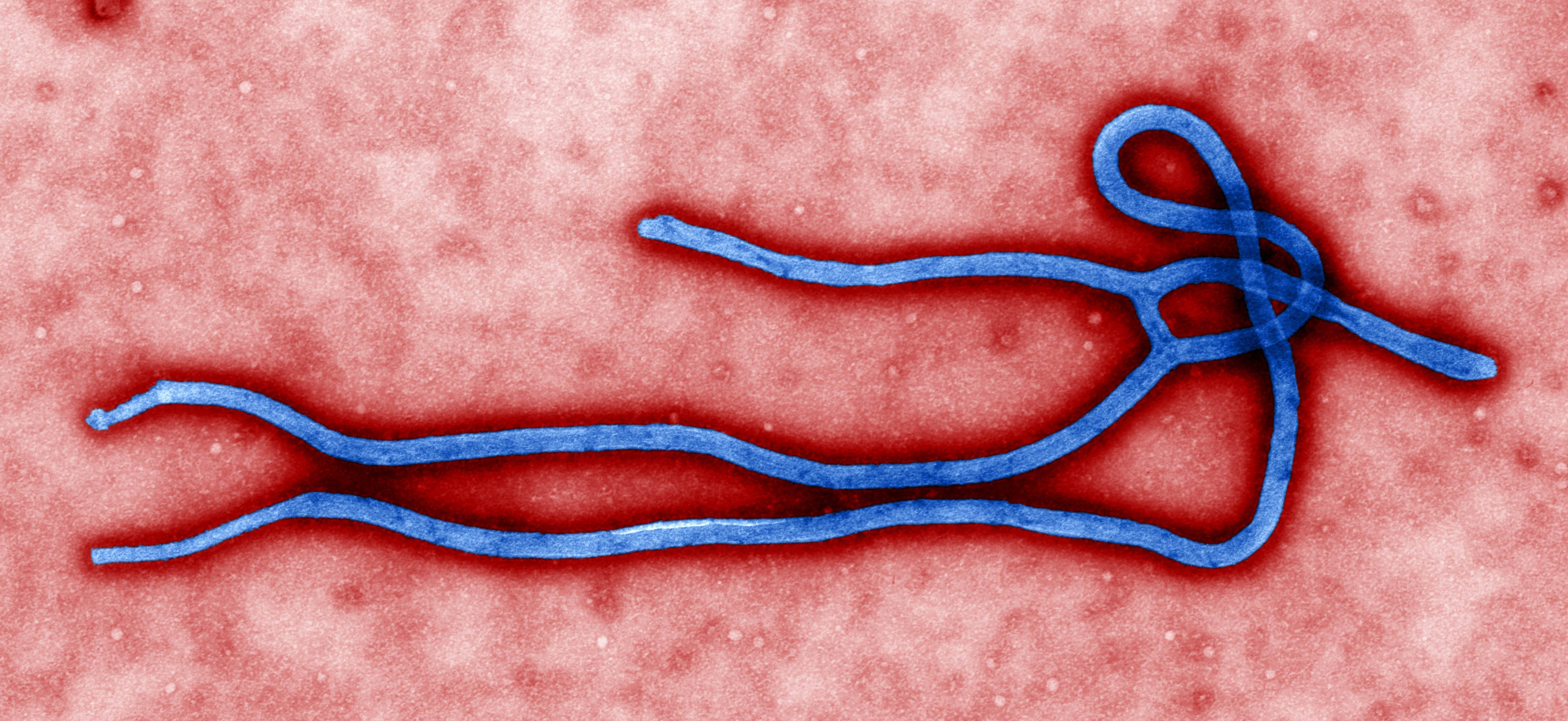
Ebola Cases Top 500 in Congo as Patient Escapes, Testing Delays Add to Challenges
Ebola cases in the Democratic Republic of Congo have surpassed 500, creating a critical public health emergency. The response is currently hindered by significant testing delays and the escape of an infected patient, even as WHO chief Tedros announces a $518 million plan to combat the virus and reports emerge of progress in central Africa.
The Current State of the Ebola Outbreak in Congo
The health crisis in the Democratic Republic of Congo has reached a sobering milestone, with total Ebola cases now topping 500. This surge in infections highlights the persistent difficulty of containing the virus in a region where infrastructure and security often clash with medical necessity. The situation is further complicated by two critical failures in containment: the escape of a patient from a treatment center and systemic delays in diagnostic testing.
Patient escapes represent one of the highest risks in any Ebola outbreak. Because the virus is transmitted through direct contact with infected bodily fluids, a single individual moving undetected through a community can trigger a new cluster of infections. When this risk is paired with testing delays, health officials are essentially operating with a blind spot. Testing delays mean that suspected cases remain in the community longer before being isolated, increasing the window for potential transmission.
- Total Case Count: Now exceeding 500.
- Primary Containment Failures: Patient escape and diagnostic bottlenecks.
- Current Risk Level: High, due to potential for undetected community spread.
Conflicting Signals: Rapid Spread vs. Dropping Numbers
Analyzing the current data reveals a complex and sometimes contradictory picture of the outbreak’s trajectory. Different reporting outlets highlight different facets of the crisis, suggesting that the outbreak is not behaving uniformly across the affected regions.
According to the Irish Times, the Congo has warned of “rapid” community spread, a claim supported by the confirmation of 71 new cases. This indicates that the virus is still finding new hosts quickly and that containment measures may be lagging behind the actual spread of the disease. The confirmation of dozens of new cases in a short window suggests that the “rapid” spread is a tangible threat to regional stability.
Conversely, the BBC reports that Ebola figures appear to offer some hope, as case numbers have dropped in certain areas of the DR Congo. However, the BBC cautions that the situation is “not that simple.” This discrepancy suggests a volatile environment where one province may see a decline in cases while another experiences a sudden spike. This volatility makes it difficult for international health organizations to declare a definitive trend in the outbreak’s progression.
| Reporting Source | Key Observation | Outlook |
|---|---|---|
| The Irish Times | 71 new cases confirmed | Warning of “rapid” community spread |
| BBC | Case numbers dropping in some areas | Cautiously optimistic but warns of complexity |
| RTE.ie | Progress being made in central Africa | General positive trend in the broader region |
The Global Response and the $518 Million Plan
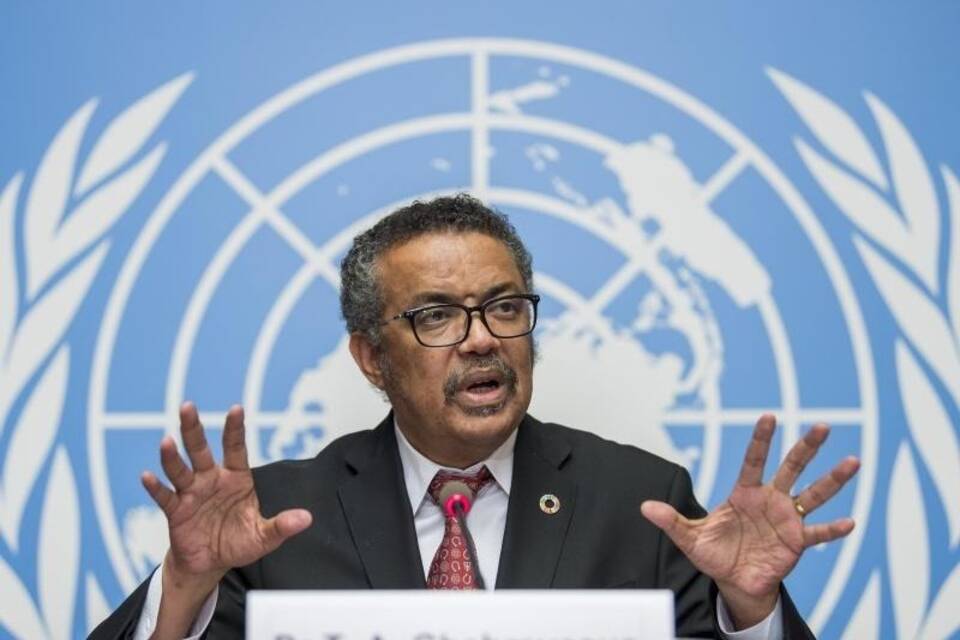
In response to the escalating crisis, the World Health Organization (WHO) has moved to secure massive financial resources to stabilize the region. WHO chief Tedros announced a $518 million plan specifically designed to combat the Ebola virus. This funding is intended to address the systemic gaps that allow the virus to persist, such as the testing delays and the lack of secure treatment facilities that prevent patient escapes.
The scale of this investment reflects the severity of the situation. A plan of this magnitude typically covers several critical pillars of outbreak response:
- Diagnostic Capacity: Investing in faster, more localized testing to eliminate the delays that currently hamper response times.
- Containment Infrastructure: Improving the security and quality of care in treatment centers to reduce the likelihood of patients fleeing.
- Community Engagement: Working with local leaders to reduce stigma and encourage early reporting of symptoms.
- Vaccination Efforts: Deploying vaccines to high-risk populations and contact circles.
While the funding is a significant step, the effectiveness of the $518 million plan depends on the speed of deployment. In an environment where the Irish Times reports “rapid” spread, the gap between funding announcement and on-the-ground implementation can be the difference between containment and a wider epidemic.
“Progress is being made on the Ebola outbreak in central Africa,” according to reports from RTE.ie quoting the WHO chief.
Why Testing Delays and Patient Escapes Create a “Perfect Storm”
To understand why the “Ebola Cases Top 500 in Congo as Patient Escapes, Testing Delays Add to Challenges” narrative is so concerning, one must look at the mechanics of contact tracing. Contact tracing is the process of identifying everyone an infected person has touched. It is the primary tool for stopping an outbreak.
When a patient escapes a facility, the contact tracing chain is broken. Health workers no longer know where the patient is or who they are interacting with. If that patient then interacts with people in a community where testing is delayed, those new victims may not be identified for days or weeks. By the time a test result comes back positive, the “rapid” community spread mentioned by the Irish Times has already occurred.
This creates a dangerous cycle:
Patient Escape $\rightarrow$ Unmonitored Transmission $\rightarrow$ Testing Delay $\rightarrow$ Undetected New Cases $\rightarrow$ Further Spread.
This cycle explains why the BBC’s observation of dropping numbers in some areas may be deceptive. A drop in reported cases can sometimes be a result of testing delays rather than a true decline in infections. If tests aren’t being processed, cases aren’t being reported, which can create a false sense of security.
Regional Implications for Central Africa
The outbreak in the DR Congo does not exist in a vacuum. The broader region of central Africa is under constant threat of cross-border transmission. The WHO chief’s statement via RTE.ie that progress is being made in central Africa suggests that while the Congo remains a hotspot, other neighboring areas may be successfully implementing preventative measures.
However, the persistence of the virus in the Congo means the region remains on high alert. The ability of the WHO to implement the $518 million plan will likely determine if the progress seen in central Africa is maintained or if the Congo’s “rapid” spread spills over into neighboring states.
For those following the trajectory of this crisis, it is helpful to look for a related explainer on Ebola transmission patterns to understand how geographical barriers and population movements influence these outbreaks.
Frequently Asked Questions
How many Ebola cases have been confirmed in Congo?
Total cases have topped 500, with recent reports from the Irish Times confirming an additional 71 new cases, indicating a period of rapid community spread.
What is the WHO’s plan to stop the outbreak?
WHO chief Tedros has announced a $518 million plan to combat the virus, focusing on improving response capabilities and containing the spread.
Why are testing delays considered a major challenge?
Testing delays prevent the timely isolation of infected individuals. This allows the virus to spread undetected within the community, making it significantly harder for health officials to track and contain the outbreak.
Is the Ebola outbreak currently decreasing?
The data is mixed. While the BBC reports that case numbers appear to be dropping in some parts of the DR Congo, other sources, including the Irish Times, warn of rapid community spread and a rise in new confirmed cases.
What happens when an Ebola patient escapes a treatment center?
A patient escape creates a high risk of new infections because the individual is no longer under medical supervision. This disrupts contact tracing efforts and can lead to new, undetected clusters of the virus in the general population.
