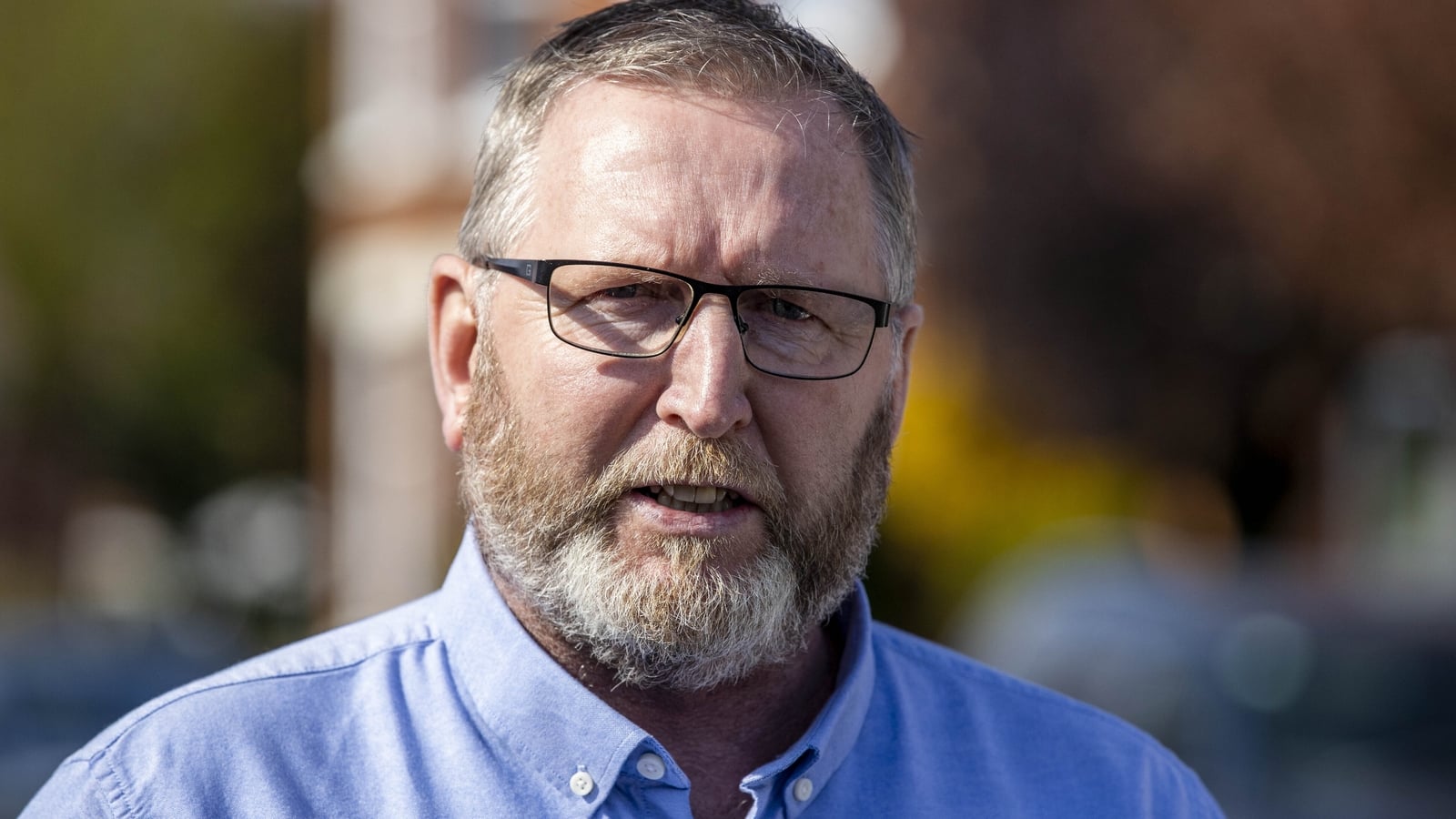
Doug Beattie quits UUP citing ‘toxic atmosphere’ – RTE.ie: Former Leader Resigns Amid Internal Conflict
In a move that has sent shockwaves through the Northern Ireland political landscape, former Ulster Unionist Party (UUP) leader Doug Beattie has officially resigned from the party. The departure comes amid scathing allegations of a “toxic atmosphere” and a systemic breakdown in leadership and communication within the organization. Beattie, a prominent figure in unionist politics and a former British Army captain, has indicated that he will continue to serve as an independent unionist MLA for the Upper Bann constituency, a seat he has held for a decade.
The resignation was not a quiet exit but a public denunciation of the current party trajectory. In a letter addressed to the party’s current leader, Jon Burrows, Beattie described an “insidious campaign of rumour and gossip” targeted at him, suggesting that his position within the party had become “no longer tenable.” This high-profile split highlights deep-seated fractures within the UUP, occurring at a time when the party is attempting to define its direction and maintain its influence in a volatile political environment.
The Catalyst for Departure: A ‘Toxic’ Internal Environment
At the heart of Doug Beattie’s decision to leave the UUP is a perceived collapse of internal culture. Beattie has been explicit in his critique, citing a “toxic atmosphere” that he believes has been allowed to flourish under the current leadership. According to his resignation letter, this environment is not merely a result of personal disagreements but is indicative of a broader institutional failure.
Beattie highlighted a marked deterioration in the working relationships between several key pillars of the party. Specifically, he pointed to a breakdown in cooperation and trust between:
- The party management board
- Local constituency associations
- The Ulster Unionist Councillor Association
- The MLA group at Stormont
The former leader argued that this fragmentation accelerated following the election of Jon Burrows as party leader. Beattie alleged that under Burrows’ tenure, Members of the Legislative Assembly (MLAs) have been “increasingly marginalised, ignored, isolated and discredited.” This perceived isolation of elected representatives suggests a disconnect between the party’s grassroots management and its legislative wing, creating a vacuum of authority and a culture of friction.
“In the absence of any coherent policy direction from the leadership, a toxic atmosphere has been allowed to flourish within the party.”
Leadership Clash: Doug Beattie vs. Jon Burrows
The tension within the UUP appears to be centered on a clash of leadership styles and ideological approaches. Jon Burrows, a former officer with the Police Service of Northern Ireland (PSNI), entered the political fray as an MLA in 2025 after being co-opted into a seat in North Antrim. He was subsequently ratified as the party leader in January of this year.
While Burrows represents a new chapter for the party, Beattie’s resignation suggests that this transition has been fraught with difficulty. The contrast between the two figures—an ex-Army captain and a former police officer—mirrors the broader tensions within unionism as it navigates the balance between traditional conservative values and a more modern, progressive outlook.
Beattie noted in his resignation that the UUP once prided itself on a “social conscience” and a “progressive and moderate outlook,” combined with a “respected conservative tradition.” The implication of his departure is that the party has drifted away from this balanced identity, losing its way in the absence of a clear, unifying policy direction from the top.
Comparative Profiles of Key Figures
| Feature | Doug Beattie | Jon Burrows |
|---|---|---|
| Former Role | UUP Party Leader / British Army Captain | PSNI Officer |
| Current Status | Independent Unionist MLA (Upper Bann) | UUP Party Leader / MLA (North Antrim) |
| Political Tenure | MLA for 10 years | MLA since 2025 |
| Core Grievance/Position | Cites “toxic atmosphere” and marginalization of MLAs | Denies characterization of recent events |
The Battle for Upper Bann and the 2027 Outlook
While the resignation letter focuses on culture and leadership, political analysts suggest that the split may have been accelerated by practical concerns regarding the 2027 election. There has been significant speculation in recent weeks regarding Beattie’s future candidacy within the party. Reports suggest that elements within the UUP were reluctant to see Beattie selected as the candidate for the Upper Bann constituency.
Given that Beattie has held this seat for ten years, any attempt to replace him or challenge his candidacy would have created a direct confrontation. By resigning and staying on as an independent, Beattie retains his mandate and his platform, effectively bypassing the internal party selection process that may have been used to sideline him.
This move creates a complex challenge for the UUP heading toward 2027. The party must now decide whether to run a candidate against a former leader who remains popular in his constituency, potentially splitting the unionist vote and handing an advantage to political rivals. For Beattie, the independent route provides a way to maintain his political relevance while distancing himself from a leadership he views as dysfunctional.
Implications for the Ulster Unionist Party
The departure of a former leader is rarely a benign event for a political party. Beattie’s exit, and the public nature of his grievances, poses several strategic risks for the UUP:
1. Damage to the ‘Moderate’ Brand
The UUP has long positioned itself as the moderate alternative within unionism. However, allegations of an “insidious campaign of rumour and gossip” and a “toxic atmosphere” undermine this image of stability and professionalism. If the party is perceived as being consumed by internal warfare, it may struggle to attract centrist voters who prioritize governance over partisan infighting.

2. Legislative Weakness at Stormont
Beattie’s claim that MLAs are being “marginalised, ignored, and isolated” suggests a breakdown in the party’s legislative strategy. If elected representatives feel discredited by their own party management, their effectiveness in the Assembly is diminished. This internal friction can lead to a lack of cohesion on key policy votes and a weakened voice in negotiations.
3. Grassroots Fragmentation
The mentioned deterioration in relationships between the party management board and constituency associations indicates a rift between the “top-down” leadership and the “bottom-up” organizational structure. This fragmentation can lead to poor candidate selection, decreased membership engagement, and a loss of local funding and support.
In response to these claims, a UUP spokesperson has stated that the party does “not accept the characterization of recent events” as outlined in Beattie’s letter. This denial suggests that the leadership views the conflict as an isolated dispute rather than a systemic failure, though the public nature of the resignation makes it difficult to dismiss the issue entirely.
Analyzing the ‘Insidious Campaign’ Allegation
One of the most striking aspects of Beattie’s resignation is the mention of an “insidious campaign of rumour and gossip.” In political terms, this typically refers to “whisper campaigns”—coordinated efforts to undermine a politician’s reputation within their own party to make their position untenable without the need for a formal disciplinary process.
If such a campaign existed, it points to a highly factionalized environment where personal animosity outweighs policy alignment. For a party like the UUP, which seeks to present a unified front against political instability, these internal purges can be devastating. It suggests that the transition to Jon Burrows’ leadership was not a seamless handover but a period of consolidation that involved the active marginalization of the previous guard.
For those interested in the broader dynamics of Northern Irish politics, this event serves as a case study in the volatility of unionist party structures. You may find a related explainer on the evolution of moderate unionism useful to understand the historical context of these tensions.
Key Takeaways from the Beattie Resignation
- Immediate Action: Doug Beattie has resigned from the UUP but remains an MLA for Upper Bann as an independent.
- Primary Grievance: A “toxic atmosphere” characterized by gossip, rumours, and the marginalization of elected officials.
- Leadership Conflict: A sharp divide between Beattie and the current leader, Jon Burrows, regarding party direction and management style.
- Institutional Decay: Reported breakdowns in communication between party boards, councillors, and MLAs.
- Future Impact: Potential volatility in the Upper Bann constituency ahead of the 2027 elections.
Frequently Asked Questions
Why did Doug Beattie leave the Ulster Unionist Party?
Doug Beattie resigned citing a “toxic atmosphere” under the current leadership of Jon Burrows. He specifically mentioned an “insidious campaign of rumour and gossip” against him and a general deterioration in the relationship between the party’s management, its MLA group, and local associations.
Will Doug Beattie stop being an MLA?
No. Beattie intends to remain in the Northern Ireland Assembly as an independent unionist MLA representing the Upper Bann constituency, a position he has held for 10 years.
Who is the current leader of the UUP?
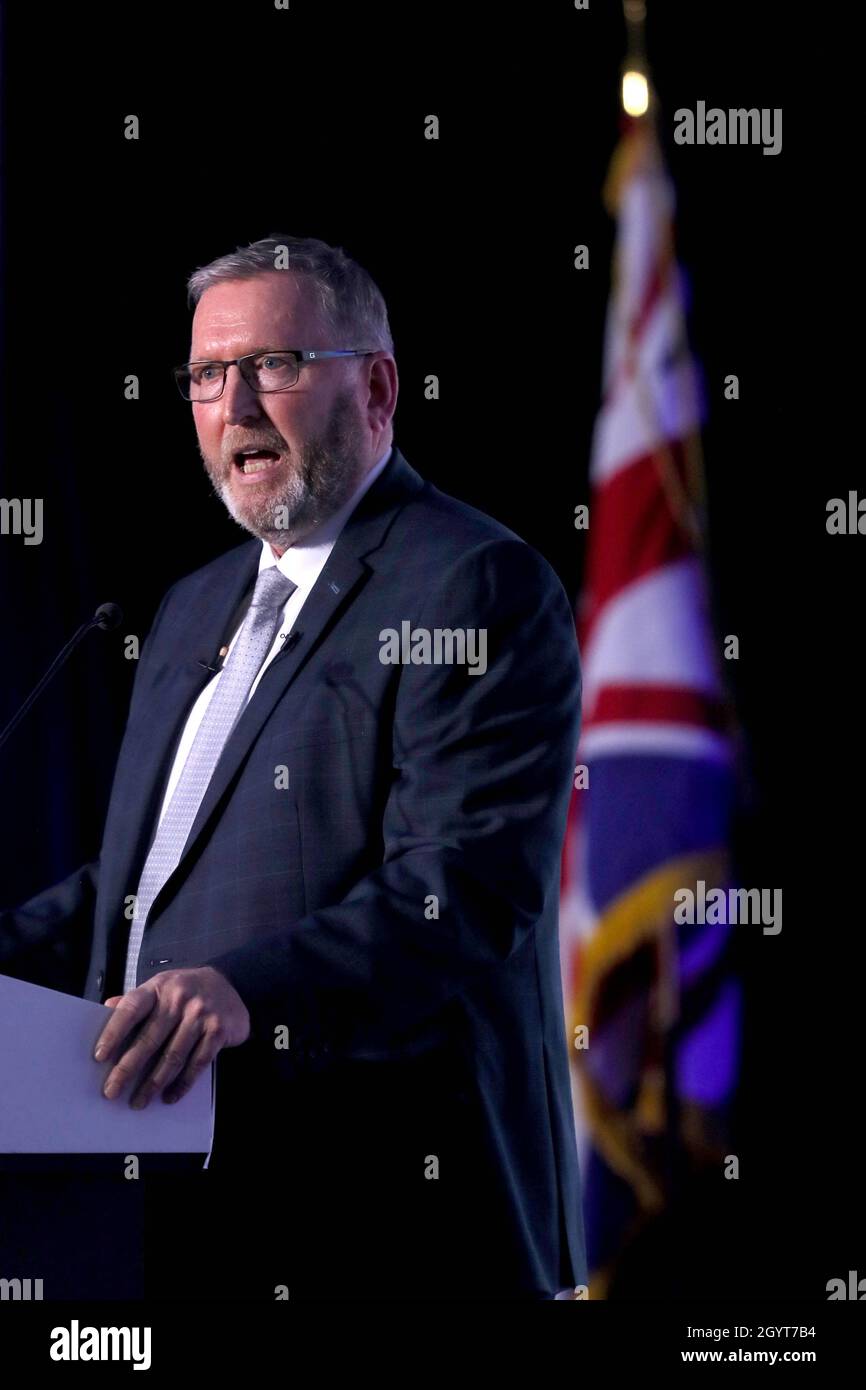
The current leader is Jon Burrows, a former PSNI officer who became an MLA in 2025 and was ratified as party leader in January 2026.
What was the UUP’s response to Beattie’s resignation?
A party spokesperson stated that the UUP does not accept Beattie’s characterization of recent events as described in his resignation letter.
How does this affect the 2027 election?
The resignation creates uncertainty in the Upper Bann constituency. There had been speculation that Beattie was not favored by some within the party for re-selection, and his move to become an independent means he may run against the UUP in the next election, potentially splitting the unionist vote.
The fallout from this resignation will likely be monitored closely as a bellwether for the UUP’s internal health. Whether the party can stabilize under Jon Burrows or whether Beattie’s departure signals a wider exodus of moderate voices remains to be seen. As the 2027 election approaches, the battle for Upper Bann will likely serve as a primary indicator of where the unionist electorate stands on the current leadership’s direction.
