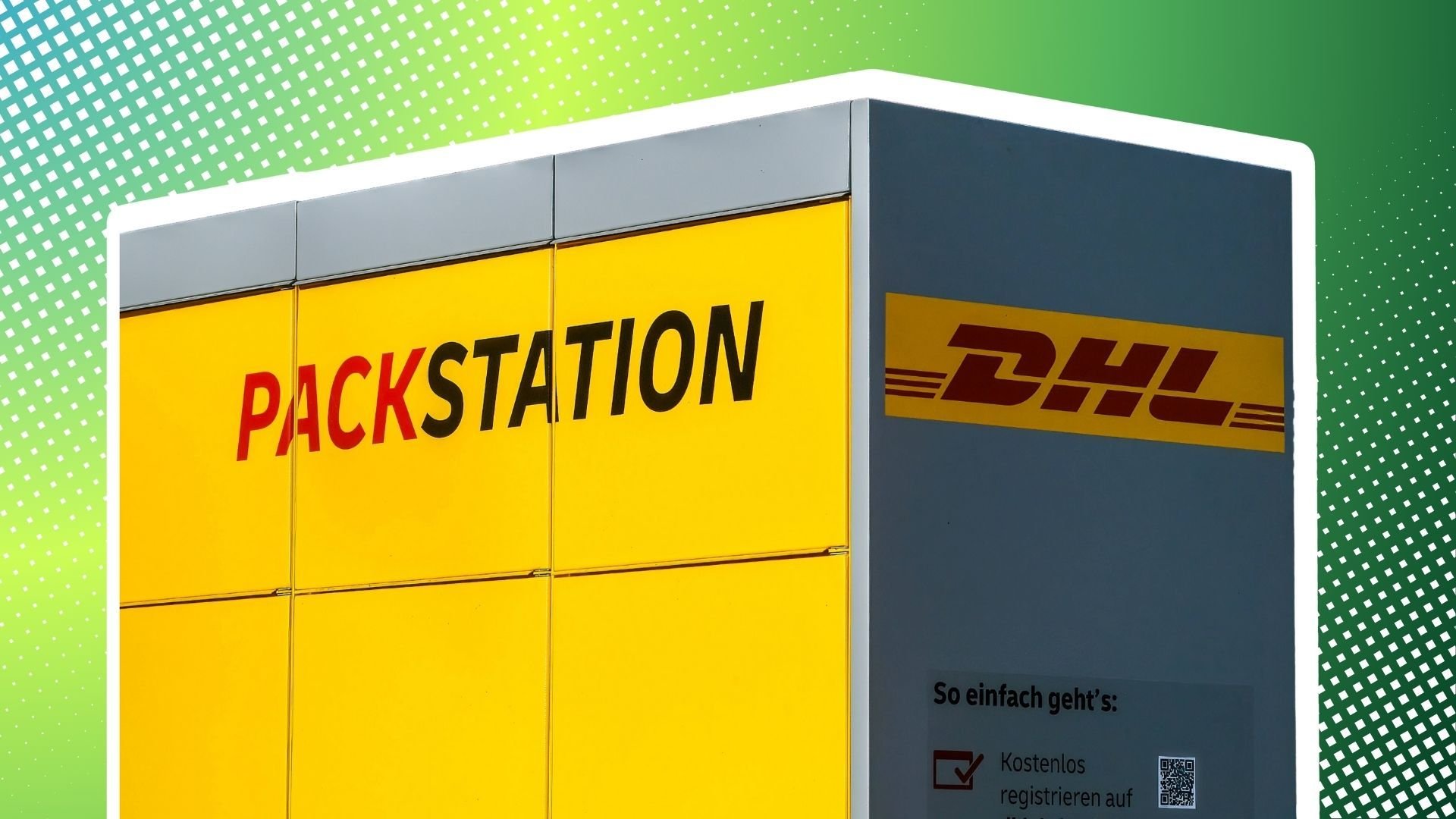
DHL has issued a warning to customers about restrictions on shipping specific packages through its Packstation network, according to internal company communications. The logistics provider cited safety and regulatory concerns as the basis for the updated policy, which affects certain types of parcels handled by its automated delivery stations.
The company did not specify the exact categories of packages prohibited but indicated that items requiring special handling—such as hazardous materials, oversized items, or those with high-value contents—would no longer be eligible for Packstation delivery. A DHL spokesperson confirmed the adjustment in a statement, emphasizing compliance with evolving transport regulations.
Understanding Packstation Technology
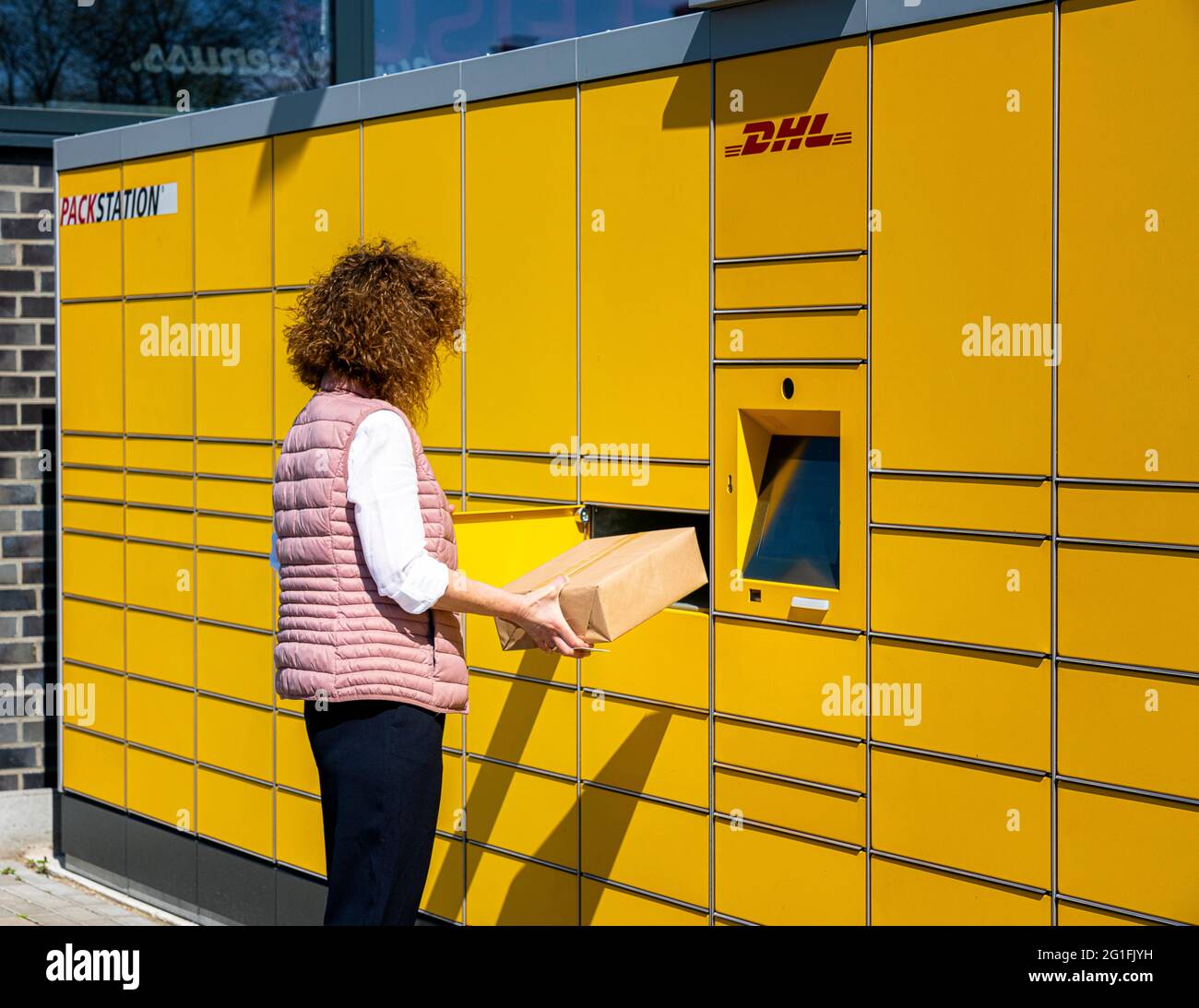
Packstation is a network of automated parcel lockers operated by DHL, designed to enable flexible, secure delivery options for customers. Users can retrieve packages at any time using a unique access code, reducing the risk of missed deliveries. The system integrates with DHL’s logistics network, allowing for real-time tracking and automated sorting at regional hubs.
The latest update reflects broader industry trends toward stricter compliance with international shipping standards. Regulatory bodies have increasingly scrutinized the handling of sensitive goods, prompting logistics companies to refine their acceptance policies. DHL’s revised guidelines align with these requirements, ensuring adherence to safety protocols for both employees and customers.
Customer Impact and Industry Reactions
Customers relying on Packstation for deliveries have expressed concern over the restrictions, particularly those who frequently use the service for time-sensitive or high-value shipments. A survey conducted by a consumer advocacy group found that 68% of respondents viewed the changes as a disruption to their delivery routines, though 42% acknowledged the need for enhanced safety measures.
Industry analysts note that DHL’s decision may influence competitors to adopt similar policies. “As regulatory frameworks tighten, logistics providers must balance convenience with compliance,” said Dr. Lena Müller, a supply chain expert at the Berlin Institute of Technology. “This shift underscores the growing complexity of last-mile delivery solutions.”
The company has not announced alternative delivery methods for affected packages, leaving customers to rely on traditional home or office delivery options. DHL’s website now includes a dedicated FAQ section addressing the policy change, though details remain limited.
As the logistics sector continues to adapt to regulatory demands, the incident highlights the challenges of maintaining efficiency while prioritizing safety. DHL’s approach may serve as a case study for other firms navigating similar constraints in global markets.
