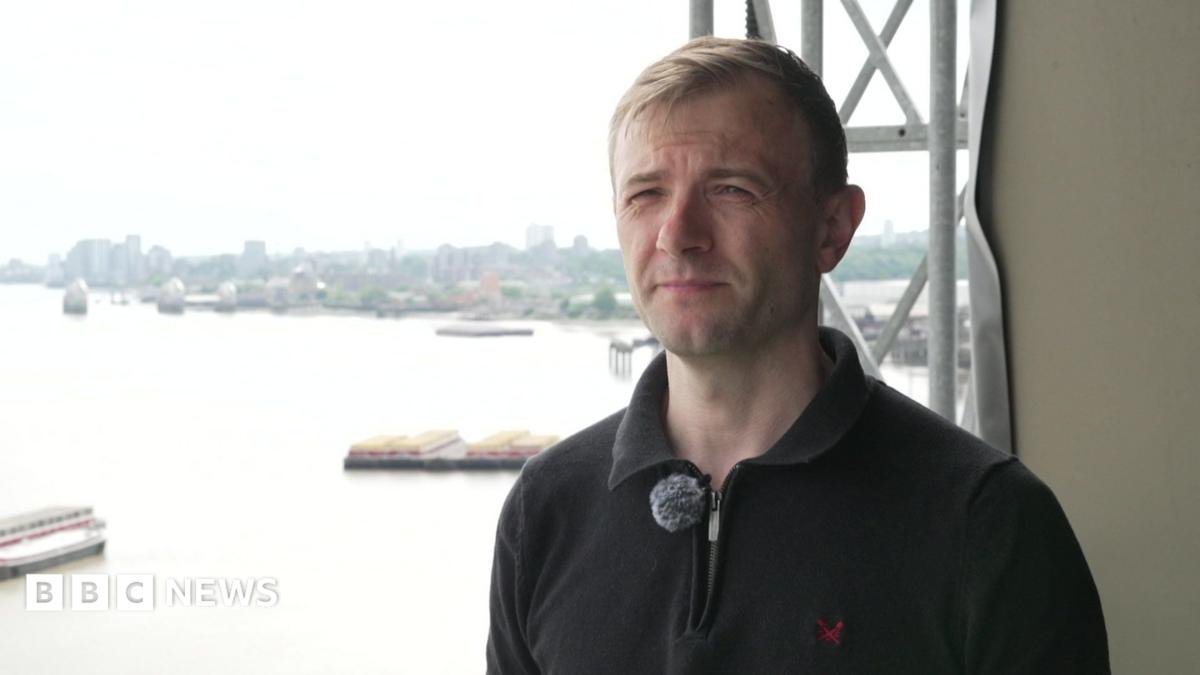
Greenwich Residents Stranded as Cladding Contractor Faces Collapse
Residents in Greenwich are facing significant disruptions after a major cladding contractor entered administration, leaving multiple housing projects in limbo. The collapse of the firm, which has been linked to a £100 million financial shortfall for bond providers, has raised questions about the stability of the construction sector and its impact on local communities.
The Collapse and Its Immediate Impact
The sudden administrative collapse of the cladding company, which had been involved in numerous high-profile projects across London, has left hundreds of residents in a state of uncertainty. According to industry reports, the firm’s failure has directly affected at least 200 housing units in Greenwich, with many residents unable to access their homes or complete necessary renovations.
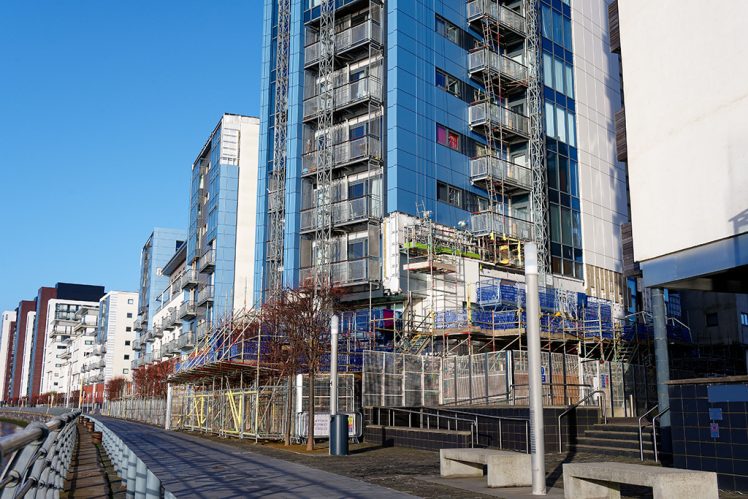
The company’s financial troubles were reportedly exacerbated by rising material costs, regulatory hurdles, and a backlog of unresolved liabilities. A spokesperson for the firm stated that the administration process would allow for a structured resolution of outstanding contracts, though the timeline remains unclear.
Local authorities have confirmed that emergency measures are being implemented to support affected residents. This includes temporary housing arrangements and expedited reviews of alternative contractors to minimize delays. However, the lack of a clear replacement plan has left many residents frustrated.
Who Is Affected?
The collapse has impacted a wide range of stakeholders, including homeowners, rental property managers, and public housing agencies. In Greenwich, a significant portion of the affected properties are part of social housing initiatives, raising concerns about the long-term viability of such projects.

Bond providers, who had invested heavily in the company’s projects, face potential losses estimated at £100 million. This has prompted calls for greater oversight of financial instruments tied to construction contracts. Meanwhile, the firm’s employees, many of whom were directly involved in cladding work, are now seeking alternative employment as the company’s operations cease.
Aldersgate Housing Association, one of the largest landlords in the area, has paused all ongoing projects with the contractor. A spokesperson noted, “The sudden collapse has created a critical gap in our ability to deliver essential housing upgrades. We are working to secure replacement contractors, but the process is complex and time-sensitive.”
Broader Industry Implications
The incident has sparked a wider debate about the fragility of the construction sector, particularly in the wake of post-pandemic supply chain disruptions and inflationary pressures. Industry experts highlight that the cladding company’s collapse is not an isolated case but part of a growing trend of financial instability among mid-sized contractors.
According to a recent analysis by Construction Enquirer, the number of construction firms entering administration has risen by 15% over the past year. This trend is attributed to a combination of factors, including stricter building regulations, increased insurance costs, and a lack of government support for smaller enterprises.
The situation also underscores the risks associated with cladding projects, which have come under scrutiny following high-profile incidents such as the Grenfell Tower fire. In response, some councils have begun reviewing existing contracts to ensure compliance with updated safety standards, further complicating the timeline for project completions.
Reactions and Next Steps
Local politicians have called for urgent action to address the fallout from the collapse. Councillor Michael Langford, representing the Greenwich borough, stated, “This crisis highlights the need for more robust financial safeguards in public housing projects. We must ensure that residents are not left in limbo due to the failures of private contractors.”
Industry leaders have also emphasized the importance of transparency in contractor selection. A representative from the Construction Industry Council noted, “The collapse of this firm serves as a wake-up call for all stakeholders. There is a pressing need for stronger due diligence processes and contingency planning.”
Meanwhile, affected residents have begun organizing to demand clearer communication from authorities. A community group, Greenwich Residents United, has launched a petition urging the local council to provide regular updates on the status of their housing projects.
Future Steps and Uncertainties
The next phase of the crisis will likely depend on the success of efforts to secure replacement contractors. Industry sources indicate that several firms are in preliminary discussions to take over the affected projects, though formal agreements have yet to be announced.

Legal experts suggest that the administration process may result in a restructuring of the company’s debts, potentially allowing for the continuation of some projects under new management. However, this scenario remains uncertain, as the firm’s financial obligations could outweigh its remaining assets.
For residents, the immediate priority is securing temporary housing and navigating the bureaucratic hurdles of switching contractors. Many have expressed concern about the potential for further delays, with some fearing that their homes may remain uninhabitable for months.
Key Points
- The collapse of a major cladding company has left hundreds of Greenwich residents without access to their homes.
- Bond providers face potential losses of £100 million, prompting calls for greater financial oversight.
