
Lung cancer often remains silent until it reaches an advanced stage, largely because the lungs cannot be physically palpated during a standard medical examination. To combat this diagnostic gap, health authorities and medical institutions are expanding access to screening, including the rollout of a major initiative known as Impulsion.
Key Points
- The Impulsion program is implementing large-scale lung cancer screening tests to identify the disease in its earliest stages.
- Medical facilities, including the hospital in Abbeville, are participating in major studies to refine and expand screening protocols.
- Public health efforts are focusing on dismantling the misconception that a lung cancer diagnosis is an automatic “lost cause.”
The Challenge of Invisible Symptoms
Unlike some other forms of cancer that can be detected through physical touch or external exams, lung cancer is internal and often asymptomatic in its early phases. According to health officials at the Abbeville hospital, this biological reality makes proactive screening essential, as clinicians cannot simply feel a tumor during a routine check-up.
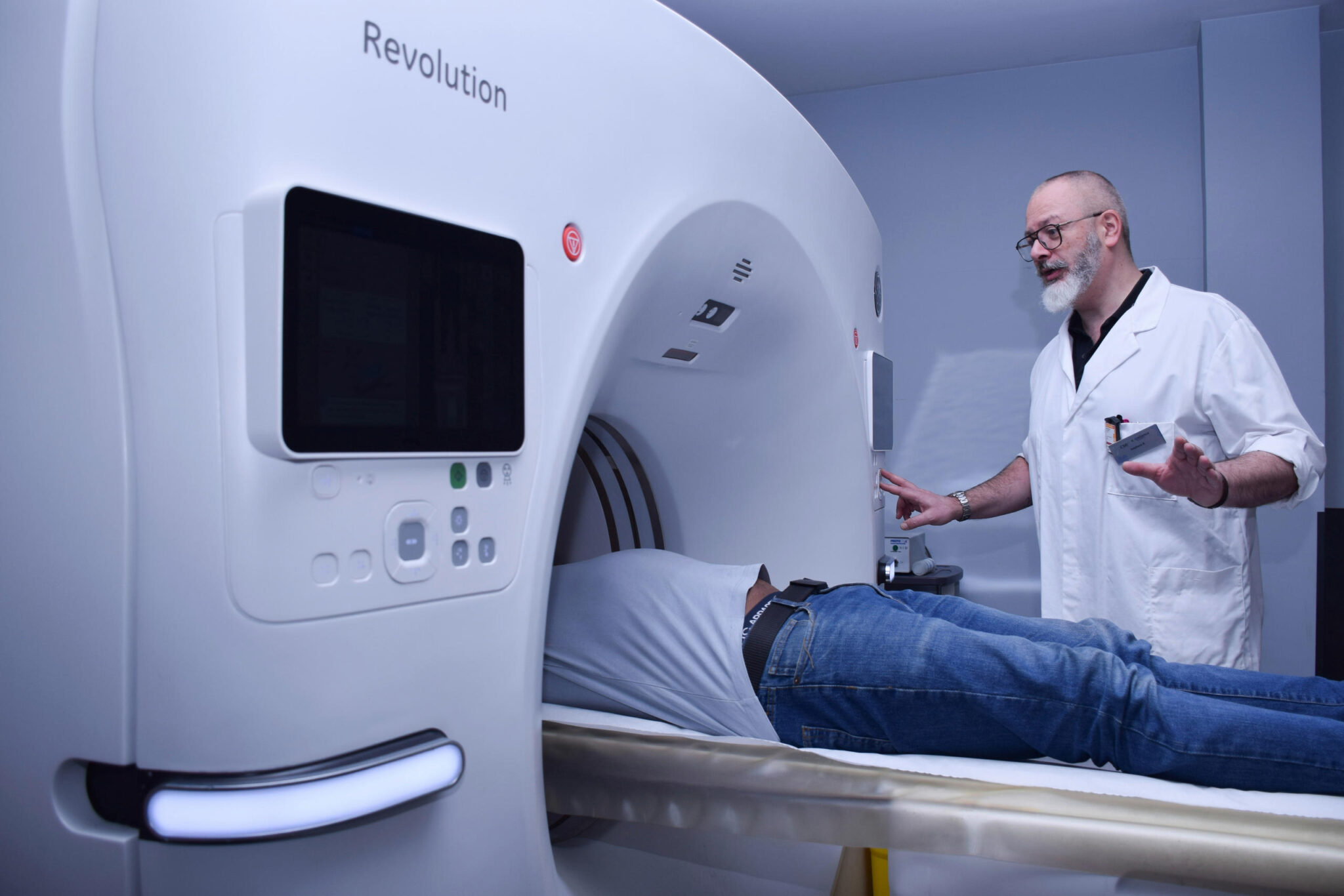
The primary goal of the current screening push is to identify malignancies before they spread, significantly increasing the likelihood of successful treatment and improving patient survival rates.
Addressing Medical Fatalism
Beyond the physical challenges of detection, health providers are battling a psychological barrier: fatalism. Many high-risk individuals avoid screening because they believe that finding the cancer will not change the outcome.
“They think, wrongly, that if cancer is found, it will be a lost cause. Not at all; on the contrary.” Medical staff involved in the screening initiative
Public health advocates, including representatives from France Assos Santé, emphasize that early detection transforms the prognosis from a terminal outlook to a manageable or curable condition. By shifting the narrative from fear to prevention, officials hope to increase participation in screening programs.
The Role of the Impulsion Study
The Impulsion initiative represents a systemic effort to integrate lung cancer screening into broader healthcare delivery. As part of this effort, the hospital in Abbeville is participating in a major study to evaluate the effectiveness and implementation of these tests.
This study aims to refine how patients are identified for screening and how the results are integrated into clinical care. By utilizing these tests, the program seeks to move away from reactive medicine—treating the disease only after symptoms appear—toward a proactive model of early intervention.
