
‘Darling Sister’: Dame Jools Topp Celebrated in Laughter and Song
Dame Jools Topp was farewelled in Auckland during a celebration defined by laughter and song, according to reports from 1News and Stuff. The event honored Topp’s “one-of-a-kind” personality and featured a poignant final tribute from her twin sister, Lynda, alongside a final video message delivered by Topp to the New Zealand public before her passing.
How was Dame Jools Topp farewelled in Auckland?
The farewell for Dame Jools Topp took place in Auckland, structured not as a somber funeral but as a celebration of a life lived with vibrancy. According to 1News, the atmosphere was characterized by music and humor, reflecting the public persona Topp maintained throughout her career. Attendees gathered to share stories and sing, mirroring the energy Topp brought to her professional and personal endeavors.
Stuff described Topp as “one-of-a-kind,” a sentiment that echoed through the event. The gathering served as a collective recognition of her impact on New Zealand culture, blending the grief of loss with the joy of her legacy. The use of song and laughter was a deliberate choice to align the ceremony with Topp’s own spirited approach to life.
Key elements of the celebration included:
- Musical Tributes: Songs were performed to honor Topp’s love for entertainment and her ability to command a room.
- Shared Anecdotes: Guests recounted stories that highlighted her wit and unconventional nature.
- Visual Remembrances: Video footage, including her final message to the country, provided a direct connection to Topp’s voice and spirit.
What did Lynda Topp say in her tribute to her twin sister?
The emotional core of the service was a tribute delivered by Lynda Topp, the twin sister of Dame Jools. In a transcript provided by RNZ, Lynda described Jools as a “beautiful twin” and her “darling sister.” The tribute focused on the unique, lifelong bond shared between the two, emphasizing a connection that transcended typical sibling relationships.
Lynda’s words highlighted the interdependence and mutual support that defined their lives. She spoke to the void left by Jools’ passing, while simultaneously celebrating the indelible mark her sister left on those around her. The tribute was not merely a goodbye but a reflection on a shared history of partnership and friendship.
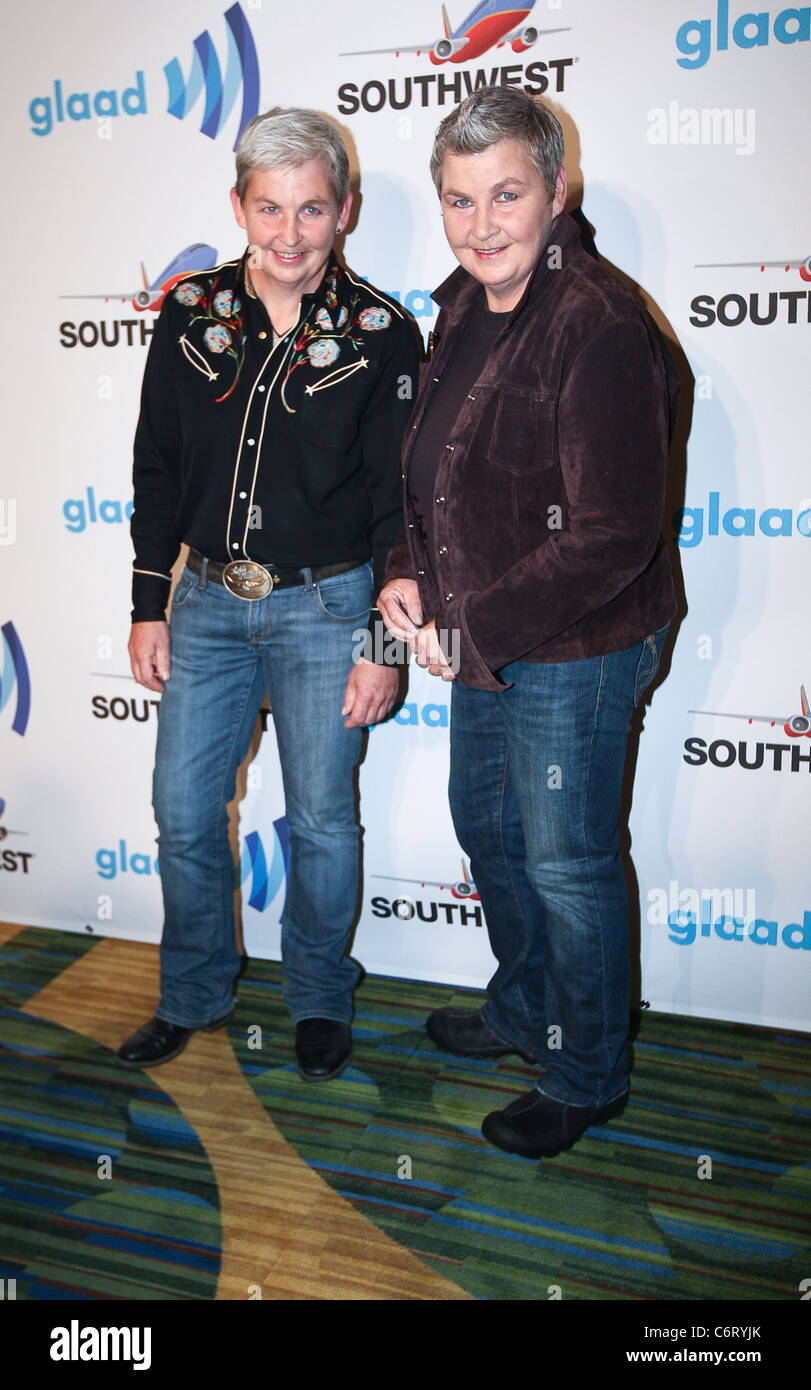
“Goodbye to a beautiful twin,” Lynda Topp stated in her final address, as recorded by RNZ.
The relationship between the Topp twins was a significant part of Jools’ public identity. By centering the farewell on this bond, the event underscored the private side of a woman who was widely known as a public figure. The symmetry of their lives provided a framework for the mourning process, framing the loss as the parting of a pair who had navigated the world together.
What was Jools Topp’s final message to New Zealand?
Before her death, Dame Jools Topp recorded a final message addressed to the people of New Zealand. According to the NZ Herald, this message began with the phrase, “Howdy doody New Zealand,” maintaining her signature cheerfulness even from her deathbed.
The message served as a final act of engagement with her community. Rather than a traditional, solemn farewell, Topp chose to lean into the humor and warmth that defined her life. This decision provided her fans and the general public with a sense of closure that felt authentic to her character.
The impact of this final recording was two-fold:
- Public Comfort: By using a lighthearted greeting, Topp mitigated the tragedy of her passing, encouraging her audience to remember her with a smile.
- Legacy Definition: The recording solidified her image as a woman who refused to be diminished by illness or age, asserting her personality until the very end.
The broadcast of this message during the Auckland celebration acted as a bridge between the private grief of her family and the public mourning of a national icon. It transformed the event from a localized gathering into a broader conversation about resilience and joy.
Why was Dame Jools Topp considered ‘one-of-a-kind’?
The description of Dame Jools Topp as “one-of-a-kind” appears across multiple reports, including those from Stuff and 1News. This characterization stems from her ability to blend high-profile achievement with an approachable, often irreverent, personality. Her appointment as a Dame recognized her contributions to society, yet she remained grounded in a way that resonated with New Zealanders across different social strata.

Topp’s uniqueness was rooted in several factors:
- Unconventionality: She often challenged expectations of how a woman of her status or age should behave, embracing eccentricity and humor.
- Authenticity: Whether in a formal setting or a final video message, Topp maintained a consistent voice that felt genuine to her audience.
- Community Connection: Her ability to connect with people through laughter made her a beloved figure, moving beyond the boundaries of her specific professional achievements.
The celebration in Auckland was essentially a mirror of these traits. The decision to avoid a rigid, traditional funeral structure in favor of “laughter and song” was a direct response to the way Topp lived. To have held a standard, somber service would have been a contradiction of the very essence of the woman being honored.
Comparing media coverage of the farewell
Different media outlets focused on different dimensions of the farewell, providing a comprehensive view of the event when viewed together. While all reported the core facts, the framing varied based on the outlet’s focus.
| Media Outlet | Primary Focus | Key Contribution to the Story |
|---|---|---|
| 1News | Atmosphere and Visuals | Highlighted the “laughter and song” and provided video of the celebration. |
| RNZ | Verbatim Sentiment | Provided the full transcript of Lynda Topp’s emotional tribute. |
| Stuff | Personality and Status | Emphasized her “one-of-a-kind” nature and the Auckland setting. |
| NZ Herald | The Final Word | Detailed the “Howdy doody” deathbed message and its significance. |
The contrast in reporting shows a transition from the public’s experience (1News) to the intimate family experience (RNZ) and the enduring legacy (NZ Herald and Stuff). This multi-angled coverage allows for a deeper understanding of Topp not just as a public figure, but as a sister, a friend, and a communicator.
The sociological impact of Dame Jools Topp’s legacy
The public reaction to Dame Jools Topp’s passing reflects a broader New Zealand appreciation for characters who embody a “larrikin” spirit—someone who is mischievous but well-meaning and fundamentally authentic. By receiving a Damehood, Topp represented a bridge between the establishment and the unconventional.
Her legacy is not just found in her formal achievements, but in the permission she gave others to be themselves. The “Howdy doody” message is a primary example of this. In a culture that often prizes modesty and restraint, Topp’s unapologetic vibrancy stood out. Her deathbed message was not just a greeting; it was a final lesson in facing mortality with grace and humor.
Furthermore, the prominence of the twin bond in the reporting highlights a specific kind of grief. The loss of a twin is often described as the loss of a part of one’s own identity. Lynda Topp’s tribute, as reported by RNZ, serves as a public record of this profound connection, offering a glimpse into the private support systems that enable public success.
For those interested in how national icons are memorialized, the Topp farewell provides a case study in “celebration of life” events. These gatherings shift the focus from the tragedy of death to the achievement of a life well-lived. By prioritizing song and laughter over silence and sorrow, the event ensured that the final public memory of Dame Jools Topp was one of vitality.
Common misconceptions about the event
Because the event was described as a “celebration” filled with “laughter and song,” some might mistakenly assume it lacked the gravity of a funeral. However, the transcripts from RNZ and reports from 1News clarify that the humor did not replace the grief; it coexisted with it.
The laughter was a tribute, not a distraction. The emotional weight of Lynda Topp’s words proves that the event was deeply felt. The “celebration” aspect was a stylistic choice made to honor the deceased’s wishes and personality, rather than a sign that the loss was not felt deeply by the participants.
Another potential misconception is that the “Howdy doody” message was a lighthearted joke. In reality, according to the NZ Herald’s framing, it was a conscious act of generosity toward the public—a way for Topp to provide comfort to those who would miss her by showing them she was still “herself” until the end.
Frequently Asked Questions
Where was Dame Jools Topp’s farewell held?
The celebration of life for Dame Jools Topp took place in Auckland, New Zealand, according to reports from Stuff and 1News.
Who gave the primary tribute at the service?
Lynda Topp, the twin sister of Dame Jools, delivered a poignant tribute in which she referred to Jools as her “darling sister” and a “beautiful twin,” as documented by RNZ.

What was the tone of the memorial service?
The event was described by 1News as being celebrated with “laughter and song,” focusing on a celebratory atmosphere rather than a traditional somber funeral.
What did Dame Jools Topp say in her final message to New Zealand?
According to the NZ Herald, Topp recorded a final message from her deathbed that began with the cheerful greeting, “Howdy doody New Zealand.”
Why was Dame Jools Topp referred to as “one-of-a-kind”?
As reported by Stuff, this term reflects her unique blend of public achievement (including her Damehood) and her vibrant, unconventional, and humorous personality.
The enduring memory of Dame Jools Topp remains tied to her ability to bring people together through joy. From the intimate words of her twin sister to the broad reach of her final video message, her farewell in Auckland mirrored the life she led: loud, loving, and entirely original.
