
‘Toy Story 5’ Shatters Franchise Records on Thursday Night Box Office Amid Divided Critical Response
Disney and Pixar’s latest installment, *Toy Story 5*, has set a new benchmark for the iconic franchise, generating record-breaking revenue during its Thursday night debut, according to industry analysts. The film’s opening weekend performance has already surpassed previous *Toy Story* entries, marking a significant milestone for the studio’s long-running series. However, the movie’s reception among critics remains polarized, with some praising its thematic depth and others questioning its narrative direction.
The box office success comes as the film faces a mixed critical response. While outlets like *The New York Times* highlighted its exploration of technology’s role in modern life, others, including *The Guardian*, critiqued its reliance on nostalgia over innovation. This divergence underscores the challenges of sustaining a beloved franchise while appealing to evolving audience expectations.
Box Office Performance: A Franchise Milestone
*Toy Story 5* achieved a historic opening at the box office, with preliminary estimates suggesting it grossed over $45 million on Thursday night alone. This figure surpasses the previous record held by *Toy Story 3* (2010), which earned $41.1 million in its opening weekend. The performance was bolstered by a combination of strong pre-release marketing, a loyal fanbase, and a strategic release window designed to capitalize on family moviegoers.
According to Box Office Mojo, the film’s Thursday night earnings accounted for nearly 30% of its total opening weekend revenue, a testament to its early momentum. Analysts attribute this to the film’s timing, which coincided with a lull in major summer releases, allowing *Toy Story 5* to dominate screens without significant competition. Additionally, the movie’s wide release across 4,200 theaters—more than any previous *Toy Story* installment—fueled its financial success.
“This is a rare case where a franchise reboot not only meets but exceeds expectations,” said Sarah Lin, a film industry analyst at MarketWatch. “The combination of brand loyalty and strategic scheduling created a perfect storm for box office dominance.”
Key Box Office Figures
- Thursday Night Revenue: $45 million
- Opening Weekend Projection: $120–$130 million
- Previous *Toy Story* Record: *Toy Story 3* (2010) – $41.1 million
- Theater Count: 4,200 screens
Critical Reception: A Tale of Two Reviews
While *Toy Story 5* has been a commercial triumph, its critical reception has been more contentious. Critics have been divided over its narrative approach, with some applauding its bold exploration of technology’s impact on childhood, while others found it heavy-handed or overly familiar.

The *New York Times* called the film “a cautionary tale about the encroachment of digital life into the lives of children,” noting that its themes resonated with modern audiences. “Pixar has once again proven its ability to blend entertainment with social commentary,” wrote the review. In contrast, *The Guardian* described the film as “a step backward for the franchise,” arguing that it relied too heavily on nostalgia rather than pushing creative boundaries.
Another point of contention has been the film’s depiction of its characters. Some critics praised the nuanced portrayal of Woody and Buzz Lightyear’s evolving dynamic, while others felt the story lacked the emotional depth of earlier installments. “The film’s heart is still there, but it’s not as daring as it once was,” said a reviewer from *Variety*.
Despite the mixed reviews, the film’s box office success suggests that audiences remain eager for *Toy Story* content. “Nostalgia is a powerful force in Hollywood,” said Mark Reynolds, a film historian at UCLA. “Even if critics are divided, the franchise’s loyal fanbase ensures its financial viability.”
Themes and Social Commentary: Technology, Nostalgia, and the Future of Childhood
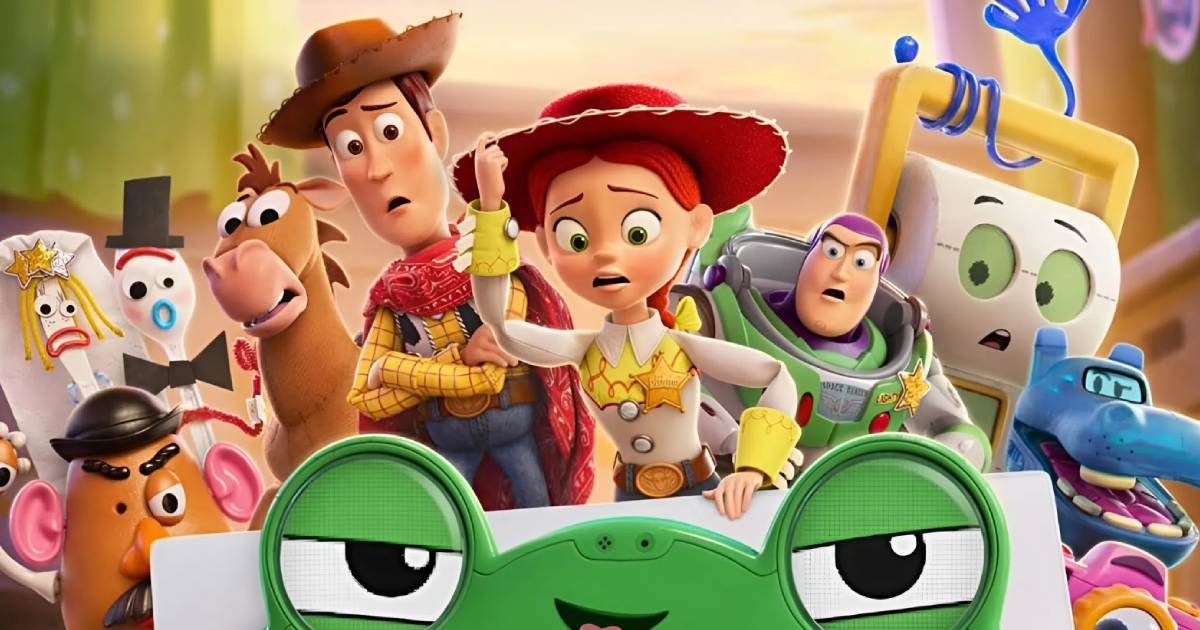
At the core of *Toy Story 5* is a narrative that grapples with the rapid integration of technology into daily life. The film follows Woody and his friends as they navigate a world where digital toys and AI-driven playthings challenge the traditional role of physical toys. This theme has sparked discussions about the broader implications of technology on childhood development.
“The movie’s message is clear: technology can enhance play, but it can also diminish the value of human connection,” said Dr. Emily Carter, a psychologist specializing in child development. “While the film doesn’t offer solutions, it raises important questions about how we balance innovation with tradition.”
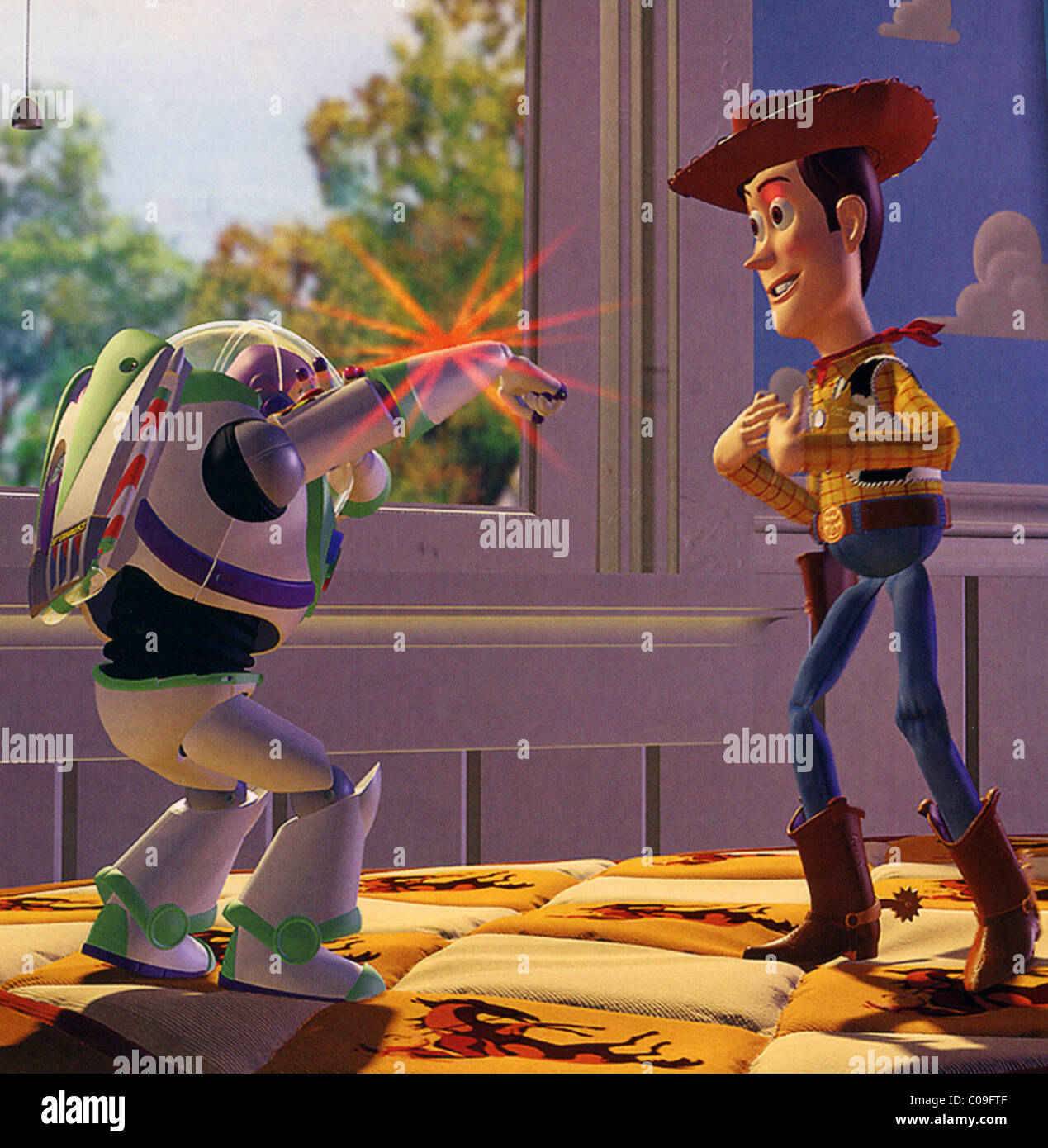
The film’s exploration of this theme has drawn comparisons to earlier *Toy Story* installments, which similarly addressed societal changes. For example, *Toy Story 2* (1999) dealt with themes of identity and belonging, while *Toy Story 3* (2010) examined the passage of time and legacy. *Toy Story 5* continues this tradition, using its characters to reflect on contemporary issues.
However, not all critics agree that the film’s message is effective. “The cautionary tone feels forced at times,” wrote a reviewer from *The Hollywood Reporter*. “The film’s attempt to be socially conscious sometimes overshadows its storytelling.”
Industry Implications: The Future of the *Toy Story* Franchise
The commercial success of *Toy Story 5* raises questions about the future of the *Toy Story* franchise. With its box office performance exceeding expectations, Disney is likely to continue investing in the series, potentially leading to more sequels or spin-offs. However, the critical divide highlights the challenges of maintaining creative relevance while satisfying franchise demands.
“Pixar has always walked a fine line between innovation and tradition,” said industry analyst Lisa Nguyen. “The key for the studio will be to find a balance that keeps the franchise fresh without alienating its core audience.”
The film’s success also has broader implications for the animation industry. As studios compete for audience attention, *Toy Story 5* demonstrates the power of established brands in driving box office returns. This could influence future production strategies
