A King With Three Teams: Curaçao’s Historic World Cup Qualification and the Dutch Connection
Curaçao has become the smallest country in history to qualify for the FIFA World Cup, according to The New York Times. The team is scheduled to make its tournament debut in 2026, facing Germany in a historic opening match reported by AP News, creating a unique diplomatic scenario for the Dutch monarchy as described in Politico.
How did Curaçao become the smallest nation to qualify for the World Cup?
Curaçao secured its place in the 2026 World Cup by navigating a rigorous qualification process, marking the first time a nation of its size has reached the global tournament, The New York Times reports. The achievement places the Caribbean territory in the record books as the smallest sovereign entity to ever compete on the world stage.
The qualification process required the team to overcome regional rivals in the CONCACAF zone. According to the BBC, this ascent allows the island to take “centre stage” on the international sports scene, transitioning from a regional competitor to a global participant. The qualification is viewed not just as a sporting victory but as a milestone for the island’s national identity.
Key factors contributing to this qualification include:
- Strategic Recruitment: Leveraging players with dual nationality to bolster the squad.
- Tactical Leadership: The appointment of experienced coaching staff to manage high-pressure qualifying matches.
- Regional Momentum: A surge in domestic support and infrastructure investment for football on the island.
Who will Curaçao face in their 2026 World Cup debut?
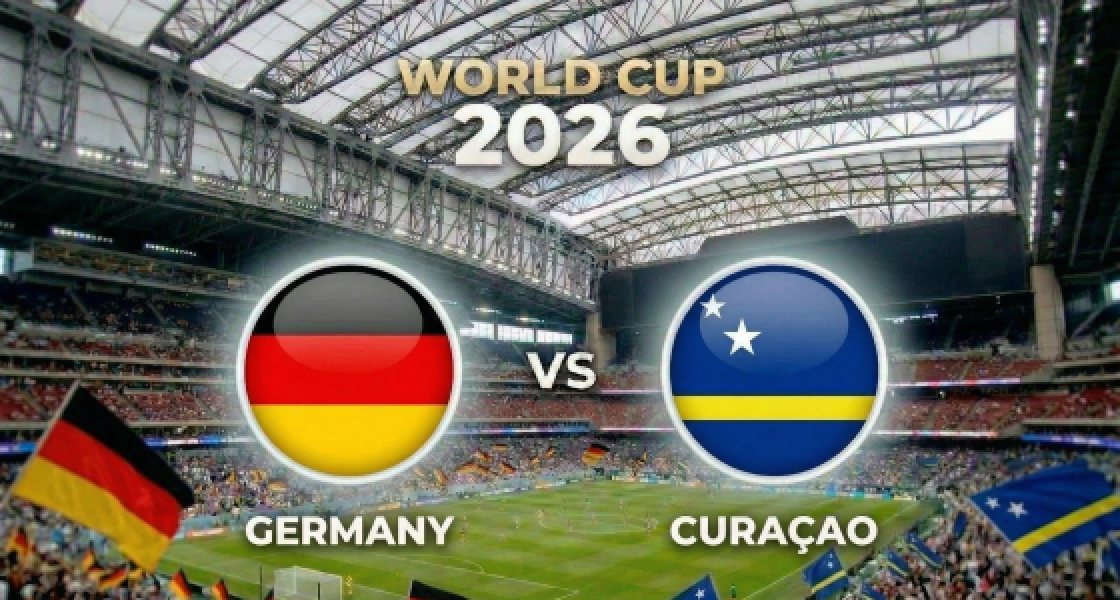
Curaçao is set to face Germany in its first-ever World Cup appearance, AP News reports. The matchup pits one of the tournament’s most decorated powerhouses against a complete newcomer, highlighting the vast disparity in experience and historical success between the two sides.
AP News notes that the island is “embracing” this debut, viewing the match against Germany as a primary opportunity for global visibility. While the odds favor the German side, the matchup serves as a symbolic bridge between a traditional football giant and an emerging Caribbean nation.
The match represents a significant logistical and psychological challenge. According to reports from the BBC, the team is preparing for the intensity of the world stage, recognizing that the 2026 tournament provides a platform to showcase Caribbean talent to a global audience.
Why does the “king with three teams” scenario matter politically?
The qualification of Curaçao creates a rare geopolitical curiosity involving the Dutch monarchy, a situation Politico describes as “a king with three teams.” This refers to the constitutional structure of the Kingdom of the Netherlands, which consists of the Netherlands and three Caribbean constituent countries: Curaçao, Aruba, and Sint Maarten.
King Willem-Alexander serves as the head of state for all four nations. If the Netherlands and Curaçao both compete in the World Cup, the King technically holds sovereignty over two opposing teams. This dynamic underscores the complex relationship between the European mainland and the Caribbean territories, where separate sporting identities coexist under a single crown.
The political implications of this arrangement include:
- Nationalism vs. Loyalty: The tension between the constituent country’s desire for independent recognition and its formal ties to the Dutch Kingdom.
- Diplomatic Visibility: The use of sports as a tool for Curaçao to assert its presence on the world stage independently of the Netherlands.
- Royal Neutrality: The challenge for the monarchy to maintain a neutral stance while representing multiple competing national teams.
This scenario is a manifestation of the “Kingdom” model, where autonomous countries maintain their own foreign and sporting affiliations while remaining linked by a shared monarch.
What is the strategy for Curaçao against global powerhouses?
Dick Advocaat, the manager of the Curaçao national team, has adopted a pragmatic approach to the team’s debut. According to Reuters, Advocaat stated that Curaçao has “nothing to lose” going into the tournament. This mindset is intended to remove the pressure from the players, allowing them to compete without the burden of expectation.
Advocaat’s strategy focuses on the psychological advantage of being the underdog. By framing the debut as a bonus rather than a requirement, the coaching staff aims to foster a fearless playing style. Reuters reports that this approach is central to how the team intends to handle the gap in resources and experience when facing teams like Germany.
The tactical blueprint for the team involves:
“Curaçao have nothing to lose on World Cup debut,” says Advocaat, according to Reuters.
This philosophy suggests a reliance on counter-attacking football and high-intensity defensive organization, designed to frustrate more dominant opponents while capitalizing on limited scoring opportunities.
How does Curaçao’s qualification compare to other small nations?
The qualification of Curaçao is a statistical anomaly in FIFA history. While other small nations have reached the World Cup, the NYT emphasizes that Curaçao’s status as the smallest ever to do so sets a new precedent for the tournament’s inclusivity.
| Entity | Status | Primary Source |
|---|---|---|
| Curaçao | Smallest country ever to qualify | The New York Times |
| Germany | Opponent for debut match | AP News |
| Dick Advocaat | Head Coach / Strategist | Reuters |
| King Willem-Alexander | Sovereign of multiple teams | Politico |
Comparing this to previous “Cinderella stories” in World Cup history, the BBC notes that Curaçao’s arrival is part of a broader trend where smaller nations are becoming more competitive through better tactical coaching and the global movement of players. Unlike previous eras where small nations were often overwhelmed, the current era of football allows for more structured preparation, even for the smallest qualifiers.
What are the broader implications for Caribbean football?
The BBC reports that Curaçao is “ready to take centre stage,” a move that is expected to inspire other small Caribbean nations. The qualification proves that the pathway to the World Cup is accessible to territories that were previously considered non-contenders.
This development is likely to lead to several long-term effects in the region:
- Increased Investment: Potential for more funding into youth academies and grassroots football across the Caribbean.
- Player Motivation: Encouraging players of Caribbean descent playing in European leagues to represent their heritage countries.
- Tourism and Economy: The global exposure from the 2026 tournament is expected to increase interest in Curaçao as a travel destination.
The success of Curaçao challenges the traditional dominance of larger CONCACAF powers, suggesting a shift in the regional balance of power where tactical discipline can overcome population size.
Common misconceptions about Curaçao’s status
A frequent point of confusion involves the legal status of Curaçao. Because it is part of the Kingdom of the Netherlands, some observers mistakenly believe it cannot compete as an independent entity. However, FIFA recognizes Curaçao as a separate member association, allowing it to field its own national team and qualify for the World Cup independently of the Netherlands.
Another misconception is that the team consists entirely of local players. In reality, like many small nations, Curaçao utilizes players who hold dual citizenship, often training and playing in professional leagues in Europe. This hybrid model is what allows a small population to compete with global giants, as noted in the context of their qualification reported by the NYT.
Finally, some view the “king with three teams” scenario as a conflict of interest. In practice, the Dutch monarchy’s role is ceremonial. The King does not influence team selection or tactics, meaning the sporting rivalry remains separate from the constitutional bond.
Frequently Asked Questions
Which country is the smallest to ever reach the World Cup?
According to The New York Times, Curaçao is the smallest country to ever qualify for the FIFA World Cup.
Who is the coach of the Curaçao national team?
The team is led by Dick Advocaat, who has stated via Reuters that the team has nothing to lose in their debut.
Who will Curaçao play in their first World Cup match?
As reported by AP News, Curaçao is scheduled to face Germany in their historic debut.
What does “a king with three teams” mean?
As explained by Politico, this refers to King Willem-Alexander of the Netherlands, who is the sovereign of the Kingdom of the Netherlands, which includes the Netherlands, Curaçao, Aruba, and Sint Maarten. If multiple these nations qualify, he is the head of state for several competing teams.
When will Curaçao make its World Cup debut?
The team is set to appear in the 2026 World Cup, according to reports from the BBC and AP News.
The journey of Curaçao to the 2026 World Cup represents a convergence of sporting achievement and geopolitical curiosity. From the tactical pragmatism of Dick Advocaat to the constitutional anomaly of the Dutch monarchy, the island’s presence in the tournament shifts the narrative of what is possible for the smallest nations in global sports. As they prepare to face Germany, the focus remains on the opportunity for global visibility and the assertion of a unique national identity on the world’s largest athletic stage.
