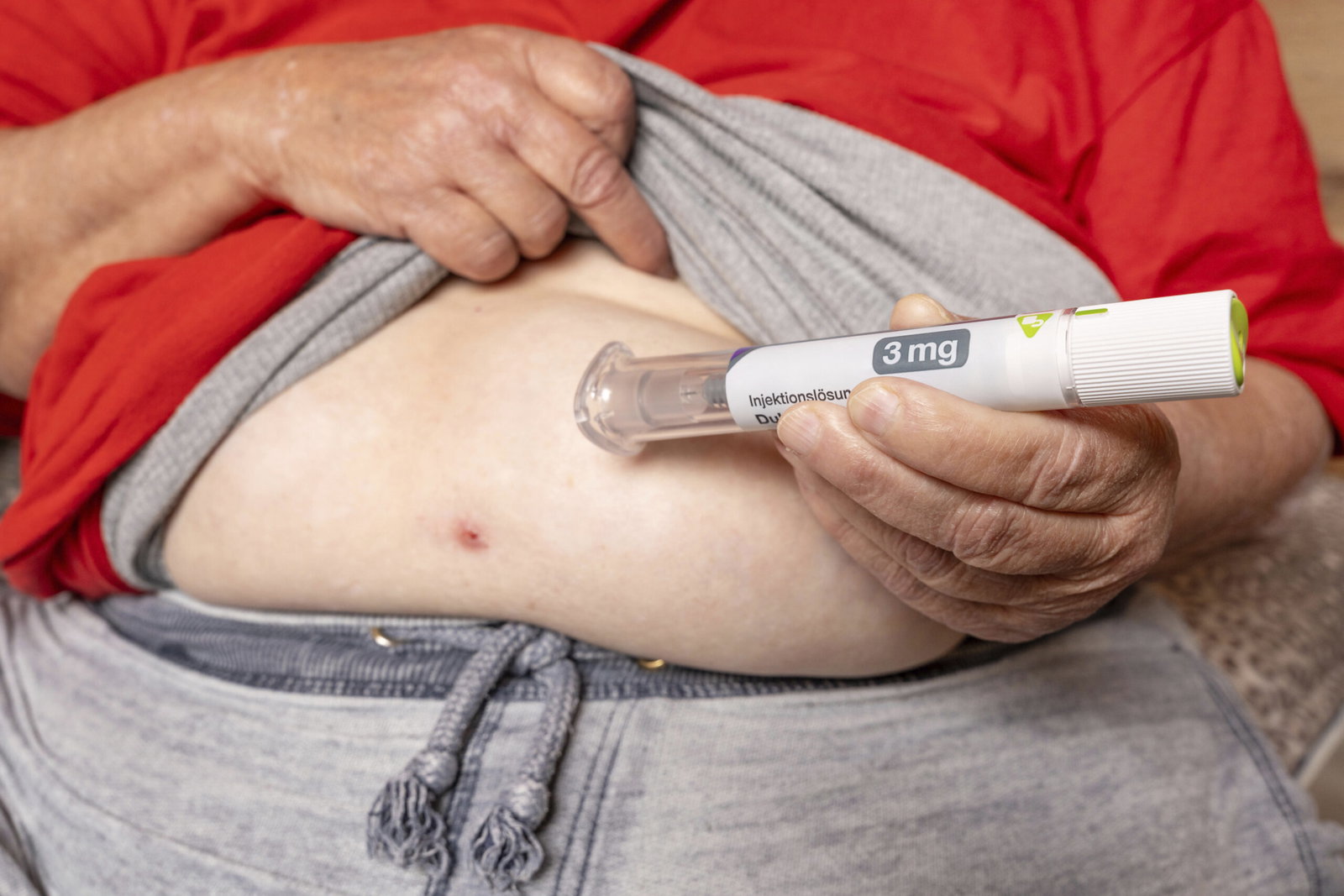
Weight loss stagnation is a common occurrence for patients using GLP-1 receptor agonists such as Ozempic and Wegovy, primarily driven by the body’s natural metabolic adaptation and the loss of lean muscle mass, according to health reports.
- Metabolic Adaptation: The body lowers its basal metabolic rate (BMR) to conserve energy as weight decreases.
- Hormonal Shifts: Hunger hormones like ghrelin often increase, while satiety hormones like leptin decrease.
- Muscle Loss: A reduction in lean muscle mass lowers the total number of calories the body burns at rest.
- Mitigation: Resistance training and high protein intake are cited as primary methods to combat plateaus.
Why Weight Loss Plateaus on GLP-1 Drugs
Patients using GLP-1 medications often experience a rapid initial drop in weight, followed by a period where progress slows or stops entirely. This plateau is largely a result of metabolic adaptation, a survival mechanism where the body reduces its energy expenditure to prevent further weight loss, according to health reports.
As the body becomes smaller, it requires fewer calories to function. However, the metabolism often drops further than what is predicted by the weight loss alone. This creates a gap where the calories consumed, even while on medication, eventually match the body’s lowered energy needs, halting further weight loss.
The Role of Hormonal Changes
The plateau is not only metabolic but hormonal. These medications mimic the GLP-1 hormone to suppress appetite and slow gastric emptying, but the body responds by attempting to restore homeostatic balance. According to the report, this often involves an increase in ghrelin, the hormone that signals hunger, and a decrease in leptin, the hormone that signals fullness.
These shifts can make the appetite-suppressing effects of the medication less potent over time, potentially leading to a gradual increase in caloric intake or a decrease in the perceived efficacy of the drug.
How Muscle Loss Affects Metabolism
A significant contributor to weight loss stagnation is the loss of lean muscle tissue. Because GLP-1 drugs often lead to a substantial reduction in food intake, the body may break down muscle protein for energy alongside fat stores.

Muscle tissue is more metabolically active than fat, meaning it burns more calories even during periods of inactivity. When muscle mass declines, the basal metabolic rate (BMR) drops. This reduction in “resting burn” makes it increasingly difficult to maintain a caloric deficit, contributing to the plateau effect.
Strategies to Overcome Stagnation
To counteract metabolic slowdown and muscle wasting, health reports emphasize the importance of specific lifestyle interventions alongside medication.
- Resistance Training: Lifting weights or performing strength exercises helps preserve and build lean muscle mass, which keeps the metabolic rate higher.
- Increased Protein Intake: Consuming adequate protein is necessary to provide the building blocks for muscle maintenance and to increase satiety.
- Caloric Adjustment: Because a smaller body requires fewer calories, dietary intake may need to be adjusted downward to maintain a deficit.
Medical professionals indicate that dosage adjustments may also be necessary to overcome a plateau, though such changes must be managed strictly under clinical supervision to avoid severe gastrointestinal side effects.
