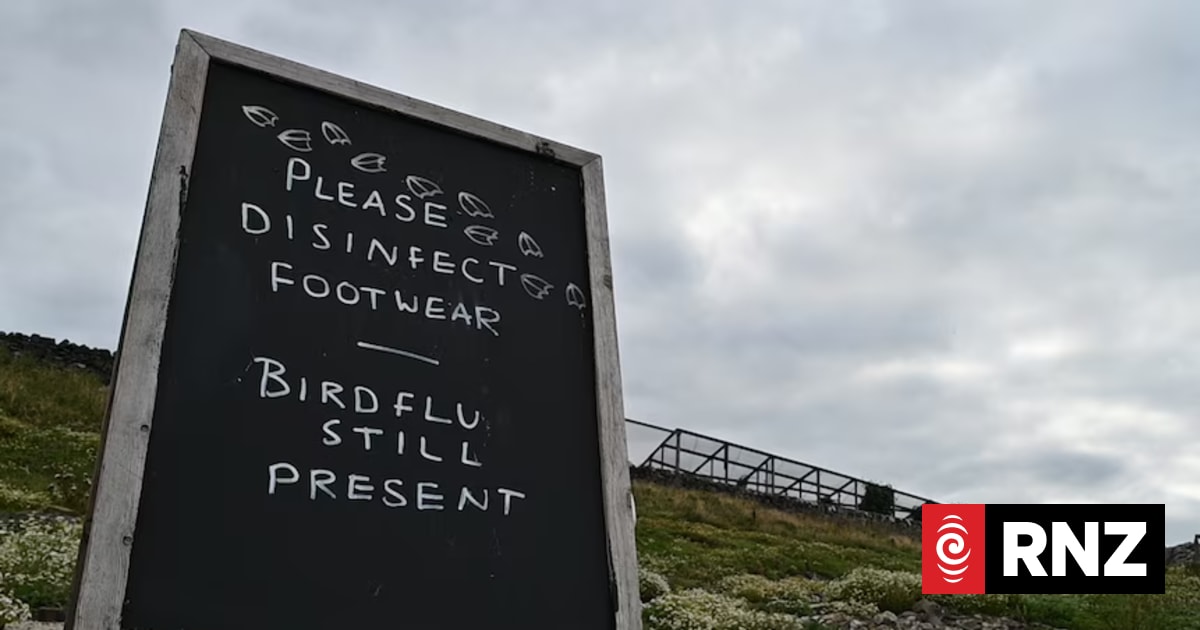
Australia’s first H5 bird flu case ‘sobering but not unexpected’
Australia has confirmed its first mainland case of the deadly H5N1 bird flu variant. Prime Minister Anthony Albanese described the discovery as “concerning,” while health experts characterized the arrival of the virus as “sobering but not unexpected” given the global spread of the strain.
The confirmation of H5N1 on the Australian mainland marks a significant escalation in the regional presence of the virus. According to reports from The Guardian, Prime Minister Anthony Albanese has labeled the situation “concerning,” signaling that the federal government is monitoring the outbreak’s potential to spread. While the case is a first for the mainland, biological experts suggest the event was inevitable due to the movement of migratory birds and the virus’s prevalence in other parts of the world, as reported by rnz.co.nz.
Why is the first H5 bird flu case in Australia significant?
The arrival of H5N1 on the mainland is a critical development because of the virus’s high mortality rate in avian populations and its potential—though currently limited—to jump to humans. The variant confirmed in Australia is described as a “deadly” strain, according to rnz.co.nz. This specific lineage of H5 bird flu has caused massive losses in poultry farms and wild bird populations across Europe, Asia, and the Americas.
For Australia, the stakes involve both public health and economic stability. The poultry industry is a vital part of the national food supply, and an uncontrolled outbreak could lead to widespread culling of birds to prevent further transmission. Experts urge calm, however, noting that the presence of a single case does not immediately signal a pandemic or a collapse of the agricultural sector, as noted by the NZ Herald.
Key factors driving the significance of this case include:
- Agricultural Risk: Potential for rapid spread through commercial poultry flocks.
- Ecological Impact: Threat to native Australian bird species and biodiversity.
- Zoonotic Potential: The ongoing risk of the virus mutating to allow easier transmission between humans.
How are government and health experts reacting to the H5N1 discovery?
Reactions to the mainland case range from cautious concern to calculated expectation. The divergence in tone between political leaders and scientific experts highlights the different lenses through which the crisis is viewed.
Prime Minister Anthony Albanese focused on the immediate worry of the mainland breach, calling the case “concerning” in statements reported by The Guardian. His focus remains on the containment of the virus and the protection of the mainland’s biosecurity borders.
In contrast, health experts have taken a more clinical view. According to rnz.co.nz, these professionals described the event as “sobering but not unexpected.” This perspective stems from the fact that H5N1 has been circulating globally for years, and Australia’s geographic isolation provides a buffer, but not a permanent shield, against migratory avian patterns.
The following table summarizes the varying perspectives on the first mainland case:
| Stakeholder | Characterization of Event | Primary Focus |
|---|---|---|
| Anthony Albanese (PM) | “Concerning” | National biosecurity and containment. |
| Health Experts | “Sobering but not unexpected” | Global viral trends and inevitability. |
| NZ Authorities | “Well prepared” | Cross-border readiness and prevention. |
What is H5N1 and why is it considered deadly?
H5N1 is a highly pathogenic avian influenza (HPAI) virus. While many flu strains circulate among birds without causing severe disease, the H5 variant is known for its ability to cause systemic organ failure in birds, often leading to death within 48 hours of infection. According to rnz.co.nz, the variant confirmed in Australia is part of this deadly lineage.
The virus primarily spreads through saliva, nasal secretions, and feces. In wild birds, it often spreads via migration routes, where infected birds contaminate water sources or nesting grounds. In commercial settings, the virus can be introduced via contaminated equipment, clothing, or feed.
“Experts urge calm as first suspect case of H5 bird flu found in Australia,” according to the NZ Herald, emphasizing that while the virus is lethal to birds, the risk to the general human population remains low unless direct contact with infected animals occurs.
The danger to humans arises from the virus’s potential to mutate. For H5N1 to cause a human pandemic, it would need to evolve the ability to spread efficiently from person to person. Currently, human infections are rare and typically occur in individuals with intense, prolonged exposure to infected poultry or contaminated environments.
How is New Zealand responding to the Australian outbreak?
The confirmation of bird flu in Australia has triggered immediate readiness checks in neighboring New Zealand. Given the close biological and trade links between the two nations, New Zealand officials are treating the Australian case as a warning sign.
According to the Otago Daily Times, New Zealand officials state the country is “well prepared” for a potential arrival of the virus. This preparedness involves heightened surveillance of wild bird populations, stricter biosecurity protocols for imports, and the readiness of veterinary services to implement containment strategies if a case is detected on NZ soil.
The relationship between the two countries’ biosecurity agencies is critical. Because migratory birds do not recognize national borders, the “concerning” situation in Australia directly impacts the risk profile for New Zealand. The “well prepared” stance suggests that NZ has already integrated the lessons learned from Australia’s first mainland case into its own defense strategy.
Comparative Biosecurity Approaches
While Australia is now in a “response” phase—dealing with an active mainland case—New Zealand remains in a “preventative” phase. The goal for New Zealand is to avoid the “sobering” reality Australia is currently facing by utilizing the data coming out of the Australian mainland case to shore up its own defenses.
For more information on how regional biosecurity works, see a related explainer on avian influenza monitoring.
What are the common misconceptions about the H5 bird flu case?
As news of the “deadly” variant spreads, several misconceptions have emerged. It is important to distinguish between the risk to birds and the risk to humans.
Misconception 1: This is an immediate human pandemic
The term “deadly” in the context of H5N1 refers primarily to its impact on birds. While the virus is dangerous to humans who contract it, there is no evidence from the current Australian case that the virus has mutated for human-to-human transmission. Experts, as reported by the NZ Herald, are urging calm to prevent unnecessary panic.
Misconception 2: The virus was “imported” via trade
While trade is always a risk, the “not unexpected” comment from experts reported by rnz.co.nz points toward the natural movement of wild birds. Migratory patterns are the most common vector for HPAI, meaning the virus can arrive without any human intervention or trade failure.
Misconception 3: Australia is unprotected
The fact that a case was detected and identified indicates that surveillance systems are working. The “concerning” nature of the case is not a result of a lack of preparation, but rather a reflection of the virus’s inherent danger. The ability to confirm the case quickly allows for targeted containment.
What are the potential long-term implications for the region?
The first mainland case is likely the start of a more intense period of monitoring for both Australia and New Zealand. The long-term implications fall into three main categories: agricultural, ecological, and public health.
Agricultural Shift: Farmers may be forced to implement more stringent biosecurity measures, such as fully enclosing poultry runs and limiting visitor access to farms. This increases the cost of production but reduces the risk of total flock loss.
Ecological Monitoring: Environmental agencies will likely increase the testing of wild bird carcasses. This is necessary to map the spread of the virus and identify “hotspots” where the virus may be persisting in the environment.
Public Health Vigilance: Health departments will maintain a high state of alert for any respiratory illnesses in people who work closely with birds. The goal is early detection to prevent any potential mutation from going unnoticed.
The “sobering” aspect of the discovery is the realization that the mainland’s natural barriers are no longer absolute. The region must now move from a strategy of total exclusion to one of active management and mitigation.
Frequently Asked Questions
What does ‘sobering but not unexpected’ mean in this context?
This phrase, used by experts according to rnz.co.nz, indicates that while the arrival of H5 bird flu is a serious and alarming event (sobering), it was predicted by scientists because the virus is already widespread globally and migratory birds eventually carry it to new regions (not unexpected).
Is it safe to eat poultry products in Australia?
Generally, yes. Health authorities typically maintain that properly cooked poultry and eggs are safe to consume, as the heat kills the influenza virus. However, the “concerning” nature of the outbreak relates to the health of the birds and the risk of transmission to handlers, not the safety of cooked food.

How did the bird flu reach mainland Australia?
While the specific origin of this case is under investigation, experts suggest that the most likely cause is the migration of wild birds. H5N1 travels along global flyways, allowing the virus to cross oceans and continents via avian hosts.
What is the difference between H5N1 and the seasonal flu?
Seasonal flu is adapted to humans and spreads easily between people. H5N1 is an avian influenza, meaning it is adapted to birds. It is far more lethal to birds than seasonal flu is to humans, and while it can infect humans, it does not currently spread easily from person to person.
Why is New Zealand saying they are ‘well prepared’?
According to the Otago Daily Times, New Zealand has developed biosecurity frameworks and surveillance systems specifically designed to detect and contain highly pathogenic avian influenza before it can establish itself in the local poultry population or wildlife.
