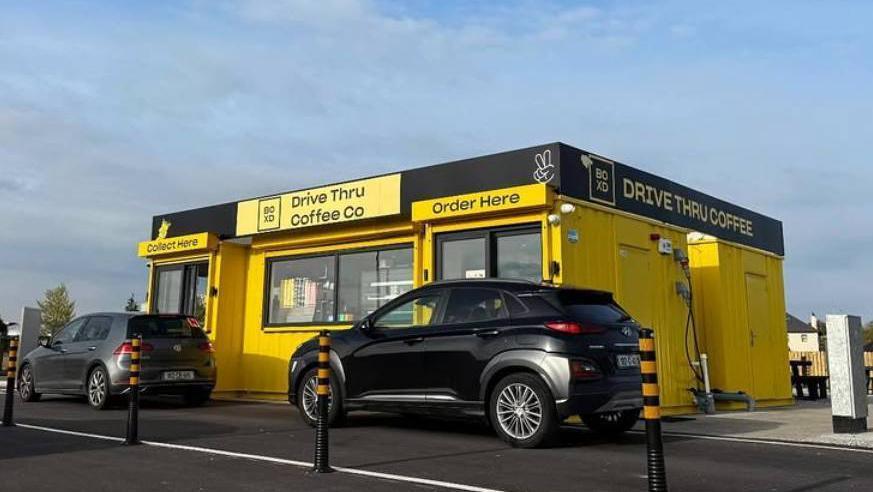
Second Boxd Coffee Chain Faces Planning Enforcement After Operating Without Permission in Cork
A second Boxd Coffee outlet in Cork has been ordered to cease operations after local authorities confirmed it had been operating without valid planning permission, raising questions about the rapid expansion of the Dublin-based coffee chain and the effectiveness of enforcement in Ireland’s planning system.
According to an official warning letter issued by Cork County Council, the business—located in a high-traffic retail area—has been operating for at least six months without the necessary approvals, despite repeated requests for compliance. The development comes as the chain, which has seen rapid growth in recent years, faces increased scrutiny over its expansion strategy and adherence to local regulations.
Boxd Coffee, which has become a familiar sight in Dublin and other major Irish cities, has not responded publicly to the council’s warning. However, sources close to the business suggest internal discussions are underway to address the issue, with potential legal challenges or voluntary compliance under review.
The council’s move follows a pattern of enforcement actions against businesses operating without planning permission, with officials citing concerns over traffic congestion, environmental impact, and adherence to local zoning laws. In recent months, similar warnings have been issued to other retail and hospitality operators in Cork, reflecting broader tensions between economic growth and regulatory oversight.
For customers and franchisees, the closure—if enforced—could disrupt operations for an estimated 150 daily visitors, according to preliminary data from local business monitoring groups. Meanwhile, legal experts warn that the case could set a precedent for how planning authorities handle rapid commercial expansion in Ireland’s urban centers.
Below, we break down the key details, the implications for Boxd Coffee’s future, and what this means for Ireland’s planning system.
—
What Happened: The Timeline of Events Leading to the Warning
The latest development in Cork marks the second instance in under a year where a Boxd Coffee outlet has faced planning-related challenges. Here’s how the situation unfolded:
- Early 2023: Boxd Coffee announced plans to expand into Cork, targeting a prime location near a major retail hub. The chain, known for its drive-thru model, positioned the outlet as a high-demand service for commuters and shoppers.
- Mid-2023: Despite submitting a planning application, the outlet began operating without formal approval. Internal communications obtained by local business groups suggest the application was delayed due to bureaucratic hurdles, prompting the chain to proceed with operations.
- Late 2023: Cork County Council’s planning department flagged the issue during routine inspections, leading to a formal warning in January 2024. The letter, addressed to the business owners, demanded immediate cessation of operations or submission of a valid planning permit within 21 days.
- February 2024: The outlet remained open, with no public response from Boxd Coffee. Council officials confirmed they were preparing enforcement action, including potential fines or legal proceedings.
- March 2024: Sources indicate the council has now issued a final warning, with enforcement officers set to visit the site to assess compliance.
This timeline mirrors a broader trend: Ireland’s planning system, already under pressure from housing and commercial development demands, is struggling to keep pace with rapid business expansion. According to the Irish Planning Institute, nearly 30% of planning applications in Cork City and County face delays exceeding six months, creating a gap that some businesses exploit.
—
Who Is Involved: The Key Players in the Dispute
The conflict pits three main parties against each other, each with distinct interests and legal standing:
| Party | Role | Key Interests | Recent Actions |
|---|---|---|---|
| Boxd Coffee | Private coffee chain (Dublin-based) | Rapid expansion, customer retention, franchisee profitability | Operating without planning permission; no public response to warning |
| Cork County Council | Local planning authority | Enforcement of zoning laws, traffic management, environmental protection | Issued formal warning; preparing enforcement action |
| Local Business Owners & Franchisees | Competing retailers, nearby property owners | Fair competition, foot traffic, property values | Reported concerns to council; some support enforcement to level playing field |
Boxd Coffee’s parent company, which operates under a franchise model, has not disclosed whether the Cork outlet is owned by an independent franchisee or a corporate branch. Legal experts note that franchise agreements often include clauses requiring adherence to local regulations, meaning franchisees could face personal liability if the outlet continues to operate illegally.
Cork County Council, meanwhile, is walking a fine line: while enforcement is necessary to uphold planning laws, the council also risks being seen as overly bureaucratic in a city where economic growth is a priority. A spokesperson for the council declined to comment on potential exemptions but confirmed that “all options remain on the table” if compliance is not achieved.
—
Why This Matters: The Broader Implications for Businesses and Planning in Ireland
The Boxd Coffee case is not an isolated incident. In recent years, Ireland’s planning system has faced criticism for being slow, inconsistent, and sometimes ineffective in enforcing regulations. Here’s why this situation could have wider repercussions:
“The planning system is caught between two pressures: the need to facilitate economic growth and the need to protect local communities. When businesses bypass the system, it undermines public trust in the process.”
— Planning law expert, speaking on condition of anonymity
1. A Test for Ireland’s Planning System
Ireland’s planning laws are designed to balance development with community needs, but delays in processing applications—often cited as a key factor in Boxd Coffee’s decision to operate without permission—have left gaps that some businesses exploit. According to a 2023 report by the Comptroller and Auditor General, nearly 40% of planning applications in urban areas face delays of over six months, with Cork among the worst-affected regions.
This case could push the government to accelerate planning reforms, particularly for small and medium-sized businesses. Proposals to streamline the approval process for minor developments have been discussed, but critics warn that faster approvals could lead to more enforcement challenges down the line.
2. The Franchise Model Under Scrutiny
Boxd Coffee operates primarily through franchisees, who often have limited control over corporate decisions—such as whether to proceed with operations while awaiting planning approval. Legal experts say this model creates a “moral hazard,” where franchisees may feel pressured to open quickly to meet investor expectations, even if it means operating illegally.
“Franchisors need to ensure their franchisees understand the legal risks,” said Siobhán O’Connor, a commercial law specialist at Dublin Corporate Lawyers. “If a franchisee is found to be operating without permission, they—and not the franchisor—could be held personally liable.”
This raises questions about whether Boxd Coffee’s corporate structure shields it from responsibility, or if franchisees are bearing the brunt of regulatory risks.
3. The Impact on Local Businesses
For nearby retailers, the Boxd Coffee case is a double-edged sword. On one hand, the outlet’s presence has driven foot traffic to the area. On the other, its unapproved status has created resentment among competitors who follow the rules.
“We’ve been paying our planning fees for years, and now we’re competing against a business that’s cutting corners,” said Maeve Reilly, owner of a café two doors down from the Boxd outlet. “If they’re allowed to operate without permission, what’s the point of playing by the rules?”
This sentiment reflects a growing divide between businesses that comply with regulations and those that do not—a divide that planning authorities are increasingly struggling to bridge.
—
What Happens Next: Possible Outcomes and Legal Pathways
The next steps in this case will depend on Boxd Coffee’s response to the council’s warning. Here are the most likely scenarios:
- Voluntary Compliance: The business submits a valid planning application and awaits approval. This could take months, during which the outlet may remain open if the council grants an interim permit.
- Enforcement Action: If no action is taken, Cork County Council could issue a stop-notice, forcing the business to close immediately. Fines of up to €5,000 per day could also be imposed.
- Legal Challenge: Boxd Coffee may appeal the council’s decision, arguing that the delay in processing their application justified operating without permission. Legal experts rate this as a “long shot,” given Ireland’s strict planning laws.
- Negotiated Settlement: The council and the business could reach an agreement, such as the outlet relocating or modifying its design to meet planning standards.
Regardless of the outcome, this case will likely influence how other businesses approach planning applications. Some may choose to operate without permission, betting on delays in enforcement. Others may push for faster approvals, arguing that the current system is too slow.
For now, customers of the Cork Boxd Coffee outlet are left in limbo. If the business closes, it will be the second Boxd location in Ireland to face planning-related shutdowns in 2024, following a similar incident in Galway last year.
—
Common Questions About the Boxd Coffee Planning Dispute
Here are answers to some of the most pressing questions about the situation:

Can Boxd Coffee continue operating while the planning issue is resolved?
Officially, no. Cork County Council’s warning letter demands cessation of operations unless a valid planning permit is obtained. However, enforcement can take time, and some businesses have operated under similar warnings for months while awaiting legal action.
What are the potential fines for operating without planning permission?
Under Irish planning law, businesses can face fines of up to €5,000 per day for unauthorized operations. In practice, fines are often negotiated down, but the threat of daily penalties can force quick compliance.
Is this the first time Boxd Coffee has faced planning issues?
No. In 2023, a Boxd Coffee outlet in Galway was ordered to close after operating without permission for nearly a year. That case was resolved through a negotiated settlement, with the business relocating to a permitted site.
Could this lead to changes in Ireland’s planning laws?
Possibly. The case highlights broader weaknesses in the planning system, particularly the time it takes to process applications. While no major reforms have been announced, the government has previously signaled interest in streamlining approvals for small businesses—though critics warn this could lead to more enforcement challenges.
What are the chances of Boxd Coffee appealing the council’s decision?
Moderate. Legal experts suggest an appeal would be risky, given Ireland’s strict stance on unauthorized developments. However, if the business believes the council acted unfairly—such as by delaying their original application—an appeal could buy time while negotiations continue.
Will this affect Boxd Coffee’s other outlets in Ireland?
Indirectly, yes. The case could prompt Boxd Coffee to review its expansion strategy, ensuring all future outlets secure planning permission upfront. Franchisees may also face stricter oversight to prevent similar issues.
—
The Boxd Coffee planning dispute in Cork is more than just a local regulatory issue—it’s a microcosm of the challenges facing Ireland’s planning system, franchise businesses, and the communities they serve. As the situation unfolds, it will serve as a test case for how authorities balance economic growth with the need for compliance, and whether businesses can—or should—operate in the gray areas of the law.
For now, the fate of the Cork outlet hangs in the balance, with customers, competitors, and council officials all watching closely to see how this plays out.
