
Abelardo de la Espriella has been sworn in as Colombia’s next president, ending a tight race that saw him defeat Gustavo Petro’s handpicked successor, Federico Gutiérrez Cepeda, in a runoff election that defied pre-vote projections.
The victory marks a historic shift in Colombian politics, with de la Espriella’s win aligning him with a conservative bloc that includes former President Iván Duque and drawing comparisons to right-wing movements across Latin America. His presidency, set to begin in August 2026, arrives amid economic uncertainty and deep polarization—factors that shaped both campaigns.
How a Conservative Candidate Overturned Pre-Election Polls
De la Espriella’s victory was unexpected by most analysts, who had predicted Cepeda would secure the presidency based on Petro’s approval ratings and the left-wing coalition’s momentum. According to La Silla Vacía, the final vote count revealed a margin of just 0.5 percentage points—a difference so narrow that it triggered a manual recount in key regions. While initial projections showed Cepeda leading by a wider gap, the final tally reversed the trend, handing de la Espriella the majority.
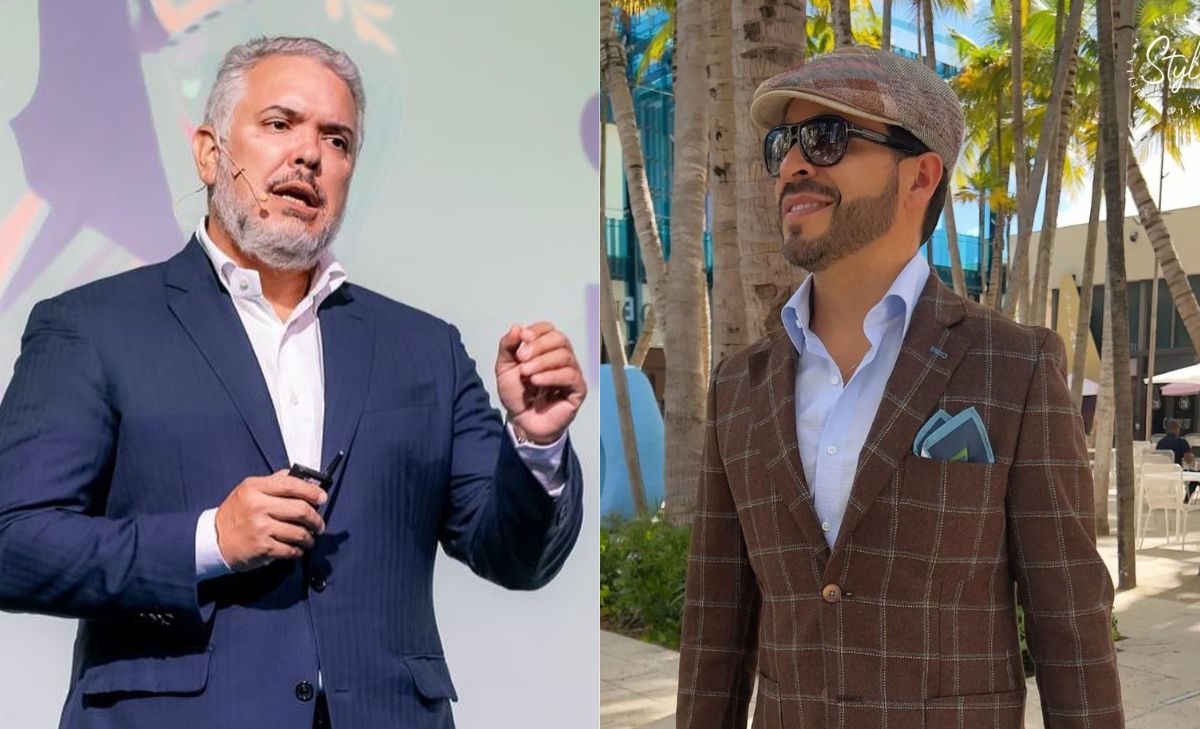
“This is a historic difference between the pre-count and the final result,” said a political scientist at the Universidad de los Andes, noting that similar discrepancies in past elections had often favored the opposition. The shift underscored how closely the race was contested, with de la Espriella’s campaign focusing on economic recovery and security—a platform that resonated in rural areas where Petro’s policies faced skepticism.
Who Is Abelardo de la Espriella?
De la Espriella, a 55-year-old former mayor of Medellín and senator, built his political career on a platform of fiscal austerity and law-and-order policies. His ties to former President Duque’s centrist coalition, Centro Democrático, positioned him as a counterbalance to Petro’s progressive reforms, including legalized abortion and LGBTQ+ rights expansions. While de la Espriella has not publicly opposed these measures outright, his administration’s priorities—such as reviving Colombia’s struggling oil sector and tightening border security—suggest a return to more conservative economic policies.
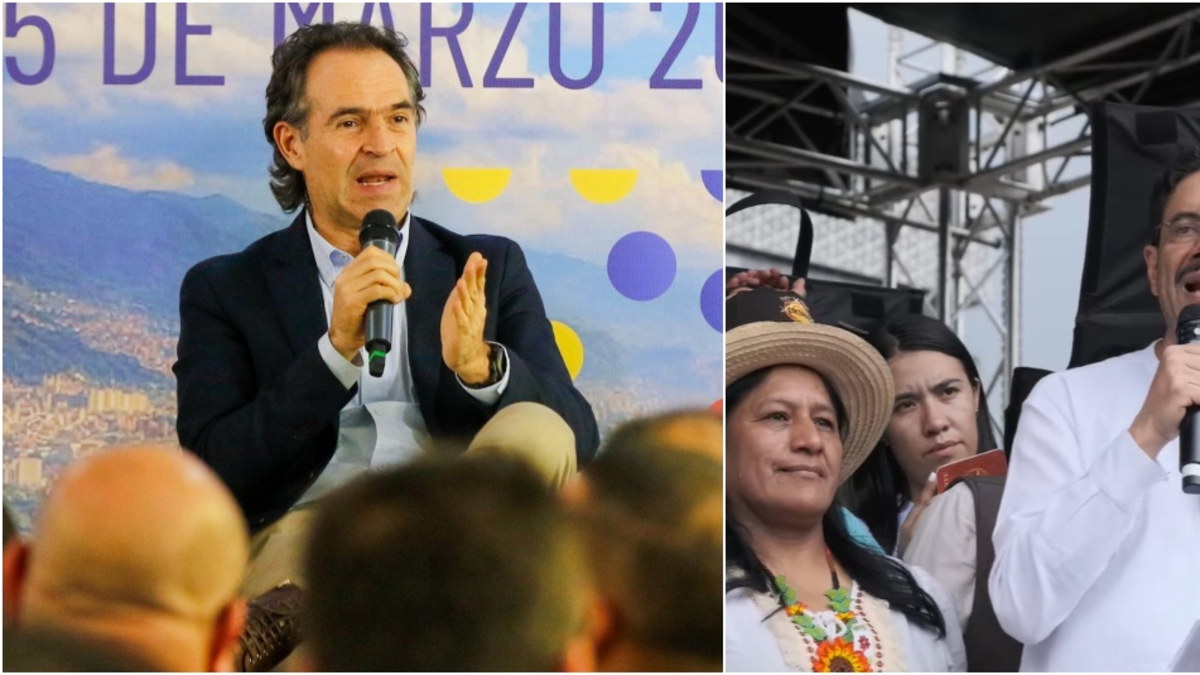
Unlike Petro, whose international alliances included progressive leaders like U.S. President Joe Biden and Spanish Prime Minister Pedro Sánchez, de la Espriella’s election could signal a realignment with right-leaning governments in the region, including Brazil’s Luiz Inácio Lula da Silva’s successor, Jair Bolsonaro’s allies, and Mexico’s conservative opposition.
Why This Election Matters Beyond Colombia’s Borders
De la Espriella’s win carries implications for Colombia’s relationship with the United States, which has historically favored governments prioritizing counter-narcotics efforts and free-market policies. His election could accelerate negotiations on a revised U.S.-Colombia trade deal, stalled under Petro’s administration, while potentially easing tensions with Venezuela’s Nicolás Maduro—a dynamic that had deteriorated under Petro’s leftist government.
Culturally, the election reflects Colombia’s deep divisions. Petro’s presidency had been marked by social protests and labor strikes, while de la Espriella’s campaign framed his opponent’s policies as economically destabilizing. The narrow margin suggests that Colombia remains evenly split between those seeking progressive change and those favoring stability—an ideological clash that will define the next four years.
What Happens Next for Colombia’s Political Landscape
De la Espriella’s inauguration is scheduled for August 7, 2026, but his first major challenge will be assembling a Congress willing to advance his agenda. With no party holding a majority, he will need to negotiate with both left-wing and centrist factions—a task complicated by Petro’s continued influence over the legislative branch.

Economically, de la Espriella has pledged to overhaul Colombia’s tax system and attract foreign investment, particularly in mining and energy. His administration’s approach to the country’s ongoing armed conflict—where talks between the government and dissident FARC factions remain stalled—will also be closely watched by regional allies and critics alike.
For now, the focus remains on the transition. While de la Espriella has not yet named key cabinet members, his early appointments are expected to reflect his pro-business and security-focused priorities.
