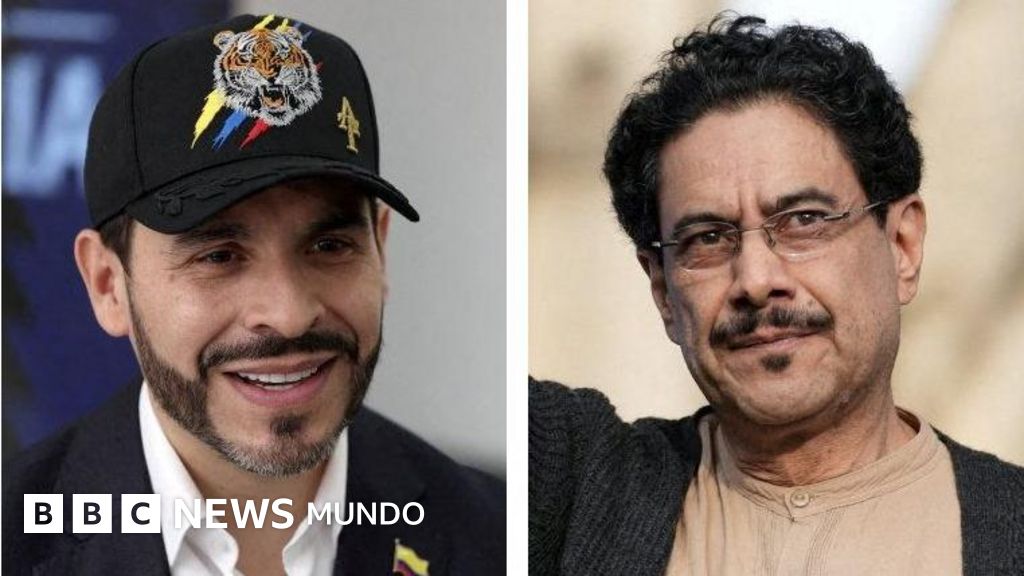
Colombian presidential candidates Abelardo de la Espriella and Iván Cepeda are presenting opposing visions for the country’s governance, with Cepeda recently stating that a constituent assembly is not a priority for his campaign, according to reports from Revista Semana and EL PAÍS. The political contest is framed as a choice between a “regime of force” and “concerted reform,” according to El Espectador.
-
Key Details
- Candidates: Abelardo de la Espriella and Iván Cepeda.
- Cepeda’s Position: A constituent assembly is not a priority; acknowledges failures in the Petro administration.
- Core Conflict: Contrast between a force-based regime and a negotiated reform model.
- Recent Activity: Cepeda is currently meeting with center-political figures.
How do the proposals of De la Espriella and Cepeda differ?
The rivalry between the two candidates represents a fundamental split in Colombian political strategy. According to El Espectador, the choice is between a “régimen de fuerza” (regime of force) and a “reforma concertada” (concerted reform). While Abelardo de la Espriella is associated with the former, Iván Cepeda advocates for the latter, focusing on negotiated changes to the state structure.

The BBC reports that the candidates’ proposals offer contrasting paths for the presidency, reflecting a deep ideological divide on how to handle national security and social reform.
What is Iván Cepeda’s stance on the constituent assembly?
Five days before the elections, Iván Cepeda clarified that establishing a constituent assembly is not a priority for his platform, according to Revista Semana. This position was reiterated during meetings with figures from the political center, as reported by EL PAÍS.
During these discussions, Cepeda also acknowledged that the current government under Gustavo Petro has faced significant problems, according to Revista Semana.
Why are critics calling both models failures?
Despite their opposing views, some analysts suggest that neither candidate offers a viable path forward. La Silla Vacía characterized the two candidates as representing “two models, two failures,” suggesting that both the force-based approach and the concerted reform approach have failed to provide effective solutions for the country.
