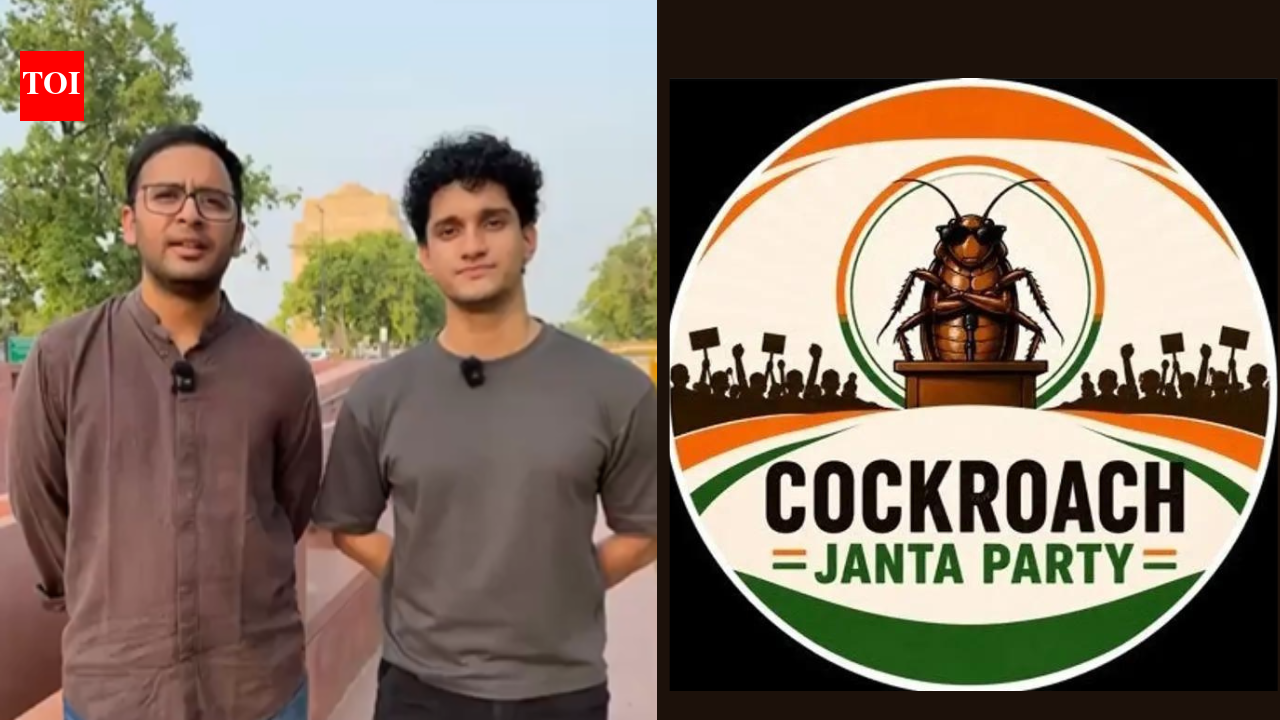
‘Carry Tiranga, apply sunscreen, stay hydrated’: Cockroach Janta Party shares protest itinerary; makes ap – The Times of India
In a move that blends political satire with a meticulously planned public demonstration, the Cockroach Janta Party has released a detailed itinerary and a set of guidelines for its upcoming protest in the capital. The group, led by founder Dipke, has garnered significant attention not only for its unconventional name but for the specific logistical advice provided to its supporters: “Carry Tiranga, apply sunscreen, stay hydrated.”
The planned demonstration, scheduled for June 6 at Jantar Mantar, has already become a flashpoint for legal and administrative debate. While the party focuses on the readiness of its participants, the event has drawn the attention of the judiciary and law enforcement, highlighting the tension between the right to assemble and the state’s desire for preventive security measures.
The Blueprint for Protest: Dos and Don’ts for Participants
The Cockroach Janta Party has not left the preparations for the June 6 event to chance. In a comprehensive list of “dos and don’ts,” the organization has prioritized the well-being and patriotic presentation of its members. The emphasis on hydration and sun protection is particularly poignant given the extreme weather conditions typically experienced in Delhi during early June.
The directive to “carry Tiranga” suggests a desire to align the protest with national identity, while the health-related reminders—sunscreen and water—point toward a pragmatic approach to managing a crowd in the peak of the Indian summer. This blend of nationalistic symbolism and practical survival tips creates a unique profile for the party’s public engagement strategy.
Key highlights from the party’s guidance include:
- National Symbolism: The mandatory or encouraged carrying of the Tiranga (the Indian national flag).
- Health Precautions: Strict advice on applying sunscreen and maintaining hydration to combat heatstroke and dehydration.
- Behavioral Guidelines: A set of “dos and don’ts” designed to maintain order and ensure the protest remains within specific boundaries.
“Carry Tiranga, apply sunscreen, stay hydrated.” — Core directive issued by the Cockroach Janta Party for the June 6 demonstration.
Legal Challenges and the Delhi High Court’s Stance
The eccentricity of the Cockroach Janta Party has not prevented it from becoming the subject of serious legal scrutiny. A Public Interest Litigation (PIL) was recently filed in the Delhi High Court, seeking preventive action against the planned protest. The petitioner in the PIL argued for the necessity of state intervention to prevent potential disruptions or issues arising from the gathering.
However, the judicial response has been one of restraint. The Delhi High Court refused to grant an urgent hearing on the plea seeking preventive action. By declining to expedite the matter, the court has effectively signaled that, at this stage, the legal threshold for emergency intervention has not been met. This decision is a significant victory for the Cockroach Janta Party, as it removes an immediate legal roadblock that could have been used to preemptively ban or restrict the gathering.
Understanding the PIL Process in Protest Contexts
Public Interest Litigations are often used in India to bring attention to matters of public welfare or to stop actions perceived as harmful to the general public. In the context of political protests, PILs are frequently employed by opposing groups or concerned citizens to alert the court to potential law-and-order crises. When a court refuses an “urgent hearing,” it typically means the court does not see an imminent threat that justifies bypassing the standard judicial calendar.
Administrative Hurdles: The Delhi Police Perspective
While the legal battle in the High Court has leaned in favor of the protesters, the administrative side of the event remains unresolved. According to reports, the Delhi Police have yet to receive a formal request or application for the June 6 demonstration at Jantar Mantar.
In the National Capital Territory (NCT) of Delhi, protests at Jantar Mantar are subject to specific regulatory frameworks. Organizers are generally required to notify the police and obtain necessary permissions to ensure that traffic is managed and security is maintained. The absence of a formal request creates a precarious situation for the Cockroach Janta Party: while the court has not stopped them, the lack of police clearance could lead to the protest being declared unauthorized once it begins.
| Stakeholder | Current Position/Status | Key Concern |
|---|---|---|
| Cockroach Janta Party | Preparing for June 6 event; issuing guidelines. | Participant health and patriotic visibility. |
| Delhi High Court | Refused urgent hearing on preventive PIL. | Due process and the threshold for “urgency.” |
| Delhi Police | No formal request received for the protest. | Public order and regulatory compliance. |
The Symbolism of the Cockroach Janta Party
The emergence of a political entity named the “Cockroach Janta Party,” led by Dipke, invites analysis into the nature of modern political expression. The use of the cockroach as a symbol is likely a deliberate choice, evoking themes of resilience, survival and the ability to persist in the harshest of environments—qualities that the party may be attributing to the “Janta” (the people) or their own political endurance.
By pairing a satirical name with a very serious approach to logistics (sunscreen, hydration, and legal battles), the party creates a cognitive dissonance that draws media attention. This strategy is often seen in “joke” or satirical parties globally, which use humor to critique the rigidity of established political structures or to highlight specific societal grievances that traditional parties ignore.
Resilience as a Political Metaphor
The choice of the cockroach may serve as a metaphor for the marginalized or the overlooked. Just as the insect is often reviled yet nearly impossible to eradicate, the party may be positioning itself as a voice for those who persist despite systemic opposition. This framing transforms a pest into a symbol of tenacity.
The Significance of Jantar Mantar as a Venue
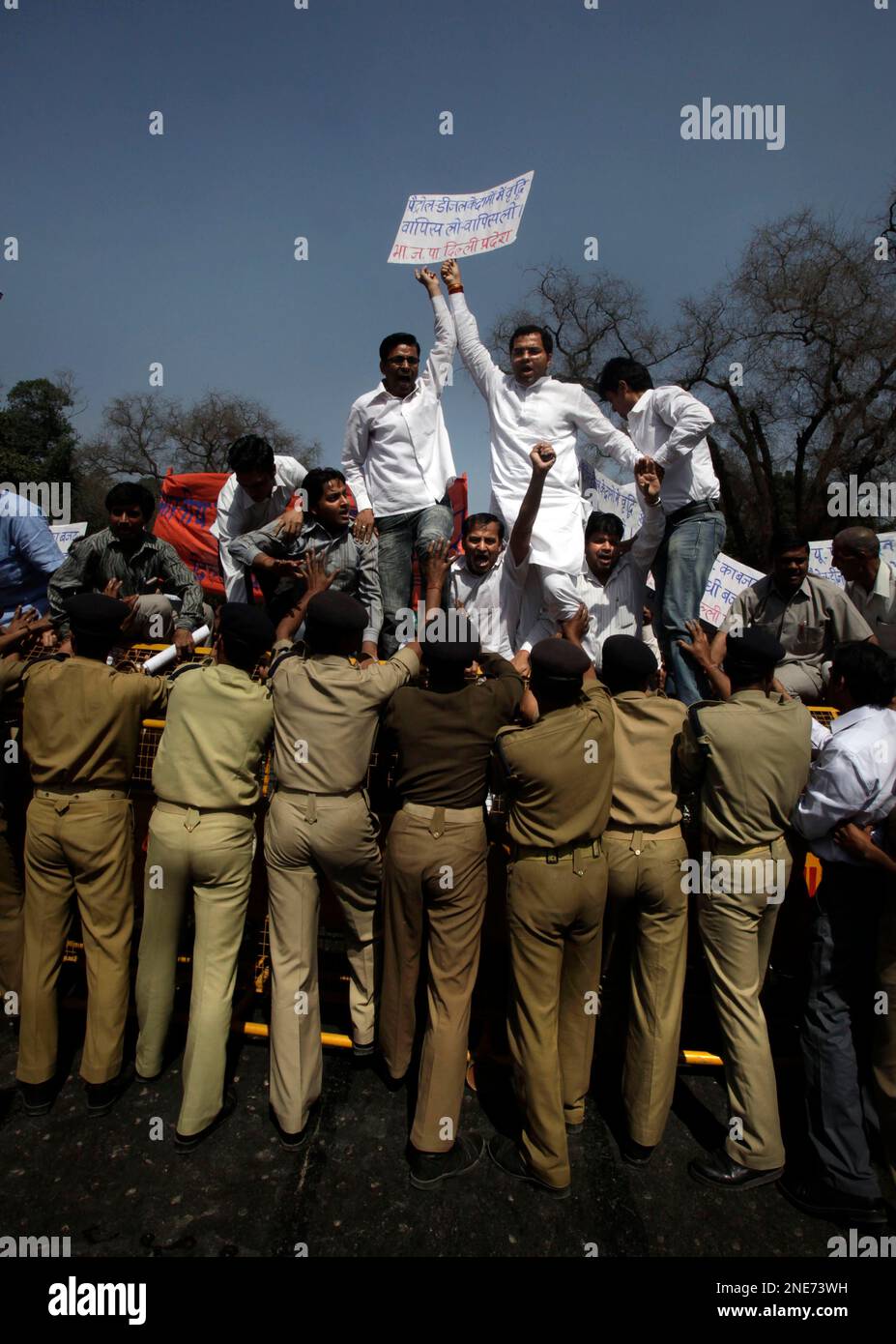
The choice of Jantar Mantar for the June 6 protest is highly strategic. Jantar Mantar is not merely a historical observatory; it is the designated epicenter for peaceful protests in Delhi. For decades, it has served as the primary stage for citizens to voice their grievances to the central government.
Protesting at Jantar Mantar provides several advantages:
- Visibility: The location is a well-known hub for media and government officials.
- Legitimacy: Holding a protest at the designated site signals an intent to follow the established norms of democratic dissent.
- Community: Protesters often find solidarity with other groups concurrently protesting different issues at the same site.
However, the venue is also heavily monitored. The fact that the Delhi Police have noted the lack of a formal request suggests that the “sanctity” of Jantar Mantar does not exempt organizers from the bureaucratic requirements of the city’s administration.
Potential Implications and Future Outlook
The trajectory of the Cockroach Janta Party’s protest provides a window into the current state of civic engagement in the capital. The interplay between the party’s quirky guidelines, the judiciary’s refusal to interfere prematurely, and the police’s procedural requirements creates a complex scenario.
If the protest proceeds on June 6 without police permission, it could lead to a confrontation between the participants and law enforcement. Conversely, if the party manages to secure last-minute clearance, the event could serve as a case study in how satirical political movements can successfully navigate the machinery of the state.
The broader implication is the continued recognition of the right to protest, even when the nature of the protesting entity is unconventional. The Delhi High Court’s refusal to grant an urgent hearing on the PIL suggests a judicial reluctance to stifle assembly based solely on the identity or the perceived absurdity of the organizers.
Observers will be watching to see if the party’s emphasis on “carrying the Tiranga” succeeds in framing their movement as a patriotic endeavor, thereby complicating any attempts by authorities to dismiss them as mere pranksters.
Common Misconceptions Regarding the Protest
Given the unusual name of the organization, several misconceptions have begun to surface. It is crucial to clarify the factual standing of the event based on available reports:
Misconception 1: The protest is a prank with no organization.
Correction: The existence of a detailed itinerary, a founder (Dipke), and the issuance of specific health and safety guidelines indicates a level of organizational planning that goes beyond a simple prank.
Misconception 2: The Delhi High Court has banned the protest.
Correction: On the contrary, the court refused an urgent hearing on a plea that sought preventive action against the protest. This means no such ban has been issued by the court.
Misconception 3: The Delhi Police have approved the event.
Correction: Police reports explicitly state that they have not yet received a formal request for the June 6 demonstration, meaning no official approval has been granted.
Frequently Asked Questions
What is the Cockroach Janta Party?
The Cockroach Janta Party is a political entity led by founder Dipke. While it employs unconventional branding, it has recently organized a public protest and provided detailed logistics for its supporters.
When and where is the Cockroach Janta Party protest happening?
The protest is scheduled for June 6 at Jantar Mantar in Delhi.
What were the specific instructions given to the protesters?
The party issued a list of “dos and don’ts,” specifically advising participants to “Carry Tiranga, apply sunscreen, stay hydrated” to prepare for the event and the summer heat.
Why was the Delhi High Court involved?
A Public Interest Litigation (PIL) was filed seeking preventive action against the protest. However, the court refused to grant an urgent hearing on the matter.
Has the Delhi Police given permission for the June 6 event?
As of the latest reports, the Delhi Police have stated that they have not yet received a formal request for the demonstration.
For those interested in the legalities of public assembly, you may find a related explainer on the right to protest in India useful for understanding the broader context of such events.
