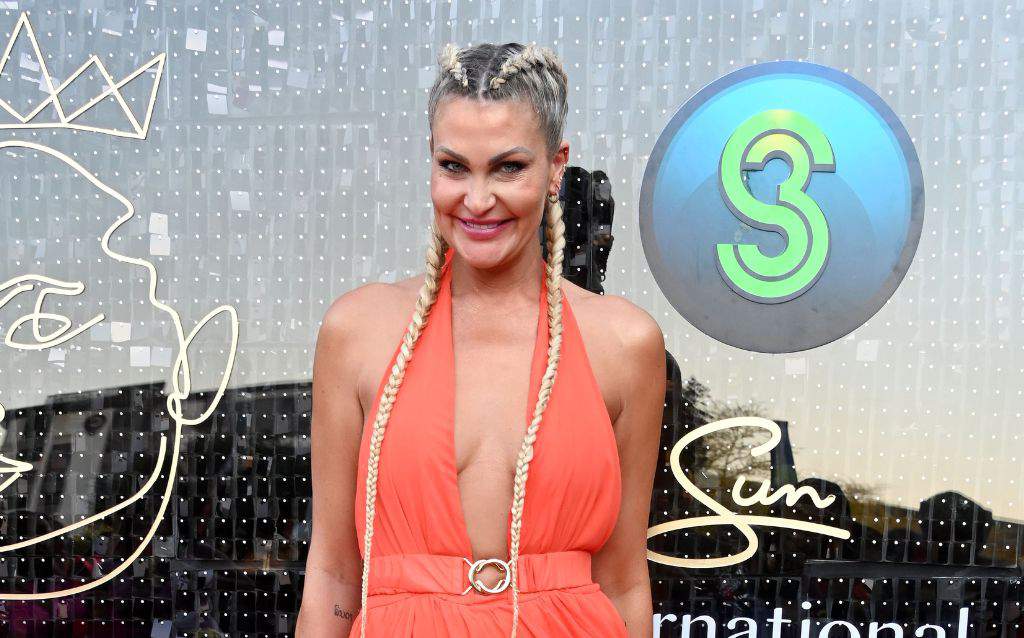
Claudia Henkel’s Social Media Break: A Public Figure’s Fight Against Online Harassment
Ex-Miss South Africa Claudia Henkel announced a temporary withdrawal from social media platforms after citing relentless online harassment as a significant contributor to her emotional distress, according to multiple reports. The decision has sparked broader conversations about the psychological toll of digital scrutiny on public figures and the need for systemic changes in online behavior.
What Led to the Social Media Break?
Henkel, who won the Miss South Africa title in 2021, revealed in a public statement that sustained online bullying had reached a breaking point. “The negativity I’ve faced has been overwhelming,” she said. “It’s not just about criticism; it’s about personal attacks that have affected my mental well-being.” While specific incidents were not disclosed, she emphasized the cumulative effect of harsh comments and targeted vitriol.

Experts in digital psychology note that public figures often face disproportionate scrutiny. Dr. Linda Carter, a clinical psychologist specializing in media effects, explained that “the anonymity of online spaces can embolden individuals to express hostility they’d never voice in person. For someone in the public eye, this can feel like a constant barrage.”
The Timeline of Events
Henkel’s social media activity began to decline in late 2023, with her posting less frequently and engaging less with followers. By early 2024, she formally announced her decision to step back, citing mental health as the primary reason. This move followed a series of high-profile incidents where she faced backlash over personal choices, including her career trajectory and public advocacy work.
Her decision coincided with a growing trend of celebrities and influencers taking breaks from social media to prioritize mental health. In 2023, a survey by the Global Mental Health Alliance found that 68% of public figures reported experiencing severe stress due to online harassment, with 42% taking temporary digital detoxes.
Who Is Involved and What Are Their Stances?
Henkel’s decision has drawn support from advocacy groups focused on online safety. The Digital Rights Foundation, a South African nonprofit, praised her decision as a “courageous step toward reclaiming personal space in an increasingly hostile digital environment.” The organization has been vocal about the need for stricter moderation policies on platforms like Instagram and Twitter.

Conversely, some critics argue that public figures should not “censor” themselves in response to criticism. “If you’re in the spotlight, you have to accept scrutiny,” one anonymous commenter wrote on a social media forum. However, mental health advocates counter that this perspective overlooks the difference between constructive feedback and malicious harassment.
Public and Private Reactions
Among her peers, Henkel’s decision has resonated deeply. Former pageant winners and influencers have shared similar experiences, highlighting the lack of support systems for those navigating online hostility. “It’s isolating,” said one anonymous former contestant. “You’re expected to be resilient, but no one prepares you for the emotional weight of it.”
On the other hand, some fans expressed concern over her absence from social media. “I miss seeing her updates,” one follower wrote. “But I understand why she needs space.” This duality reflects the complex relationship between public figures and their audiences, where admiration and criticism often coexist.
Why This Matters: The Broader Implications
Henkel’s case is part of a larger global conversation about the role of social media in shaping public perception. According to a 2023 report by the Pew Research Center, 70% of adults in South Africa use social media, with platforms like Facebook and TikTok being the most popular. The same study found that 34% of users have experienced online harassment, with women and public figures disproportionately affected.
The issue also intersects with broader debates about free speech versus accountability. While platforms like Twitter and Instagram have implemented reporting tools, critics argue that enforcement remains inconsistent. “Moderation policies often prioritize profit over user safety,” said Jamal Adams, a digital rights researcher. “When a celebrity like Henkel speaks out, it forces these companies to confront their shortcomings.”
Comparisons to Similar Cases
Henkel’s situation mirrors that of other public figures who have taken similar steps. In 2022, British influencer Zara Phillips temporarily left Instagram after facing racial slurs, while American actress Emma Stone took a break from social media following a harassment campaign. These cases underscore a recurring pattern: the personal cost of visibility in the digital age.

However, Henkel’s case is unique in its focus on the emotional impact rather than specific incidents. “She’s not just reacting to one event; she’s addressing a systemic issue,” said Dr. Carter. “This could inspire others to prioritize their well-being without fear of judgment.”
The Path Forward: What Comes Next?
Henkel has not specified when she plans to return to social media, stating only that she needs time to “recharge and focus on healing.” Her representatives have not commented further, leaving the situation open to speculation. However, her decision has already prompted discussions about the need for better support structures for public figures.
Some organizations are pushing for policy changes. The South African National Association of Social Workers has called for mandatory mental health training for celebrities and their teams, while tech companies are under pressure to improve reporting mechanisms. “This isn’t just
