
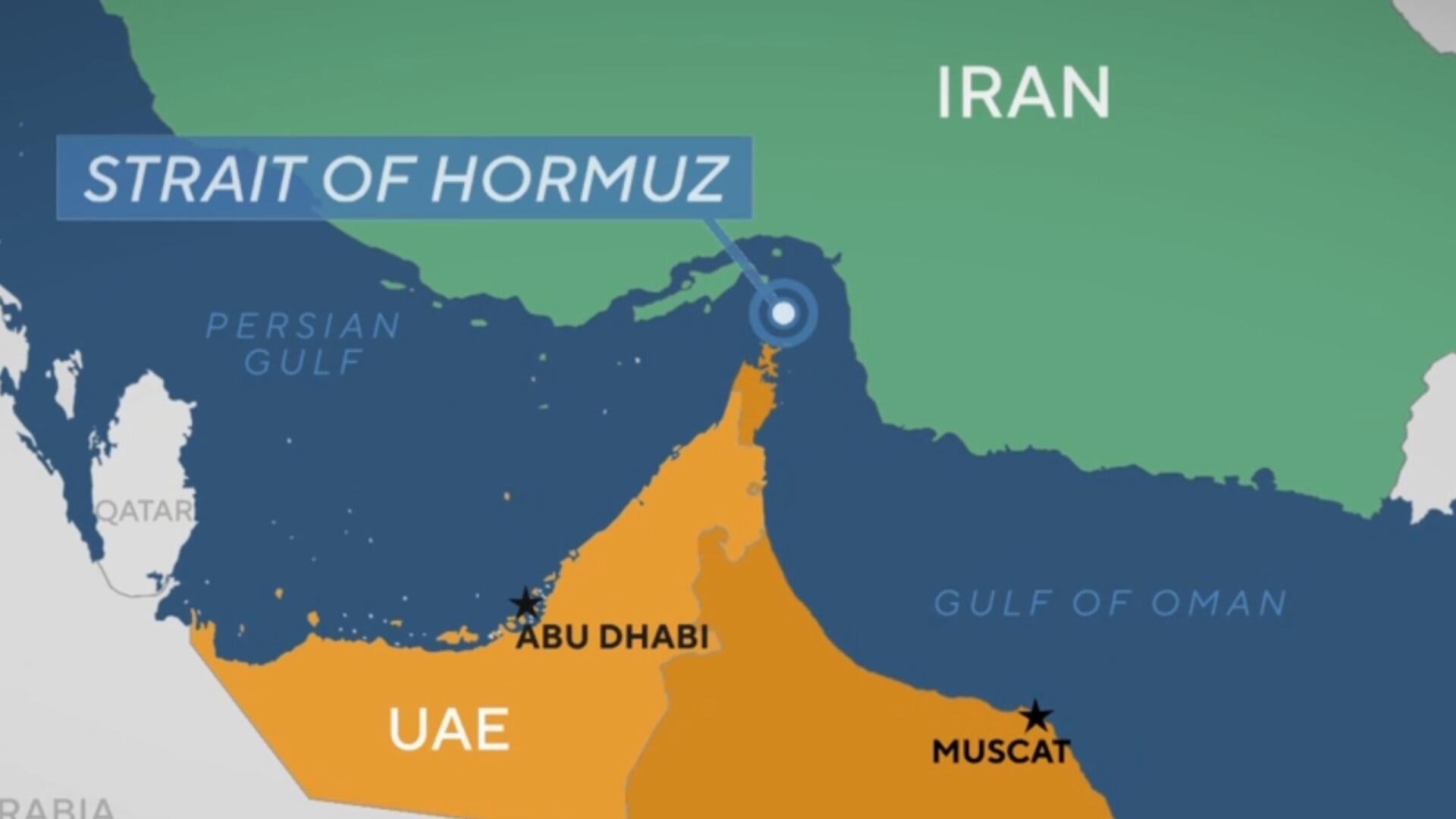
Beijing is intensifying its diplomatic intervention in the ongoing conflict in Iran, positioning itself as a primary mediator while seeking to secure critical economic and geopolitical advantages. The Chinese government has issued urgent calls for a “complete” end to the hostilities and the immediate restoration of maritime traffic through the Strait of Hormuz.
Fast Facts
- China’s Primary Demands: A lasting ceasefire in Iran and the full reopening of the Strait of Hormuz.
- Diplomatic Stance: Beijing describes itself as a “reliable strategic partner” of Iran.
- Strategic Goals: Ensuring energy security via Hormuz and expanding regional influence over competing powers.
Urgent Calls for De-escalation
The Chinese government has moved to exert pressure for a swift resolution to the war, demanding an immediate and total cessation of fighting. Central to Beijing’s diplomatic efforts is the status of the Strait of Hormuz, a vital artery for global energy shipments. Chinese officials are urging a permanent ceasefire to facilitate the reopening of the waterway, which is essential for maintaining international trade stability.
Strengthening the Strategic Alliance
As the conflict persists, China is reinforcing its ties with Tehran to solidify its role as a key power broker in the region. The Chinese Ministry of Foreign Affairs has emphasized the depth of the bilateral relationship, with high-ranking officials framing China as a steadfast ally.
China is a reliable strategic partner of Iran. Wang Yi
The Geopolitical Calculation
Analysts suggest that Beijing’s intervention is designed to yield a dual benefit. By leading the push for a breakthrough at the Strait of Hormuz, China aims to secure its own energy interests while simultaneously enhancing its global prestige as a peacemaker.
This strategic positioning comes at a time when the conflict is shifting regional dynamics. According to reports, the instability is driving rivals toward Beijing, allowing China to expand its influence in the Middle East as other global powers struggle to manage the crisis. By filling the diplomatic vacuum, China is leveraging the war to draw traditional rivals closer to its orbit, effectively transforming a regional security crisis into a long-term geopolitical gain.
