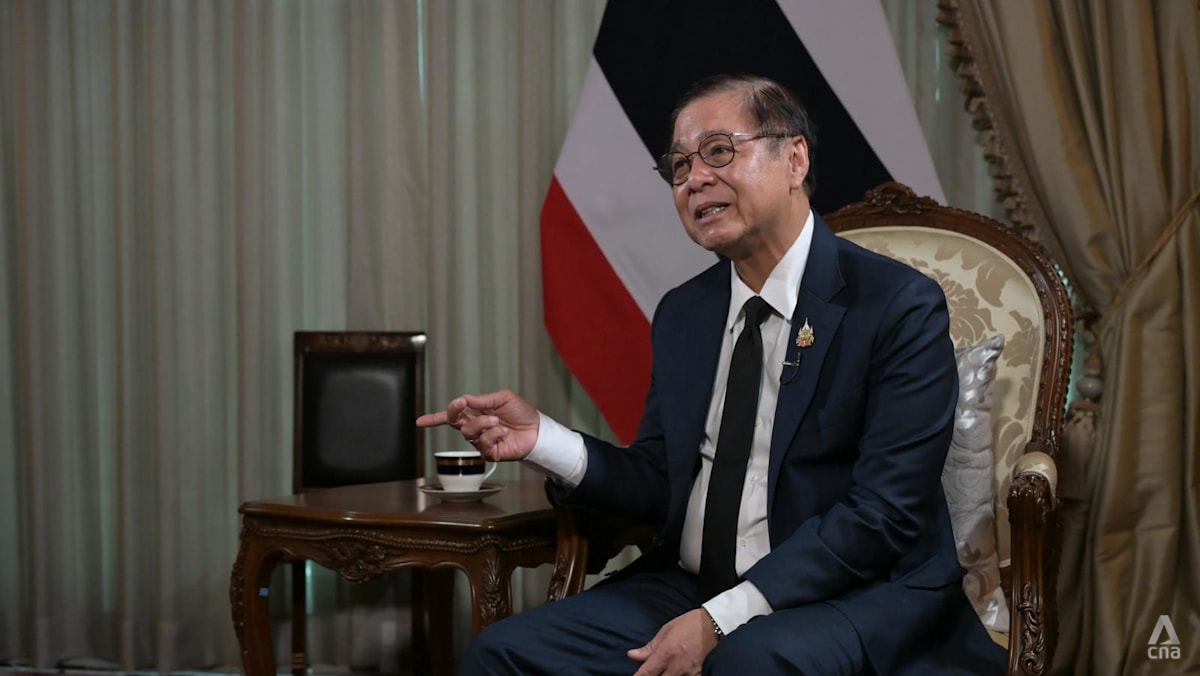
‘The ground is shifting somewhat’: ASEAN’s cautious approach to Myanmar’s isolation
In a recent statement, the Thai foreign minister highlighted a subtle but significant shift in ASEAN’s strategy toward Myanmar, emphasizing the bloc’s unwillingness to let the Southeast Asian nation become isolated. This development underscores the complex interplay of regional diplomacy, historical non-interference principles, and the pressing need for stability in a geopolitically sensitive area.
What Happened?
Amid ongoing tensions in Myanmar, where political unrest and humanitarian concerns persist, the Thai foreign minister’s remarks signal a recalibration of ASEAN’s engagement. The statement comes as the bloc grapples with balancing its traditional policy of non-interference with the realities of a crisis that has drawn international scrutiny. While ASEAN has long advocated for dialogue and consensus, the region’s fragmented response to Myanmar’s challenges has raised questions about the bloc’s effectiveness and cohesion.

The Thai minister’s comments reflect a broader recognition that isolating Myanmar could exacerbate the situation, potentially leading to further instability. This aligns with ASEAN’s historical emphasis on maintaining regional peace and economic integration, even in the face of internal conflicts.
Who Is Involved?
ASEAN, comprising ten Southeast Asian nations, plays a central role in shaping the region’s response to Myanmar’s crisis. Key players include:
- Thailand: As a regional leader, Thailand has historically been a proponent of ASEAN’s unity and has often mediated disputes within the bloc.
- Myanmar’s jun
A.S.E.A.N. Leaders' Summit: Myanmar Army General Min Aung Hlaing Excluded | FOREIGN
