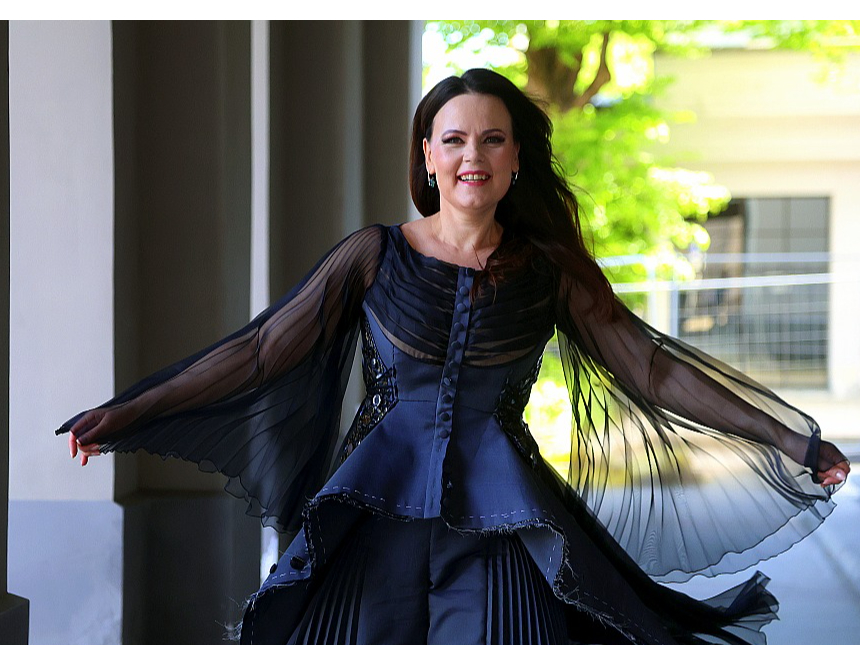
In a recent conversation, soprano Inga Šļubovska-Kancevica reflected on the enduring connection between art and the human experience, emphasizing how music transcends boundaries to celebrate life’s profound moments. The discussion, published on Lasi.lv, offers a glimpse into the artist’s philosophy and the cultural resonance of her work.
Šļubovska-Kancevica, a prominent figure in classical music, has long been recognized for her emotive performances and dedication to preserving the emotional depth of operatic traditions. Her insights into the role of art as a unifying force come at a time when global audiences increasingly seek meaningful, culturally rich experiences amidst rapid societal shifts.
The interview touches on the importance of storytelling through music, a theme that has defined Šļubovska-Kancevica’s career. “Music is not just sound; it’s a dialogue with history, with the soul of a community,” she said. “Every note carries the weight of generations, and that’s what makes it so powerful.”
Her remarks align with broader conversations in the arts about the need for authenticity and cultural preservation. As streaming platforms and digital consumption reshape how audiences engage with music, artists like Šļubovska-Kancevica advocate for a return to the visceral, communal aspects of performance.
The discussion also highlights the role of classical music in contemporary society. Despite its traditional roots, the genre continues to evolve, with performers bridging gaps between historical works and modern sensibilities. Šļubovska-Kancevica’s approach underscores this balance, blending technical mastery with a deep respect for the narratives embedded in each piece.
For fans and critics alike, the interview serves as a reminder of the enduring relevance of classical music. As Šļubovska-Kancevica notes, “Art doesn’t just reflect life—it gives it meaning. And that’s something we all need, especially now.”
