Full List of CardUp Promo Codes for 2026: Maximizing Credit Card Rewards
CardUp users in 2026 can reduce transaction fees using specific promotional codes, frequently updated by rewards specialists such as The MileLion. These codes lower the cost of paying non-card expenses—including rent, taxes, and tuition—via credit card, allowing users to earn airline miles or cashback more efficiently by narrowing the gap between payment fees and reward value.
How CardUp Promo Codes Reduce Transaction Costs in 2026
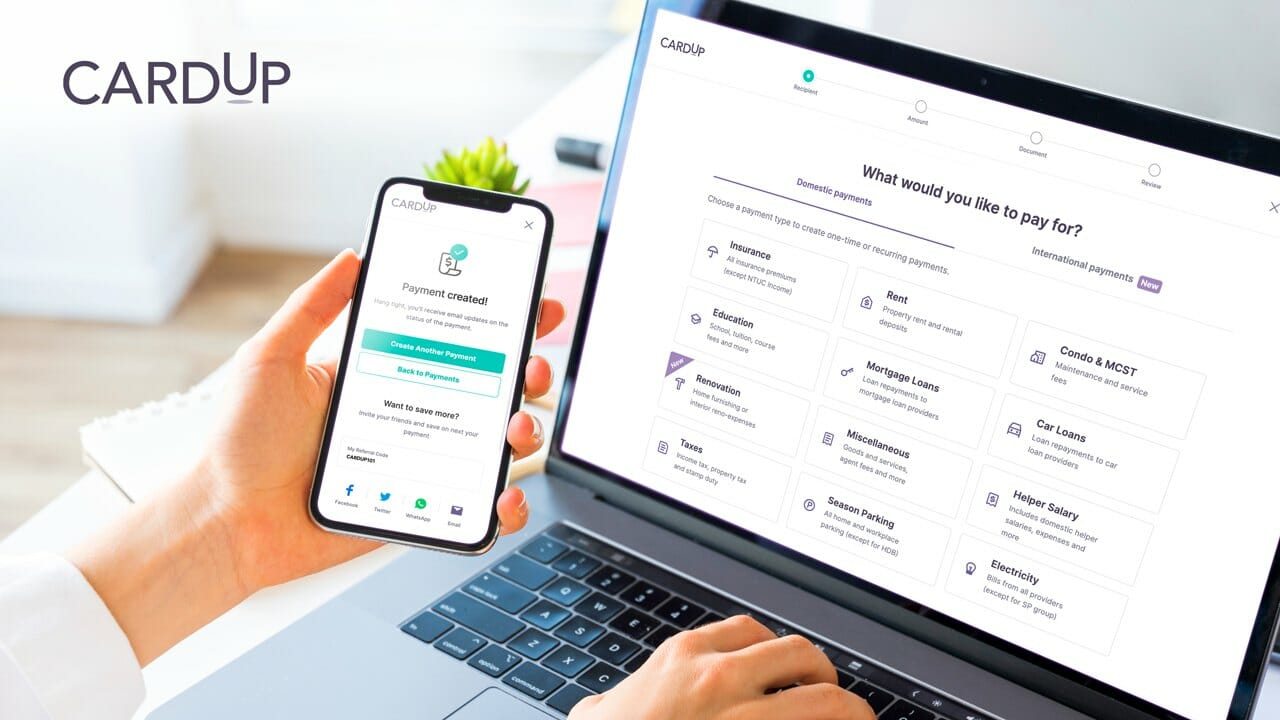
CardUp operates as a payment intermediary that allows credit card holders to pay bills that typically only accept bank transfers. Because the service charges a transaction fee for this convenience, the primary goal for most users is to minimize that cost. Promo codes serve as the primary mechanism for fee reduction, often slashing the percentage charged per transaction.
According to CardUp’s operational model, fees are applied as a percentage of the total payment amount. A standard fee might range from 1.5% to 2.25%, depending on the payment type and the user’s account tier. When a promo code is applied, this percentage is reduced for a specific number of transactions or a capped total amount. For users targeting a specific spending milestone—such as a sign-up bonus for a new credit card—these codes can mean the difference between a profitable transaction and a net loss.
The MileLion typically categorizes these codes into three distinct types to help users choose the right one for their current spending phase:
- New User Codes: These offer the deepest discounts, often providing the first few transactions at a significantly reduced rate or even zero fees for a small initial amount.
- Returning User Codes: These are available to existing customers and generally provide a smaller, but still meaningful, percentage reduction on a per-transaction basis.
- Seasonal or Campaign Codes: These are tied to specific events, such as tax season or year-end spending pushes, and may offer flat-fee discounts or temporary rate drops.
Analyzing the ‘Break-Even’ Point for Miles Earners
Using CardUp is not always mathematically advantageous. The decision to use a promo code depends on the “break-even” point: the moment where the value of the miles earned exceeds the cost of the transaction fee.
For example, if a user earns 1.2 miles per dollar (mpd) on their credit card and values those miles at 2 cents each, the reward value is 2.4%. If the CardUp fee is 2.25%, the user makes a marginal profit of 0.15%. However, if a promo code from The MileLion reduces that fee to 1.5%, the profit jumps to 0.9%.
The following table illustrates how different promo code tiers affect the cost of a $10,000 rent payment:
| Fee Tier | Fee Percentage | Total Fee Cost | Net Value (at 2.4% Reward) |
|---|---|---|---|
| Standard Fee | 2.25% | $225 | +$15 |
| Returning User Code | 1.75% | $175 | +$65 |
| New User / High-Value Code | 1.00% | $100 | +$140 |
Strategic Application of Promo Codes for Major Expenses
Not all payments are treated equally by CardUp or the issuing banks. Users must align their promo code usage with the specific nature of their expense to avoid “dead” spending where rewards are not granted.
Residential and Commercial Rent
Rent is the most common use case for CardUp due to the high transaction volume. Because rent is a recurring expense, users often cycle through returning user codes. The strategy here is “slow-burning” codes—using them across multiple months to ensure the fee remains below the reward threshold throughout the year.
Government Taxes and Levies
Tax payments often involve very large sums, making the percentage reduction of a promo code highly impactful. During peak tax seasons, CardUp frequently releases specific codes. Users should verify if their specific credit card excludes “government payments” from earning rewards before applying a code, as a reduced fee still results in a loss if zero miles are earned.
Insurance Premiums and Tuition
These payments are typically annual or semi-annual. Users often save their highest-value promo codes for these lump sums to maximize the absolute dollar amount saved on fees. According to rewards optimization standards, these should be paired with cards that have high spending caps on rewards to avoid hitting a ceiling mid-payment.
“The goal is not just to find any code, but to find the code that aligns with the specific reward structure of your card for that specific category of spend.”
Common Reasons Why CardUp Promo Codes Fail
Users frequently report that codes listed in community guides do not work. This is rarely a technical glitch and usually a result of specific terms and conditions associated with the offer.
- Usage Caps: Many codes are limited to the first 500 or 1,000 users. Once the cap is hit, the code becomes inactive.
- User Status: A “New User” code will not work for an account that has already processed a payment, even if that payment was years ago.
- Payment Type Restrictions: Some codes only apply to “Rent” and cannot be used for “Taxes” or “Insurance.”
- Minimum Spend: Certain high-value discounts require a minimum transaction amount (e.g., $1,000) to activate.
- Expiry Dates: Promo codes are typically short-lived, often expiring at the end of a calendar month.
Comparing CardUp to Alternative Payment Methods
While CardUp is a leader in the space, it exists within a competitive ecosystem of payment aggregators. Users often compare CardUp’s promo-adjusted fees against other options.
Some competitors offer lower base fees but fewer partnerships with banks. CardUp’s primary advantage is its integration with a wide array of credit cards and its ability to schedule payments in advance. When a promo code is applied, CardUp often becomes the most cost-effective method for high-value transfers. However, for very small payments, the flat-fee components of some competitors might be more attractive than a percentage-based fee, even with a discount.
The critical distinction remains the “miles-per-dollar” (mpd) rate. A user with a 4 mpd card can afford a higher CardUp fee than a user with a 1.2 mpd card. Therefore, the “best” promo code is relative to the card being used.
The Role of The MileLion in the 2026 Rewards Ecosystem
The MileLion serves as a central repository for these codes because the platform monitors the intersection of bank reward changes and CardUp’s promotional cycles. In 2026, the landscape of credit card rewards has become more restrictive, with more banks excluding third-party payment platforms from earning points.

By tracking which cards still earn rewards on CardUp transactions, the community can identify when a promo code is actually “profitable.” For instance, if a major bank suddenly stops awarding miles on “payment services,” a 0% fee code is still a loss because the user earns nothing. The value of the “Full list of CardUp promo codes for 2026 – The MileLion” is not just the codes themselves, but the context of which cards currently work with them.
This ecosystem relies on real-time verification. Users often report code failures or successes back to the community, creating a live feedback loop that ensures the list remains accurate.
Step-by-Step Guide to Applying Codes for Maximum Gain
To ensure the lowest possible cost, users should follow a specific sequence when scheduling a payment:
- Verify Reward Eligibility: Check the latest bank terms to ensure the payment category (e.g., tax) still earns miles on the chosen card.
- Calculate the Net Cost: Use the current promo code to calculate the fee and subtract the value of the miles earned.
- Select the Right Code: If multiple codes are available, prioritize the one with the lowest percentage fee over one with a flat-dollar discount for large payments.
- Schedule in Advance: CardUp allows for future-dated payments. This allows users to lock in a promo code today for a payment due in 30 days.
- Monitor the Transaction: Confirm the fee was applied correctly on the confirmation screen before finalizing the payment.
For those looking to optimize further, related explainer on credit card churning can provide insights into using CardUp to hit minimum spend requirements for new card sign-up bonuses.
FAQ: CardUp Promo Codes and Rewards
Do CardUp promo codes apply to all credit cards?
Yes, the promo codes generally apply to the CardUp service fee regardless of which credit card you use. However, whether you earn miles or cashback depends entirely on your bank’s terms and conditions for that specific card.
Can I use multiple promo codes on a single transaction?
No. CardUp only allows one promotional code per transaction. Users should choose the code that offers the highest percentage reduction for the specific amount they are paying.

What is the difference between a ‘New User’ and ‘Returning User’ code?
New user codes are designed to attract first-time customers and typically offer much lower fees (sometimes 0% or 1%). Returning user codes are for existing accounts and offer more modest discounts to encourage continued use of the platform.
If a code doesn’t work, does it mean it’s expired?
Not necessarily. It could mean the usage cap has been reached, the code is not applicable to your specific payment category, or you are attempting to use a new user code on an existing account.
How often are new promo codes released for 2026?
Codes are typically released monthly or during key spending windows, such as the start of the year or during tax filing seasons. Community lists like those from The MileLion are the most reliable way to track these updates.
Effective use of CardUp in 2026 requires a disciplined approach to fee management. By leveraging the correct promo codes and pairing them with high-earning credit cards, users can transform mandatory expenses into a significant source of travel rewards or cash savings. The key remains the constant verification of bank reward policies to ensure the math continues to favor the user.
