
BYD is entering the European compact market with the Dolphin G DM-i, a plug-in hybrid vehicle priced below 25,000 euros. According to local media reports, the car is designed to compete with established city models by offering an electric-like driving experience combined with the flexibility of a hybrid powertrain.
- Price Point: Under 25,000 euros.
- Powertrain: Plug-in hybrid (DM-i technology).
- Primary Competitors: Renault Clio, Toyota Yaris, and MG3.
- Target Market: European urban drivers.
How does the Dolphin G DM-i compete in the European market?
The Dolphin G DM-i targets the affordable segment of the hybrid market, specifically focusing on urban utility. According to industry reports, it is the first plug-in hybrid in its category to be offered at a price point under 25,000 euros. This aggressive pricing puts it in direct competition with traditional city cars like the Renault Clio and Toyota Yaris, as well as the MG3.
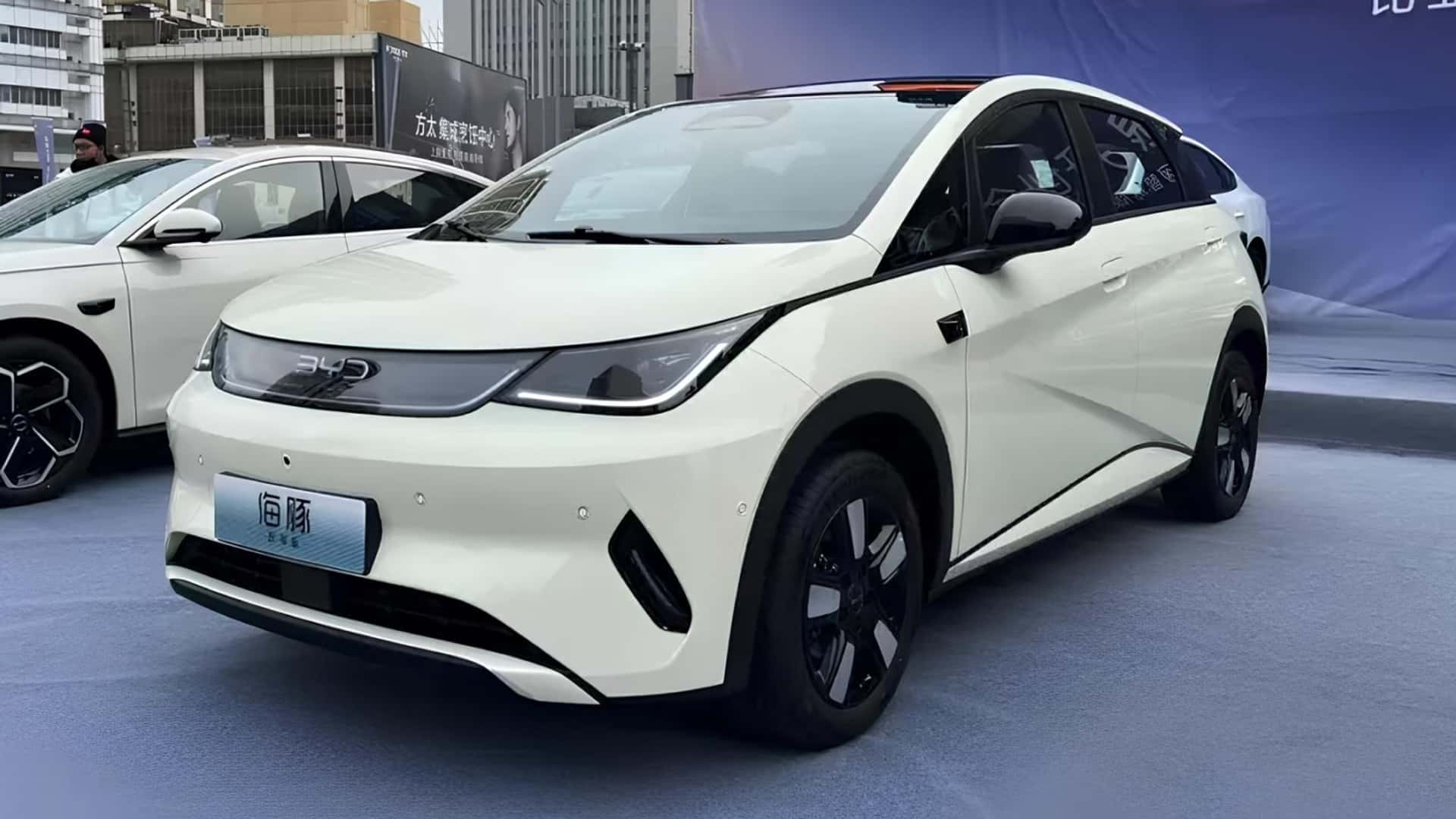
Local media reports describe the vehicle as a compact city car that “subverts the rules” of the segment by blending a lower entry price with plug-in hybrid capabilities, which are typically reserved for more expensive vehicle tiers.
What is the technical approach of the DM-i system?
The vehicle utilizes BYD’s DM-i (Dual Mode intelligent) technology. While technical specifications vary by region, the core objective of this system is to prioritize electric propulsion. According to local media testing, the car handles and accelerates in a manner similar to a fully electric vehicle, reducing the typical transition lag found in traditional hybrids.
This approach allows users to perform daily city commutes using battery power while relying on the internal combustion engine for longer trips, effectively addressing range anxiety for drivers who lack consistent access to charging infrastructure.
One local media outlet showcased the vehicle’s performance and handling in a detailed video review:
Why was this model designed for Europe?
The Dolphin G DM-i is a strategic adaptation for European consumers who demand smaller footprints for city parking and high fuel efficiency. Reports indicate the car was specifically engineered to appeal to European tastes, focusing on comfort and affordability without sacrificing the “electric feel” that modern drivers expect.
By positioning the car as both “comfortable and not expensive,” according to local reports, BYD is attempting to capture a demographic that is interested in electrification but is priced out of high-end EVs or hesitant to commit to a purely battery-electric platform.
