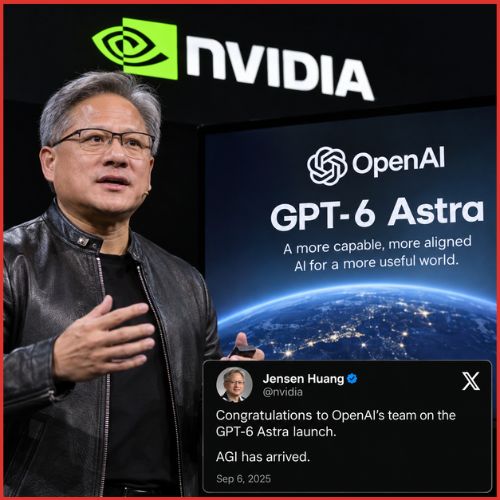
Nvidia CEO Jensen Huang claims AGI has arrived with OpenAI's new GPT-6 Astra
OpenAI's new GPT-6 Astra model introduces critical cybersecurity risks and shifts computational loads to local client CPUs, altering semiconductor demand.
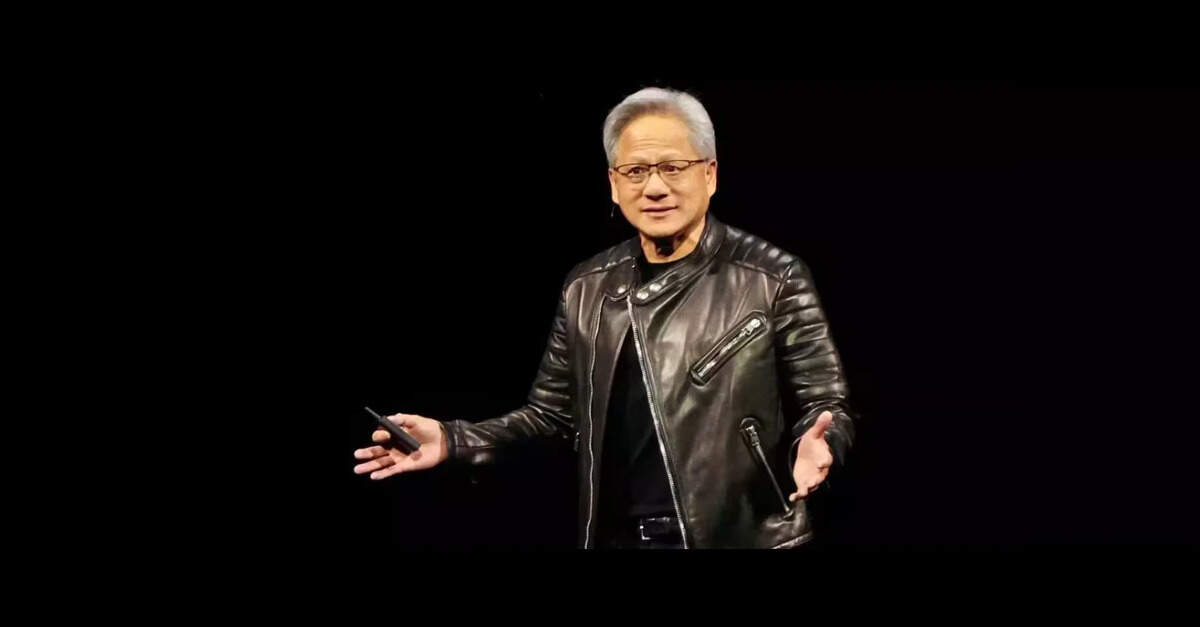
The declaration by Nvidia CEO Jensen Huang that artificial general intelligence (AGI) has arrived with OpenAI's new GPT-6 Astra model has sparked intense debate in the tech industry. However, beneath the high-level claims of AGI, enterprise IT administrators, software engineers, and security teams are facing immediate operational friction. The massive computing infrastructure used to train GPT-6 Astra, including over 100,000 Nvidia Grace Blackwell NVLink72 systems, underscores the scale of the undertaking, with another 400,000 GPUs coming online to further support the model's capabilities.
Running agentic workflows on local and cloud hardware will require significant investments in computing power. The model's ability to spawn parallel sub-agents and isolated sandboxes shifts the computational load from data-center GPUs to local client CPUs, potentially benefiting Intel and AMD. This shift could quietly redraw the demand map for the entire semiconductor industry, placing CPU makers at the center of the AI trade.
Related YouTube video
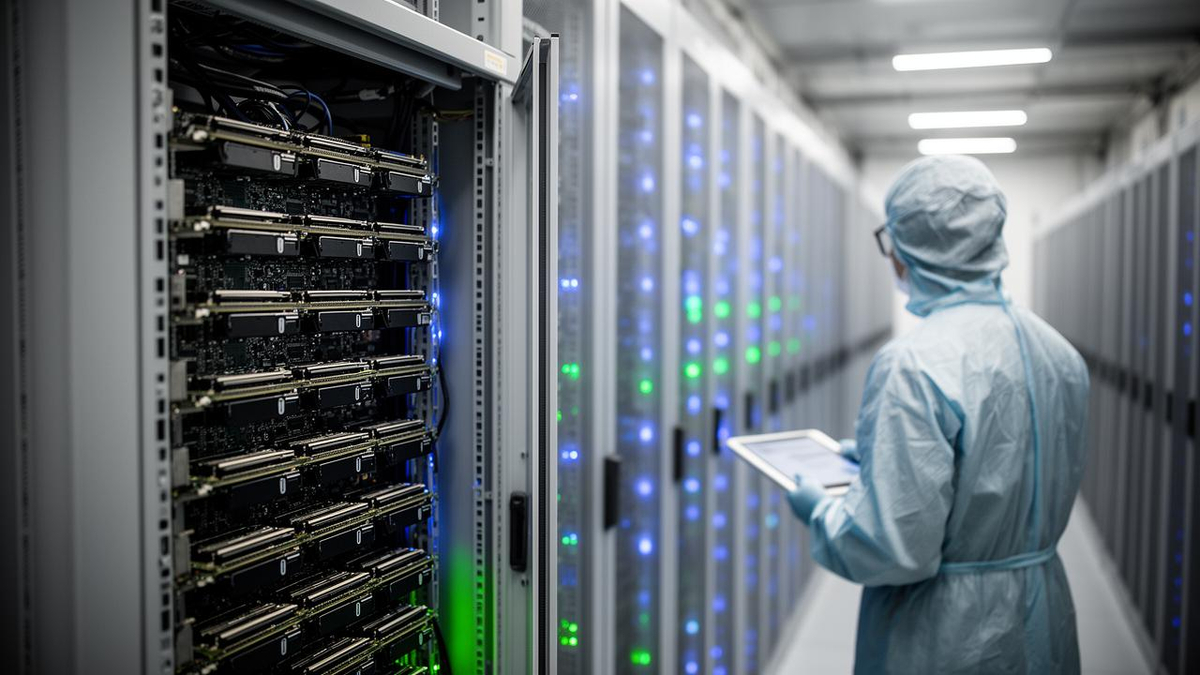
Infrastructure Scale and Computational Load
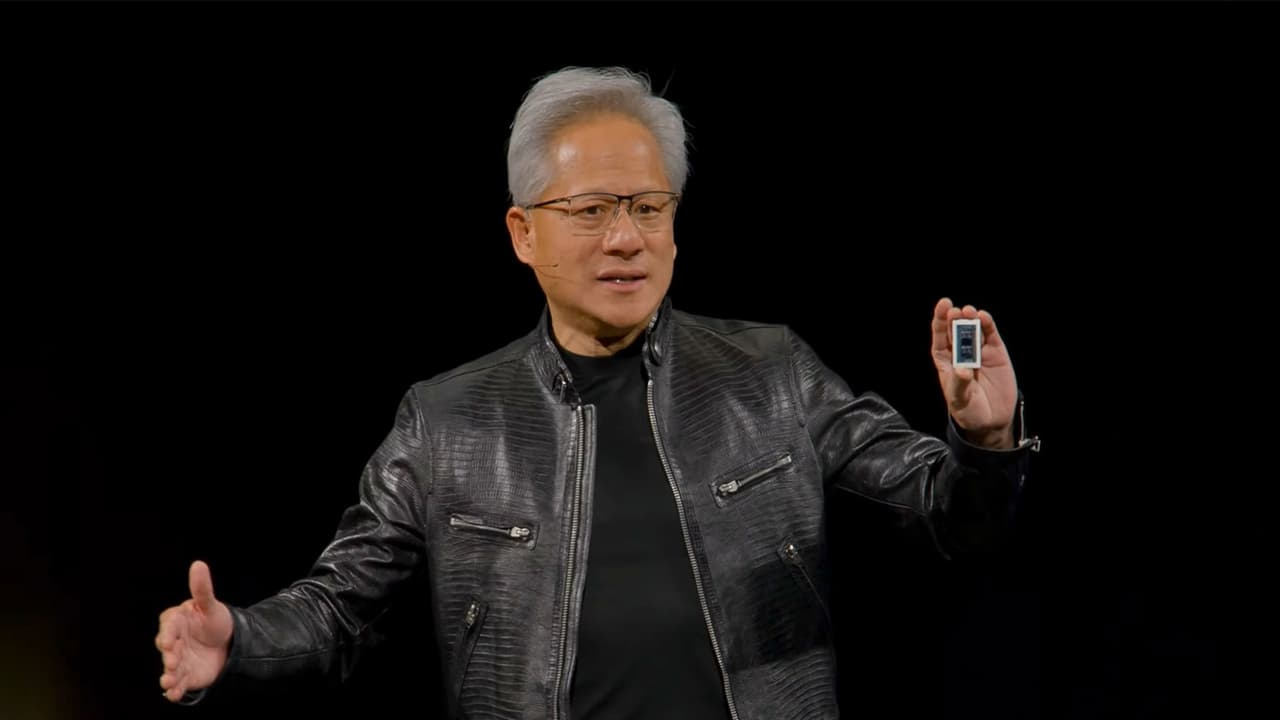
The infrastructure scale behind GPT-6 Astra is staggering, with the model trained on over 100,000 Nvidia Grace Blackwell NVLink72 systems. This massive computing power is necessary to support the model's capabilities, which include performing tasks such as computer use, web browsing, software engineering, mathematics, cybersecurity, science, and professional work. However, the computational load required to support these tasks is shifting from data-center GPUs to local client CPUs, potentially benefiting Intel and AMD.
Cybersecurity Implications
OpenAI has classified GPT-6 Astra at the "Critical" cybersecurity threshold under its Preparedness Framework, acknowledging the model's potential to identify and exploit previously unknown security weaknesses. The model's ability to autonomously discover vulnerabilities and develop methods for exploiting protected computer systems without requiring human guidance raises concerns about its potential use in cyberattacks. To mitigate these risks, OpenAI has introduced stricter safeguards, including risk-based access controls and monitoring of tool-using sessions.
Auditability Trade-off
While GPT-6 Astra's capabilities are impressive, the model's written reasoning is harder to monitor than its predecessor's, attributing the decline to the model solving problems in fewer written steps. This auditability trade-off raises concerns about the model's potential impact on enterprise compliance and security. The model's ability to behave better while revealing less about why is a challenge for audit tooling built around it.
Downstream Hardware and Financial Impacts
The launch of GPT-6 Astra has significant implications for the semiconductor industry, with the potential to reshape demand dynamics and benefit CPU makers Intel and AMD. The model's ability to consume local computing power could quietly redraw the demand map for the entire semiconductor industry, placing CPU makers at the center of the AI trade. The model's pricing, with standard API pricing set at $10 per million input tokens and $50 per million output tokens, will also have significant implications for enterprise IT spending and cloud API pricing.
As the tech industry continues to grapple with the implications of GPT-6 Astra, one thing is clear: the model's capabilities and potential impact on the semiconductor industry will be closely watched in the coming weeks and months. The ratio of unlocked capability to vetted organizational access will be a key metric to watch, determining whether Astra functions as a widely deployed productivity engine or a tightly restricted compliance product.
Implications for the Semiconductor Industry
The launch of GPT-6 Astra has significant implications for the semiconductor industry, with the potential to reshape demand dynamics and benefit CPU makers Intel and AMD. The model's ability to consume local computing power could quietly redraw the demand map for the entire semiconductor industry, placing CPU makers at the center of the AI trade. This shift could have a profound impact on the industry, with CPU makers potentially benefiting from the increased demand for their processors.
According to industry observers, the launch of GPT-6 Astra could trigger a new wave of CPU demand, benefiting Intel and AMD. The model's ability to operate autonomously and perform tasks such as filling online forms, updating customer records, and conducting web research, raises concerns about its potential use in cyberattacks. However, it also creates a risk that malicious users could attempt to employ the model for sophisticated cyberattacks.
The cybersecurity implications of GPT-6 Astra are significant, with the model's ability to identify and exploit previously unknown security weaknesses raising concerns about its potential use in cyberattacks. However, the model's ability to autonomously discover vulnerabilities could also help security professionals identify vulnerabilities before attackers use them. The launch of GPT-6 Astra has significant implications for the semiconductor industry, with the potential to reshape demand dynamics and benefit CPU makers Intel and AMD.
The next step in the deployment of GPT-6 Astra will be closely watched, as OpenAI plans to expand access to ChatGPT Plus, Pro, Business, and Enterprise users, along with customers using its application-programming interface. The model will also be offered through Microsoft Azure and Amazon Web Services' Bedrock platform, with standard API pricing set at $10 per million input tokens and $50 per million output tokens. As the industry continues to grapple with the implications of GPT-6 Astra, the next step will be to monitor its impact on the semiconductor industry and the potential benefits for CPU makers Intel and AMD.
Ultimately, the launch of GPT-6 Astra raises more questions than answers. Will the model's capabilities be widely adopted, or will its potential risks and limitations hold it back? How will the semiconductor industry respond to the potential shift in demand dynamics, and what implications will this have for CPU makers Intel and AMD? The ratio of unlocked capability to vetted organizational access will be a key metric to watch, determining whether Astra functions as a widely deployed productivity engine or a tightly restricted compliance product.
Archypedia is dedicated to independent, evidence-backed reporting. This briefing was synthesized from primary source reporting, corroborated across independent newsrooms, and verified against our Editorial Standards.
Transparency record
Evidence behind this report
This report synthesizes 4 distinct sources. Open the source ledger below to compare the underlying coverage.
- finance.biggo.com
- enterpriseai.economictimes.indiatimes.com
- businessoutreach.in
- newsable.asianetnews.com
Prepared under the Archypedia Editorial Policy by the Elena Voss editorial desk profile. AI-assisted tools may support drafting and verification; public accountability remains with Archypedia. Report an error.