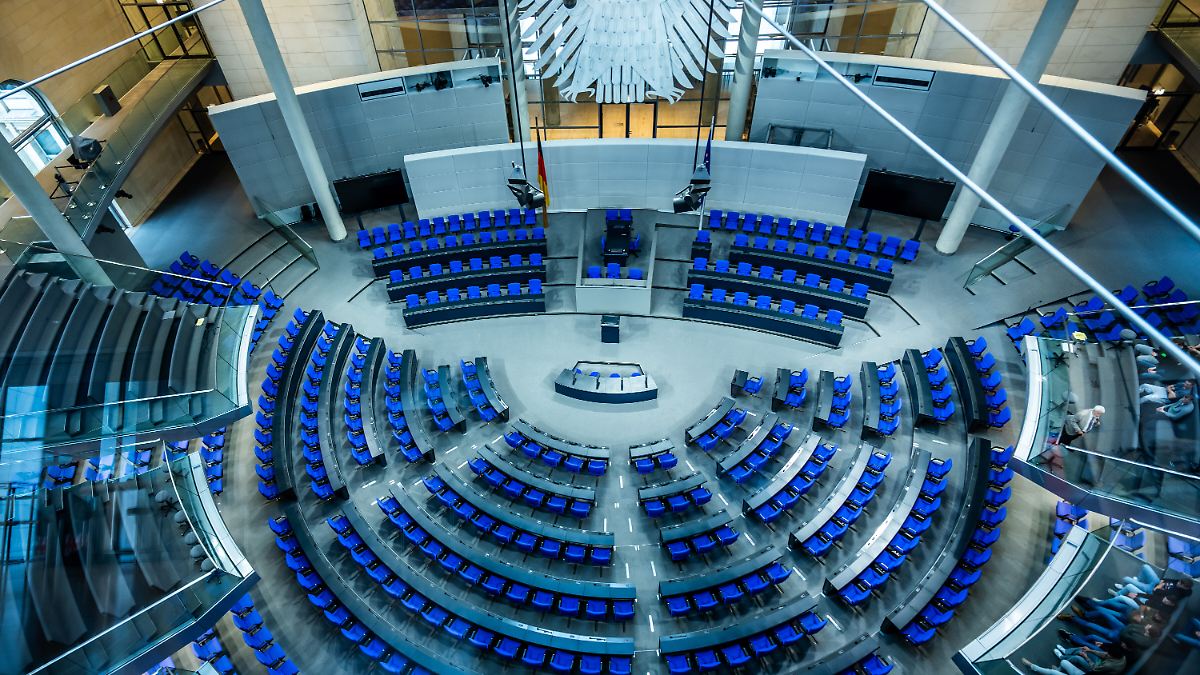
The German Bundestag, the nation’s federal parliament, has come under pressure from business leaders to forgo its traditional summer break in 2026, as family-owned enterprises push for accelerated legislative action amid economic uncertainties. The call for a shortened hiatus reflects growing concerns over maintaining momentum in policy-making during a period of financial and industrial challenges.
The request, spearheaded by representatives of Germany’s family-owned business sector, underscores a broader debate about balancing political efficiency with the need for rest and reflection. While the Bundestag typically suspends sessions for several weeks in July and August, the current push suggests a shift toward prioritizing urgent legislative tasks over extended breaks.
Though specific details about the proposed changes remain unclear, the initiative aligns with recent discussions about streamlining government operations. Business leaders argue that maintaining a steady pace of decision-making is critical to addressing pressing economic issues, including inflation, energy transitions, and labor market adjustments.
The Bundestag’s role as a central institution in German governance means any shifts in its schedule could have ripple effects across the country. The parliament’s ability to respond swiftly to economic pressures may influence public sentiment and shape the political landscape ahead of future elections.
As the debate unfolds, the focus will likely center on how to reconcile the demands of business interests with the need for a functional, well-rested legislative body. The outcome could set a precedent for how Germany’s political system navigates similar challenges in the years to come.
