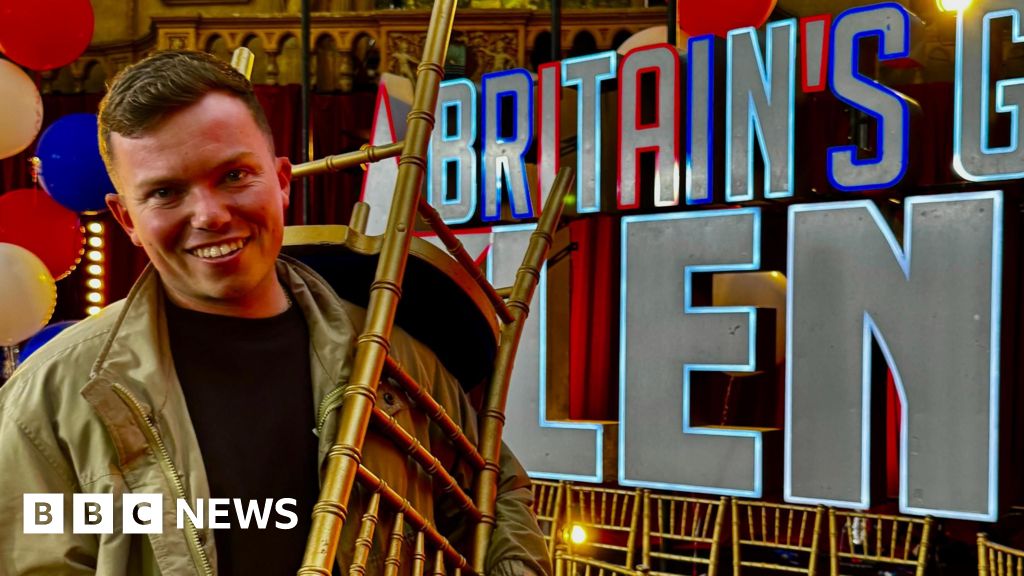
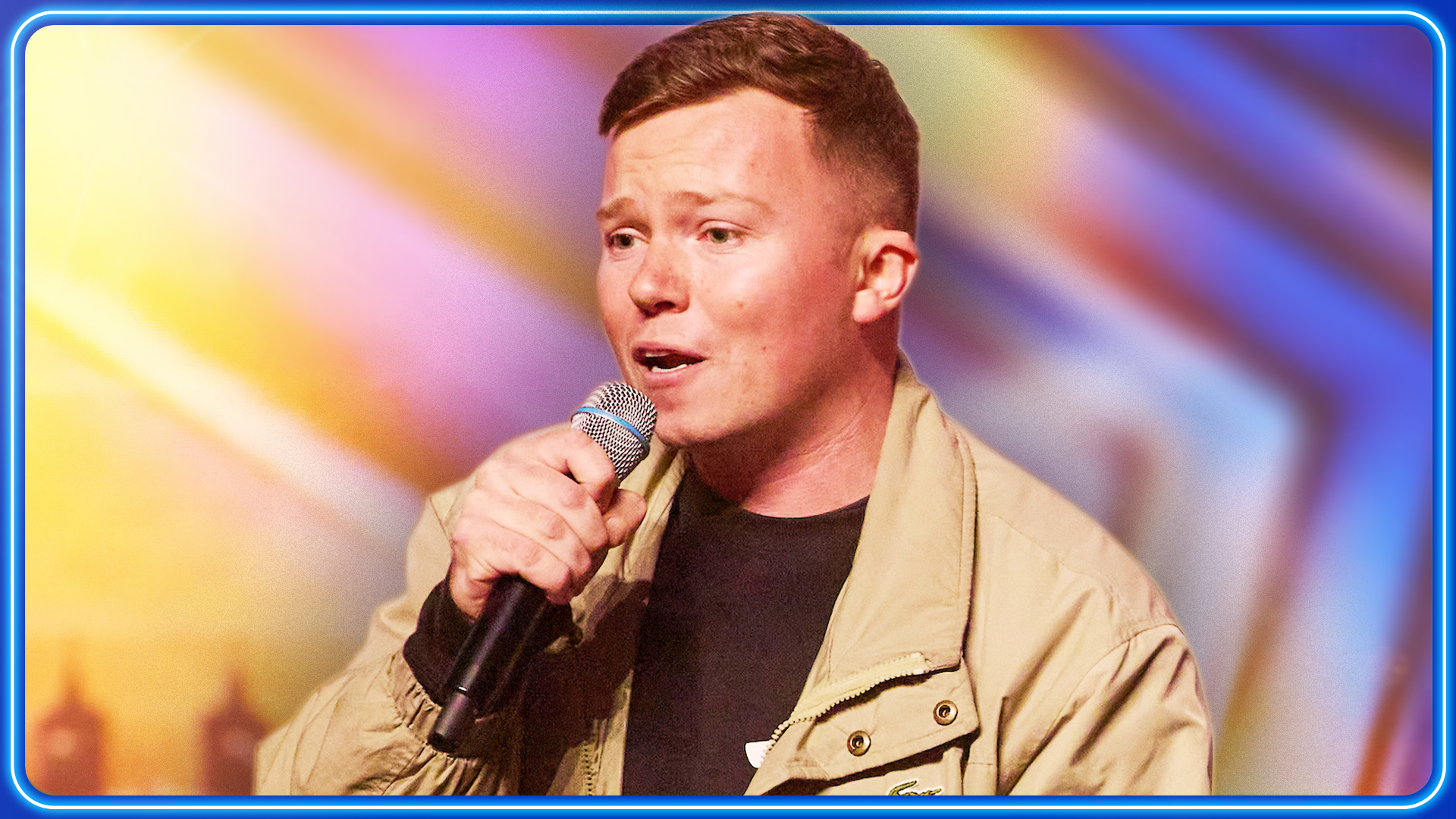
Sonny Green’s Next Act: Britain’s Got Talent Star Sets Sights on National Theatre Tour
The trajectory from a televised audition to national stardom is a journey many aspire to, but few navigate with the poise and ambition currently displayed by Sonny Green. Following a whirlwind experience on the global stage, the news that Britain’s Got Talent Sonny Green wants to do theatre tour – BBC reports and industry insiders are noting, marks a pivotal transition from reality television contestant to professional touring artist. For Green, the goal is no longer just about winning a competition; This proves about establishing a sustainable, long-term career in the performing arts.
The transition from the high-pressure environment of a talent show to the rigorous demands of a live theatre tour is a leap that requires more than just raw talent. It requires a strategic shift in branding, a diversified repertoire, and an understanding of the UK’s complex touring circuit. As Sonny Green looks toward the horizon of the British stage, his ambitions reflect a broader trend in the entertainment industry where “viral” fame is being traded for the enduring prestige of live, ticketed performance.
The Ambition Behind the Tour: Why a Theatre Circuit?
For any performer emerging from a platform as massive as Britain’s Got Talent, the immediate aftermath is often a flurry of media appearances and short-term engagements. However, the desire to launch a full-scale theatre tour suggests a deeper commitment to the craft. A theatre tour allows an artist to move beyond the three-minute constraints of a TV segment and develop a narrative-driven show that resonates with a live audience over an extended period.
Sonny Green’s aspiration to hit the road is not merely about visibility; it is about the intimacy of the theatre. Unlike stadium shows or televised specials, regional theatres in the UK provide a unique atmosphere where the connection between the performer and the audience is visceral. For a young talent, this is the ultimate training ground—a place to refine timing, gauge audience reactions in real-time, and build a loyal fanbase that exists independently of a television network’s editing.
The Strategic Advantage of Live Performance
In an era dominated by short-form content and digital algorithms, the “live experience” has become a premium commodity. By pursuing a theatre tour, Green is positioning himself in a space where authenticity is the primary currency. The benefits of this move include:
- Artistic Growth: Developing a full-length setlist or narrative arc.
- Financial Independence: Moving toward a direct-to-consumer revenue model via ticket sales and merchandise.
- Brand Longevity: Establishing a reputation as a “live act” rather than a “TV personality.”
- Regional Reach: Connecting with audiences in cities beyond the London bubble, ensuring national recognition.
Analyzing the ‘BGT Effect’ on Career Trajectories
To understand the significance of Sonny Green’s ambitions, one must examine the “BGT Effect.” Britain’s Got Talent serves as one of the most powerful launchpads in the world, but the path following the finale is rarely linear. Historically, contestants fall into three primary categories: the “Flash in the Pan,” the “Steady Professional,” and the “Superstar.”
The “Flash in the Pan” relies entirely on the initial surge of fame, often disappearing from the public eye once the next season begins. The “Steady Professional” leverages their appearance to secure agency representation and consistent work in pantomimes, corporate events, or cruise ships. The “Superstar,” such as Leona Lewis or Diversity, uses the show as a springboard to global dominance.
By stating that he wants to do a theatre tour, Sonny Green is actively steering his career toward the “Superstar” or “Steady Professional” tracks. He is recognizing that the fame provided by the BBC and ITV platforms is a tool, not a destination. The goal is to convert “viewers” into “ticket buyers.”
| Career Path | Primary Driver | Long-term Outcome | Example Strategy |
|---|---|---|---|
| The Viral Star | Social Media/TV Hype | Short-term visibility | Reliance on clips and interviews |
| The Touring Artist | Live Performance/Ticket Sales | Sustainable career | National theatre tours & residencies |
| The Session Performer | Industry Networking | Consistent income | Backing vocals, commercials, TV casts |
The Logistics of a UK Theatre Tour
Embarking on a national tour is a massive operational undertaking. For Sonny Green, this will involve navigating the “circuit”—a network of venues ranging from prestigious West End houses to regional gems managed by groups like Ambassador Theatre Group (ATG) or independent municipal halls.
Venue Selection and Scaling
A successful tour usually begins with “scaling.” A performer doesn’t typically start with 2,000-seat venues unless their demand is astronomical. Instead, the strategy often involves:
- The Pilot Date: A single show in a mid-sized venue to test the setlist and gauge demand.
- The Boutique Tour: A series of 300-500 seat theatres in key cultural hubs (Manchester, Birmingham, Glasgow, Cardiff).
- The Full National Circuit: Expanding to larger venues once the “buzz” is solidified.
The Role of the Promoter and Agent
Behind every successful tour is a team of strategists. Green will need a promoter who understands the nuances of the UK market—someone who can negotiate “guarantees” (upfront payments) versus “splits” (a percentage of the ticket sales). A creative director will be essential to ensure that the show isn’t just a series of songs or acts, but a cohesive theatrical experience with lighting, sound, and a narrative thread.
“The jump from a televised stage to a touring stage is the most dangerous and exciting transition an artist can make. It is where the ‘contestant’ dies and the ‘artist’ is born.”
Challenges in the Transition from Screen to Stage
While the prospect of a tour is exhilarating, it is not without significant hurdles. The primary challenge is the “Content Gap.” On Britain’s Got Talent, a performer is edited to perfection. They have a few minutes to deliver a high-impact moment. A theatre show, however, lasts anywhere from 90 minutes to two hours.
Bridging the Content Gap
To fill a full evening, Sonny Green must expand his repertoire. This involves:
- Storytelling: Integrating personal anecdotes and the “journey” of his BGT experience to build an emotional bond with the audience.
- Dynamic Pacing: Balancing high-energy numbers with intimate, stripped-back moments to avoid audience fatigue.
- Interactivity: Engaging the crowd in a way that is impossible on television, making every show feel unique.
The Mental Toll of Touring
Touring is grueling. The “glamour” of the spotlight is contrasted by long hours in transit, hotel stays, and the pressure of performing every night. For a young artist, maintaining mental health and a sense of normalcy is paramount. The industry has seen many young stars burn out quickly because they lacked the support system necessary to handle the isolation of the road.
The Broader Context: The Resurgence of Variety Theatre
Sonny Green’s desire for a theatre tour coincides with a fascinating trend in the UK entertainment landscape: the revival of the “Variety Show.” For decades, the traditional variety circuit declined in favor of cinema and later, digital streaming. However, there has been a marked return to live, eclectic performance art.
Modern audiences are experiencing “digital fatigue.” There is a growing hunger for spectacles that cannot be replicated on a smartphone screen. Whether it is the success of Cirque du Soleil or the enduring popularity of West End musicals, the appetite for high-quality live entertainment is at an all-time high. By entering this space, Green is tapping into a market that values skill, presence, and the “magic” of the moment.
the success of other BGT alumni who have transitioned into touring—ranging from magicians to dance troupes—proves that there is a viable commercial blueprint for this path. If Green can emulate the discipline of those who came before him, the theatre tour could be the foundation of a lifelong career.
Stakeholders and Industry Impact
The realization of this tour involves several key stakeholders, each with different interests:
- The Artist (Sonny Green): Seeks artistic validation and career longevity.
- The Management Team: Focused on brand growth, contract negotiations, and ROI.
- The Venues: Looking for “bankable” acts that can guarantee ticket sales and bring new demographics into the theatre.
- The Fans: Seeking a tangible connection with a performer they previously only saw through a screen.
If the tour is successful, it sends a signal to other reality show contestants that the “competition” is merely the beginning. It reinforces the idea that the true value of these shows is not the trophy, but the platform they provide to reach a professional industry.
Common Misconceptions About Talent Show Tours
Many critics argue that talent show tours are “cash grabs” that rely on fleeting fame. However, this is an oversimplification. While some tours are indeed designed for quick profit, others are strategic investments. A well-curated tour serves as a “Proof of Concept” for the artist. It proves to the industry that they can carry a show, manage a crowd, and maintain a professional schedule. For Sonny Green, this tour is less about the immediate paycheck and more about the long-term “equity” he is building in his own brand.
Frequently Asked Questions
Why does Sonny Green want to do a theatre tour after being on Britain’s Got Talent?
A theatre tour allows a performer to move beyond the short segments seen on television and develop a full-length professional show. It is a strategic move to build a sustainable career, connect more deeply with fans, and establish himself as a live entertainer rather than just a TV personality.
Is it common for BGT contestants to tour the UK?
Yes, it is a frequent path for successful contestants. Many use the visibility from the show to secure bookings in regional theatres, often starting with smaller venues before moving to larger national circuits. This is often seen as a critical step in transitioning from a “contestant” to a “professional artist.”
What are the main challenges of transitioning from TV to a live tour?
The biggest challenge is the “content gap”—expanding a short audition act into a full 90-to-120-minute performance. The physical and mental demands of constant travel and nightly performances can be taxing for artists who are not accustomed to the touring lifestyle.
How can fans find out if Sonny Green’s tour is happening?
Typically, tour dates are announced via the artist’s official social media channels and through major UK ticketing platforms. Fans should look for official announcements regarding venue dates and ticket pre-sales.
What makes a theatre tour different from a concert tour?
While a concert tour focuses primarily on music, a theatre tour often incorporates elements of storytelling, variety, and theatrical production. It is generally more focused on the “experience” and the narrative of the performer’s journey.
The Road Ahead for Sonny Green
As the conversation around Britain’s Got Talent Sonny Green wants to do theatre tour – BBC continues to evolve, the focus now shifts to execution. The transition from ambition to reality will depend on the quality of the production and the ability to maintain the momentum generated during his time on the show.
The UK entertainment industry is notoriously competitive, but it also rewards those who are willing to put in the work away from the cameras. By choosing the challenging path of the theatre circuit over the easier path of social media influence, Sonny Green is making a statement about his priorities. He is choosing the stage over the screen, and the applause of a live crowd over the likes of a digital post.
Whether this tour becomes a national phenomenon or a stepping stone to something even larger, the intent is clear: Sonny Green is not content with being a memory of a television season. He is determined to be a fixture of the British stage. For the fans and the industry alike, the anticipation is building to see how this young talent translates his televised spark into a full-blown theatrical fire.
For those interested in how other reality stars navigate this transition, you may find a related explainer on the economics of talent show careers useful for further context on the industry’s inner workings.
