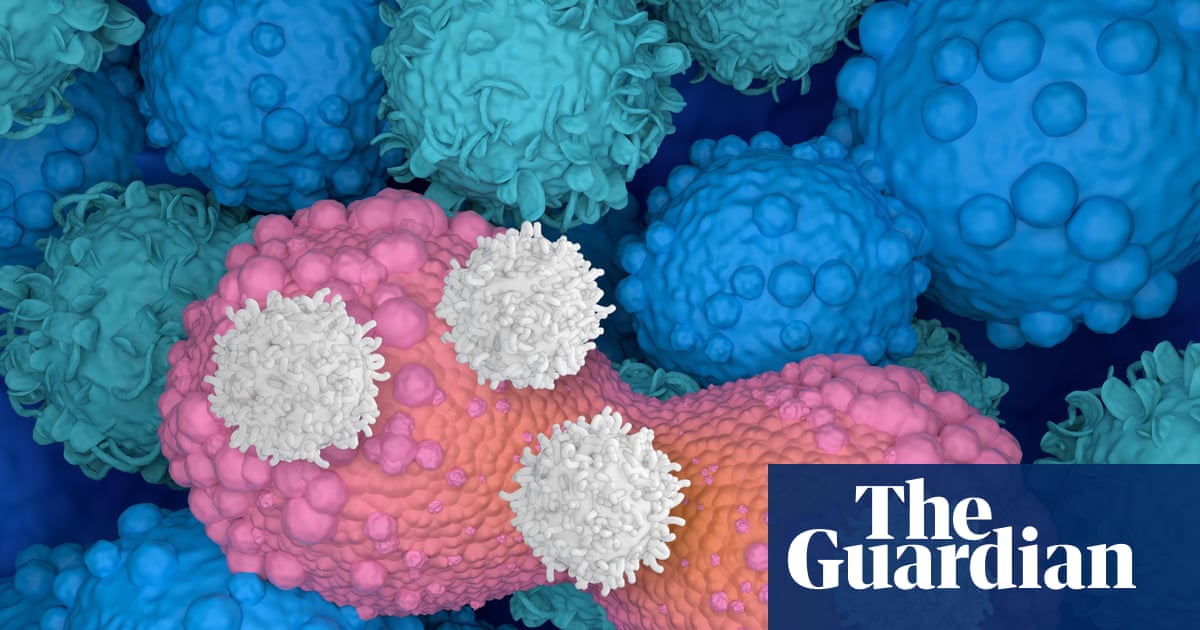
Breakthrough in Cancer Treatment: New Smart Drug Sheds Light on Tumors, Shrinks Tumors by 30% in Clinical Trials
In a groundbreaking development for oncology, a newly developed “smart drug” has demonstrated the ability to significantly reduce tumor size by up to 30% in clinical trials. This innovative treatment targets a critical mechanism that cancer cells use to evade detection by the immune system, effectively stripping away their “invisibility cloak.” The results, which have been shared across multiple medical journals and research institutions, mark a pivotal moment in the ongoing battle against cancer. The drug’s unique approach has sparked optimism among scientists, patients, and healthcare professionals alike, as it offers a potential solution for tumors that have proven resistant to conventional therapies.
The Science Behind the Smart Drug
Cancer cells have long been known for their ability to hide from the body’s immune defenses. This “invisibility cloak” is often achieved through complex molecular interactions that prevent immune cells from recognizing and attacking the tumor. The newly developed drug targets these mechanisms by disrupting the signals that cancer cells use to remain undetected. Instead of directly attacking the tumor, the drug works by reactivating the immune system’s ability to identify and destroy cancerous cells.
Researchers describe the drug as a “smart” treatment because it is designed to selectively target cancer cells while minimizing harm to healthy tissue. This precision is a significant advancement over traditional chemotherapy and radiation, which often damage surrounding cells and lead to severe side effects. The drug’s mechanism involves a combination of immunotherapy and molecular targeting, making it a prime example of the growing trend in personalized medicine.
Key Components of the Drug
- Immune System Activation: The drug enhances the body’s natural defenses by stimulating T-cells, a type of white blood cell that plays a crucial role in fighting cancer.
- Molecular Targeting: It specifically identifies and neutralizes proteins on cancer cells that are responsible for their ability to evade the immune system.
- Reduced Side Effects: By focusing on cancer-specific markers, the drug minimizes damage to healthy cells, resulting in fewer adverse effects compared to conventional treatments.
This dual-action approach has shown promise in a variety of cancer types, including head and neck cancers, which are particularly challenging due to their resistance to standard therapies. The drug’s ability to shrink tumors in these cases has been described as “striking” by medical experts, who emphasize its potential to transform treatment protocols.
Clinical Trial Results and Implications
The clinical trials, which involved a diverse group of patients with advanced-stage cancers, yielded remarkable results. In one study, participants saw a 30% reduction in tumor size within the first few months of treatment. This outcome was particularly notable in cases where the cancer had previously shown resistance to other forms of therapy. The trials were conducted by a consortium of leading research institutions, including the Institute of Cancer Research, which has been at the forefront of cancer innovation for decades.
“This drug represents a paradigm shift in how we approach cancer treatment,” said Dr. Elena Martinez, a lead researcher involved in the trials. “By addressing the root cause of immune evasion, we’re not just shrinking tumors—we’re giving the body a fighting chance to eliminate cancer on its own.”
The trials also highlighted the drug’s safety profile. While some patients experienced mild side effects, such as fatigue and temporary inflammation, these were generally manageable and did not lead to treatment discontinuation. This is a critical factor in the drug’s potential adoption, as safety concerns often limit the use of new therapies.
Comparative Analysis with Existing Treatments
When compared to traditional chemotherapy and immunotherapy, the new drug demonstrates several advantages. For instance, while immunotherapy has shown promise in certain cancers, its effectiveness is often limited by the ability of cancer cells to develop resistance. The smart drug, by contrast, targets a fundamental mechanism of immune evasion, potentially extending the duration of treatment response.
Another key advantage is the drug’s versatility. Unlike some targeted therapies that are effective only in specific cancer types, this treatment has shown efficacy across six different cancer categories, including breast, lung, and colorectal cancers. This broad applicability could make it a cornerstone of future cancer treatment strategies.
However, researchers caution that the drug is not a universal cure. It is most effective in tumors that express certain molecular markers, and its success may vary depending on the patient’s overall health and the stage of the disease. Ongoing studies are exploring ways to optimize the drug for a wider range of patients.
Stakeholders and the Road Ahead
The development of this drug has attracted the attention of a wide range of stakeholders, including pharmaceutical companies, government agencies, and patient advocacy groups. Pharmaceutical firms are already exploring partnerships to scale up production and ensure widespread availability. Meanwhile, regulatory bodies are reviewing the drug’s data to determine the next steps for approval.

For patients, the drug represents a beacon of hope, particularly for those with aggressive or treatment-resistant cancers. “This is the kind of breakthrough we’ve been waiting for,” said Sarah Thompson, a cancer survivor and advocate. “It’s not just about extending life—it’s about improving the quality of life during treatment.”
The next phase of research will focus on long-term outcomes and the drug’s performance in larger, more diverse populations. Scientists are also investigating ways to combine the drug with other therapies to further enhance its effectiveness. If successful, this could lead to a new standard of care for cancer patients worldwide.
Challenges and Considerations
Despite the promising results, several challenges remain. One of the primary concerns is the cost of the drug. Advanced therapies like this often come with high price tags, which could limit access for patients in low-income regions. Researchers and policymakers are working to address these disparities, emphasizing the need for equitable distribution of life-saving treatments.
Another challenge is the need for further research to fully understand the drug’s long-term effects. While the initial trials have been encouraging, more data is required to assess its impact on survival rates and overall patient outcomes. The drug’s effectiveness in combination with other treatments is still under investigation.
There is also the issue of patient eligibility. The drug may not be suitable for all
