
Cassidy Loses His Primary in Louisiana, as Trump Vanquishes Another G.O.P. Foe
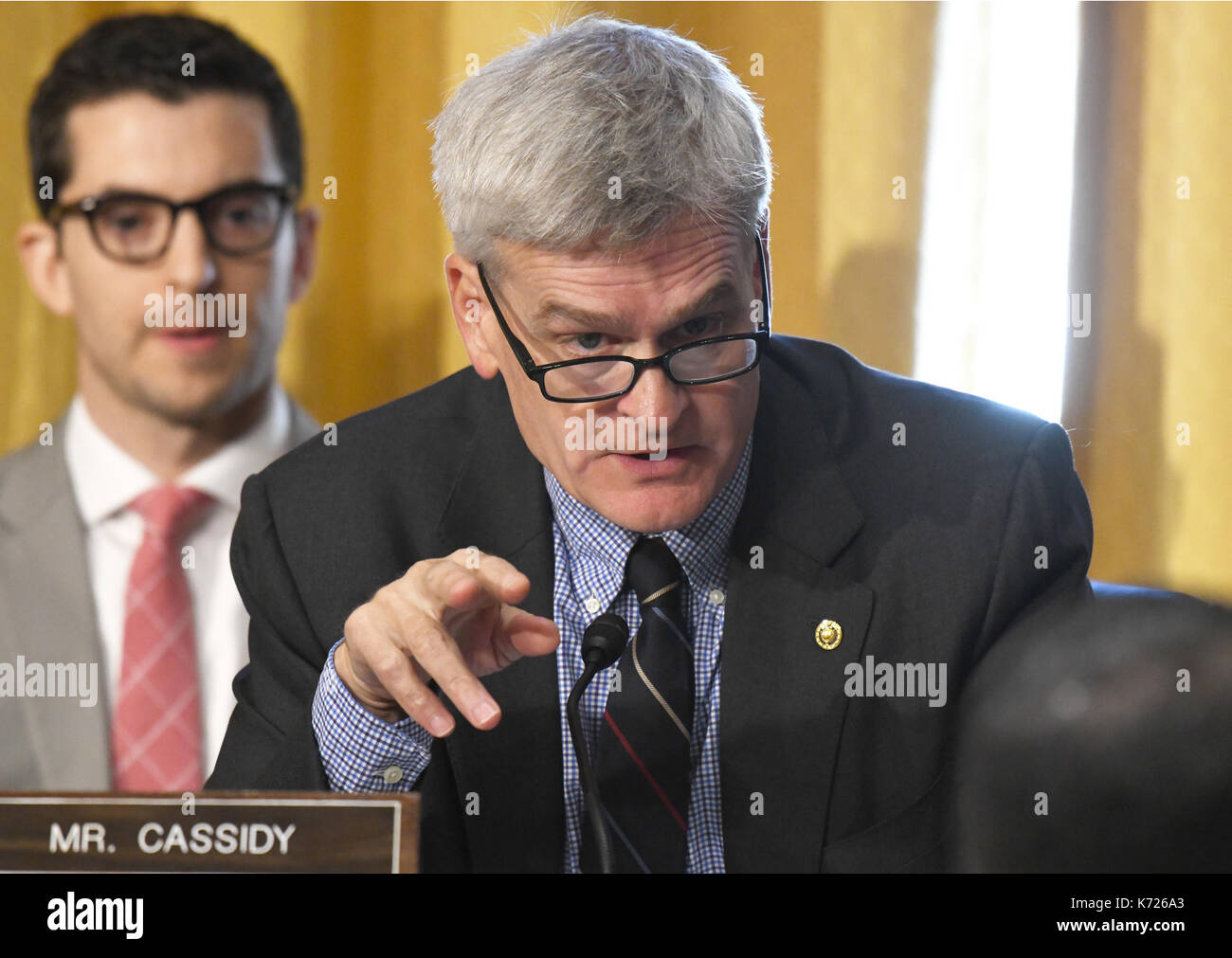
In a result that underscores the enduring and potent influence of Donald Trump over the Republican electorate, Senator Bill Cassidy has lost his primary bid for reelection in Louisiana. The outcome, projected by major news outlets including CNN, marks a significant turning point for the Louisiana GOP and serves as a stark reminder of the political costs associated with breaking ranks with the former president.
The defeat of Senator Cassidy is not merely a local electoral loss but a symbolic victory for the wing of the party that demands absolute loyalty to Donald Trump. For years, the tension between institutionalist Republicans and the MAGA movement has simmered within the halls of Congress, but the 2026 Louisiana Senate Primary has brought that conflict to a definitive, and for Cassidy, terminal, conclusion. The narrative surrounding the race has been dominated by a single, pivotal decision: Cassidy’s vote to convict Donald Trump during his second impeachment trial.
As the results solidify, the political landscape of the American South appears to be shifting further toward a model where primary viability is inextricably linked to the approval of the former president. The “vanquishing” of Cassidy is the latest chapter in a broader trend of purging GOP figures who are perceived as insufficiently loyal or too willing to compromise with political opponents.
The Mechanics of the Defeat: What Happened in Louisiana
The 2026 Louisiana Senate Primary was characterized by an intense focus on ideological purity and personal loyalty. While Senator Bill Cassidy attempted to campaign on his legislative record and his service to the state, the opposition successfully framed the contest as a referendum on his relationship with Donald Trump.
The primary results indicate that the Republican base in Louisiana prioritized the “loyalty test” over the advantages of incumbency. Despite his position and the resources typically available to a sitting senator, Cassidy was unable to overcome the stigma attached to his vote in the second impeachment trial. This specific act of defiance against the former president became the central pillar of the campaign against him, effectively alienating a critical segment of the primary electorate.
| Key Event | Detail |
|---|---|
| Candidate | Senator Bill Cassidy (Republican) |
| Outcome | Lost Primary Reelection Bid |
| Primary Driver | Vote to convict Donald Trump in second impeachment |
| Key Influence | Donald Trump’s influence over GOP primary voters |
| Projection Source | CNN and other major news outlets |
The Role of the “Loyalty Test”
In modern Republican primaries, the “loyalty test” has evolved from a preference into a requirement. For Senator Cassidy, the act of voting to convict Donald Trump was viewed by many in his constituency not as a matter of constitutional principle, but as a betrayal of the party’s leader. This perception created a ceiling for his support that no amount of constituent service or policy success could break.
The campaign against Cassidy utilized this narrative to paint him as an “establishment” figure—a term that has become shorthand for “untrustworthy” or “compromised” within current GOP primary circles. By focusing on the impeachment vote, opponents were able to mobilize a highly motivated base of Trump supporters who viewed the removal of Cassidy as a necessary step in purifying the party’s representation in Washington.
The Catalyst: The Impeachment Vote and Its Long Shadow
To understand why Cassidy loses his primary in Louisiana, as Trump vanquishes another G.O.P. Foe, one must look back to the second impeachment trial of Donald Trump. While many Republicans voted to acquit, Bill Cassidy was among the tiny group of GOP senators who voted to convict. At the time, this was framed as a principled stand regarding the events of January 6th and the stability of democratic institutions.
However, in the eyes of the MAGA movement, this vote was an unforgivable transgression. The time elapsed between the vote and the 2026 primary did not diminish the grievance; if anything, it allowed the narrative of “betrayal” to harden. The primary campaign became a delayed reckoning for that vote, proving that the memory of the Republican base is long and its demands for loyalty are uncompromising.
“The political cost of crossing Donald Trump continues to be the defining risk for Republican incumbents in the current era.”
Institutionalism vs. Populism
Cassidy’s loss represents a broader clash between two different philosophies of governance within the Republican Party:

- The Institutionalist Approach: Prioritizes the norms of the Senate, bipartisan negotiation, and a separation between the party’s identity and the identity of a single leader.
- The Populist Approach: Prioritizes the will of the base, absolute loyalty to the movement’s figurehead, and a willingness to disrupt institutional norms to achieve ideological goals.
The Louisiana primary results suggest that the populist approach has not only won but has become the dominant force in determining who is allowed to represent the GOP in the Senate. The “institutionalist” model, which Cassidy embodied, is increasingly viewed as a liability in a primary setting.
The “Trump Effect” and the Purging of the G.O.P.
The defeat of Bill Cassidy is not an isolated incident but part of a strategic pattern. Donald Trump has consistently used his platform to signal which candidates are “acceptable” and which are “foes.” By targeting incumbents who have diverged from his positions, Trump has effectively reshaped the GOP from the top down.
The term “vanquished” is appropriate here because the loss was not merely a result of a better opponent’s platform, but a result of the gravitational pull of Trump’s endorsement—or lack thereof. In many ways, the primary was not a contest between two candidates, but a contest between a candidate and the shadow of the former president.
The Strategy of Primary Challenges
The strategy employed to oust Cassidy follows a familiar playbook:
- Identify the Deviation: Pinpoint a specific vote or statement that contradicts Trump’s narrative (e.g., the impeachment vote).
- Label the Candidate: Use terms like “RINO” (Republican In Name Only) or “establishment” to decouple the candidate from the base.
- Mobilize the Base: Use social media and rallies to frame the primary as a battle for the soul of the party.
- Secure the Endorsement: Obtain a clear signal of disapproval or a direct endorsement of a challenger from Donald Trump.
This process ensures that the remaining members of the GOP are those who are most aligned with Trump’s vision, thereby reducing internal friction within the party but also narrowing the ideological spectrum of its representatives.
Impact on Louisiana Politics and the 2026 Cycle
Louisiana has long been a stronghold of conservatism, but the nature of that conservatism is evolving. The ousting of a sitting senator indicates that the state’s GOP is moving away from the traditional “country club” or “chamber of commerce” Republicanism toward a more aggressive, populist brand of politics.
For the voters of Louisiana, this shift means that future candidates will likely be more focused on national cultural battles and loyalty to the Trump movement than on the traditional legislative priorities that Cassidy championed. The result of this primary ensures that the next representative from Louisiana will be someone who is fully integrated into the MAGA ecosystem.
Short-Term and Long-Term Consequences
The immediate consequence is the loss of a seasoned legislator with significant seniority in the Senate. In the long term, however, the implications are more systemic:
- Legislative Shift: The replacement of an institutionalist with a loyalist may change how Louisiana’s interests are negotiated in Washington, potentially moving away from bipartisan cooperation.
- Deterrence Effect: Other GOP senators who have clashed with Trump may be more inclined to align their public stances with the former president to avoid a similar fate in their own primaries.
- Party Unity: While the purge creates short-term volatility, it results in a more unified—albeit more narrow—party heading into general elections.
For those interested in how this fits into the broader national trend, a related explainer on the evolution of GOP primary dynamics would provide further context on similar battles in other red states.
Common Misconceptions About the Cassidy Primary
In the wake of the news that Cassidy loses his primary in Louisiana, several oversimplifications have emerged in public discourse. It is important to clarify these points to understand the nuance of the event.
Misconception 1: Cassidy lost because of poor policy positions.
While policy always plays a role, the data and the narrative of the race suggest that this was not a referendum on Cassidy’s views on taxes, healthcare, or energy. Instead, it was a referendum on his loyalty. Many of his policy positions were well within the Republican mainstream; it was his action regarding the impeachment trial that proved fatal.
Misconception 2: This is a sign of the GOP splitting in two.
Rather than a split, this is more accurately described as a consolidation. The “institutionalist” wing is not forming a separate party; it is being absorbed or eliminated. The GOP is not dividing; it is narrowing its definition of who constitutes a “true” Republican.
Misconception 3: The result was a surprise to political insiders.
While the finality of a projection from CNN can feel sudden, the vulnerability of Senator Cassidy had been evident for years. The “Trump effect” in Louisiana had been building since 2020, and the alignment of the base against Cassidy was a predictable outcome of the party’s current trajectory.
Broader Implications for the American Political System
The removal of Bill Cassidy is a case study in the changing nature of political accountability. Traditionally, incumbents are judged by their ability to bring resources to their state and their effectiveness in governing. However, the 2026 Louisiana primary suggests that ideological alignment with a party leader has superseded governing efficacy as the primary metric of success in GOP primaries.
This shift has profound implications for the functioning of the U.S. Senate. The Senate was designed to be a deliberative body where members could exercise independent judgment. When the cost of that independence is a primary defeat orchestrated by a single political figure, the incentive for independent deliberation vanishes.
We are seeing a transition from a “representative” model of politics—where a senator represents the interests of their state—to a “delegate” model, where the senator acts as a proxy for the movement’s leader. This transformation alters the balance of power within the federal government, shifting it away from legislative independence and toward centralized party control.
Frequently Asked Questions
Why did Bill Cassidy lose his primary in Louisiana?
The primary reason for Senator Bill Cassidy’s loss was his vote to convict Donald Trump during the second impeachment trial. This action was viewed as a betrayal by a significant portion of the Republican base, which prioritized loyalty to the former president over Cassidy’s legislative record.
What does “Trump vanquishes another G.O.P. Foe” mean in this context?
This phrasing refers to Donald Trump’s ability to influence primary elections to remove Republican incumbents who have disagreed with him. By signaling disapproval or supporting challengers, Trump has successfully ousted several party members who did not align with his views or loyalty requirements.
Who projected the results of the Louisiana Senate Primary?
Major news organizations, including CNN, projected that Bill Cassidy had lost his reelection bid in the Louisiana primary.
Was the 2026 Louisiana primary about policy or personality?
While policy is always a factor, this specific primary was overwhelmingly about personality and loyalty. The central issue was not a specific piece of legislation, but rather Senator Cassidy’s relationship with and actions toward Donald Trump.
What happens to the Senate seat now?
Since Cassidy lost the primary, the winner of the Republican primary will move forward to the general election. Given Louisiana’s political leanings, the primary winner is widely expected to be the eventual senator, ensuring that the seat is held by a candidate more closely aligned with the MAGA movement.
The fall of Senator Cassidy serves as a definitive marker for the 2026 election cycle. It confirms that in the current Republican landscape, the path to victory runs directly through the approval of Donald Trump. For those who choose to walk a different path, the Louisiana primary provides a cautionary tale of the risks involved in prioritizing institutional norms over movement loyalty.
